Building Human Capacity for a Digital Civilization
Digital transformation is not merely about digital infrastructure. It is about human infrastructure—the capacity of individuals, institutions, and communities to learn, adapt, collaborate, and innovate in a rapidly changing world.
Beyond Digital Literacy
When people hear the phrase “digital transformation,” they often think of technology: computers, applications, Artificial Intelligence, data, and automation. But societies are not transformed by technology alone.
They are transformed by people who know how to use technology responsibly. Rather than treating digital literacy as an isolated intervention, the Digital Society Ecosystem developed by Klinik Digital spans education, communication, governance, health, disaster resilience, environmental sustainability, Artificial Intelligence, cybersecurity, and community empowerment.
How Transformation Happens
Everything we do follows this continuous pathway of change:
Identifying societal needs, emerging technologies, and communication challenges.
Producing evidence-based research, books, modules, and conceptual frameworks.
Translating knowledge into accessible education, workshops, and public resources.
Building skills, digital literacy, and critical thinking across all generations.
Fostering safer, more critical digital behavior and empowered communities.
Strengthening governance transparency and achieving long-term societal wellbeing.
Eight Strategic Pillars
The ecosystem operates through eight interconnected domains that together form a comprehensive approach to digital transformation:
1. Digital Literacy
Empowering citizens with skills to navigate the digital world safely, critically, and productively.
2. AI & Emerging Tech
Ensuring Artificial Intelligence is understood, governed ethically, and used for societal benefit.
3. Information Integrity
Promoting fact-based dialogue, media literacy, and resilience against mis- and disinformation.
4. Digital Wellbeing
Addressing mental health, screen habits, cyberbullying, and healthy relationships with technology.
5. Public Good Comm
Using strategic communication to advance health, environmental awareness, and disaster response.
6. Digital Inclusion
Bridging divides across generations, geographies, indigenous languages, and socioeconomic groups.
7. Knowledge & Innovation
Conducting research, publishing open resources, and translating insights into policy and action.
8. Collective Impact
Connecting academia, government, industry, civil society, and international organizations.
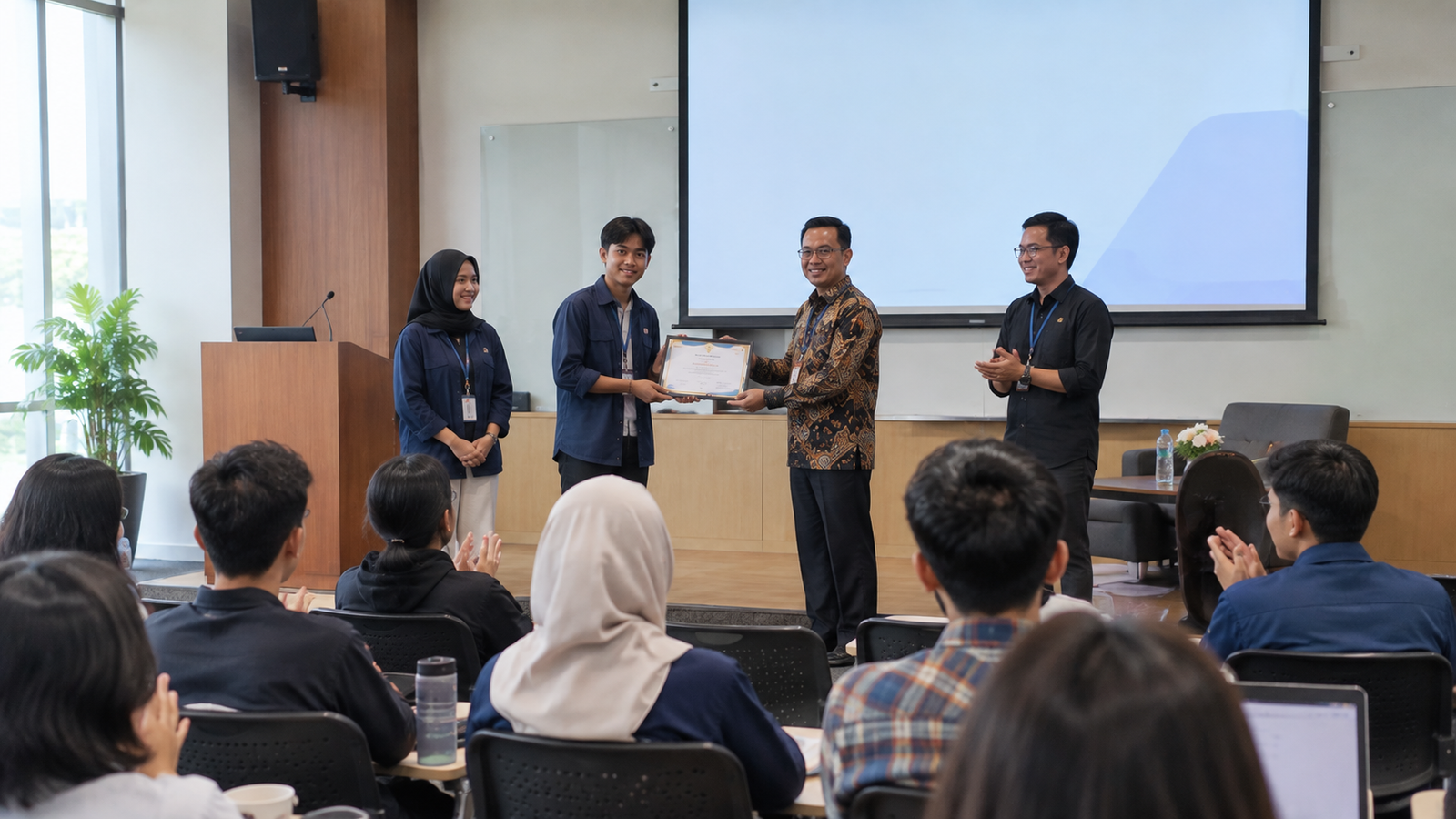
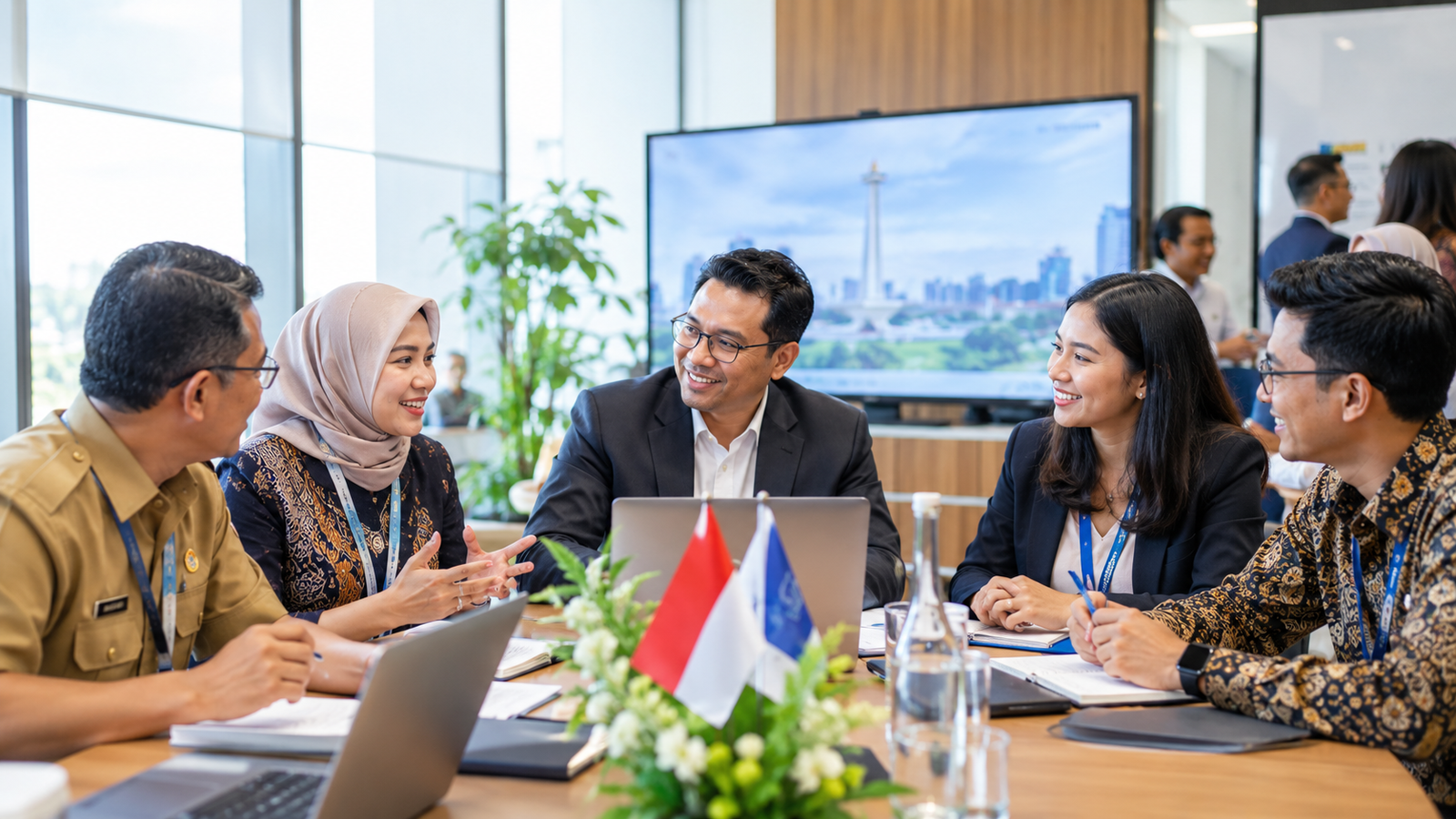
Projects in Action: Field Documentation & Initiative Gallery
Authentic snapshots of applied research, literacy training, and civic advocacy across academic institutions, national forums, and community grassroots:

Knowledge Lab: Publications Separated by Module Series
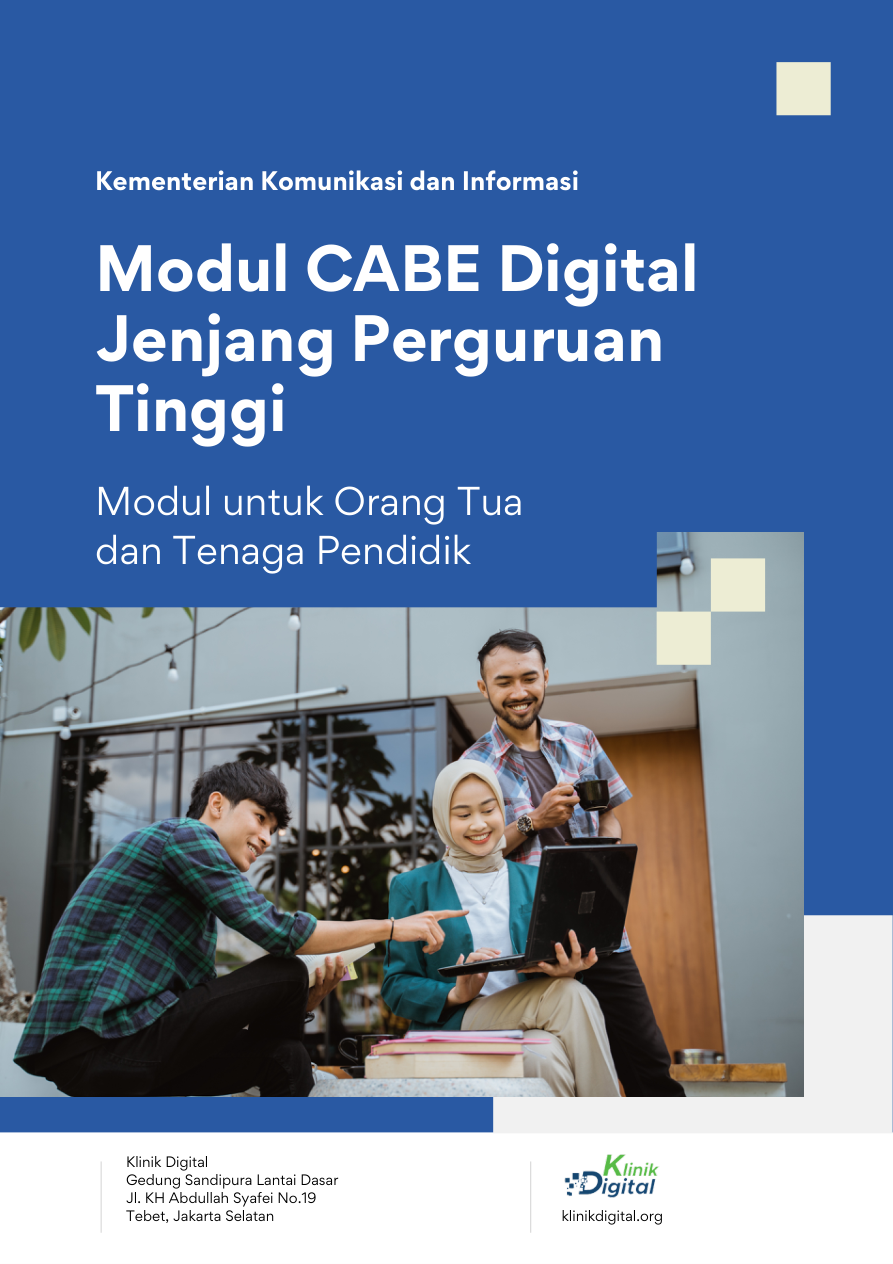
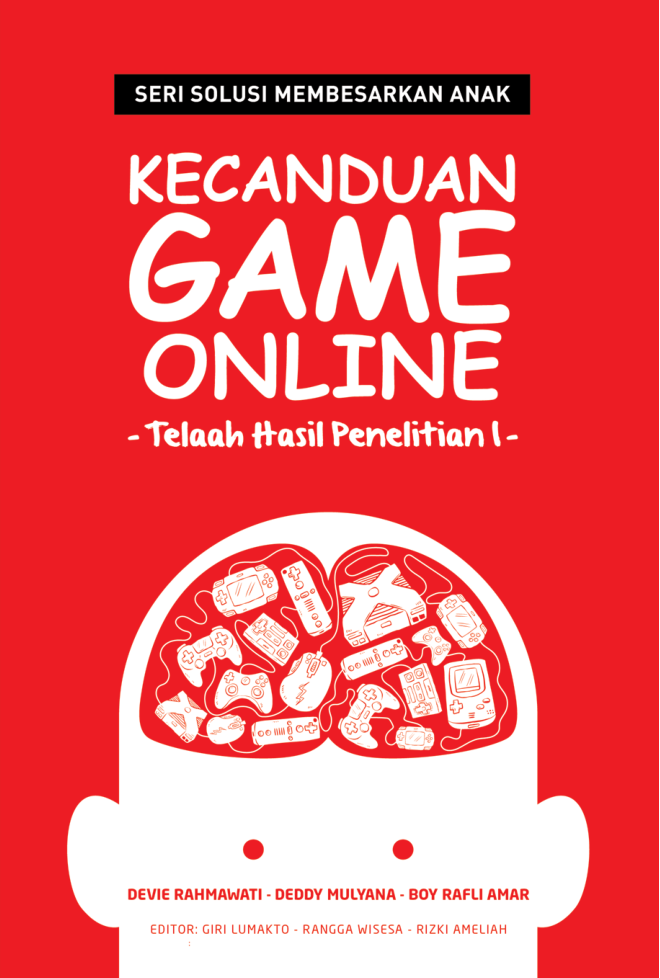
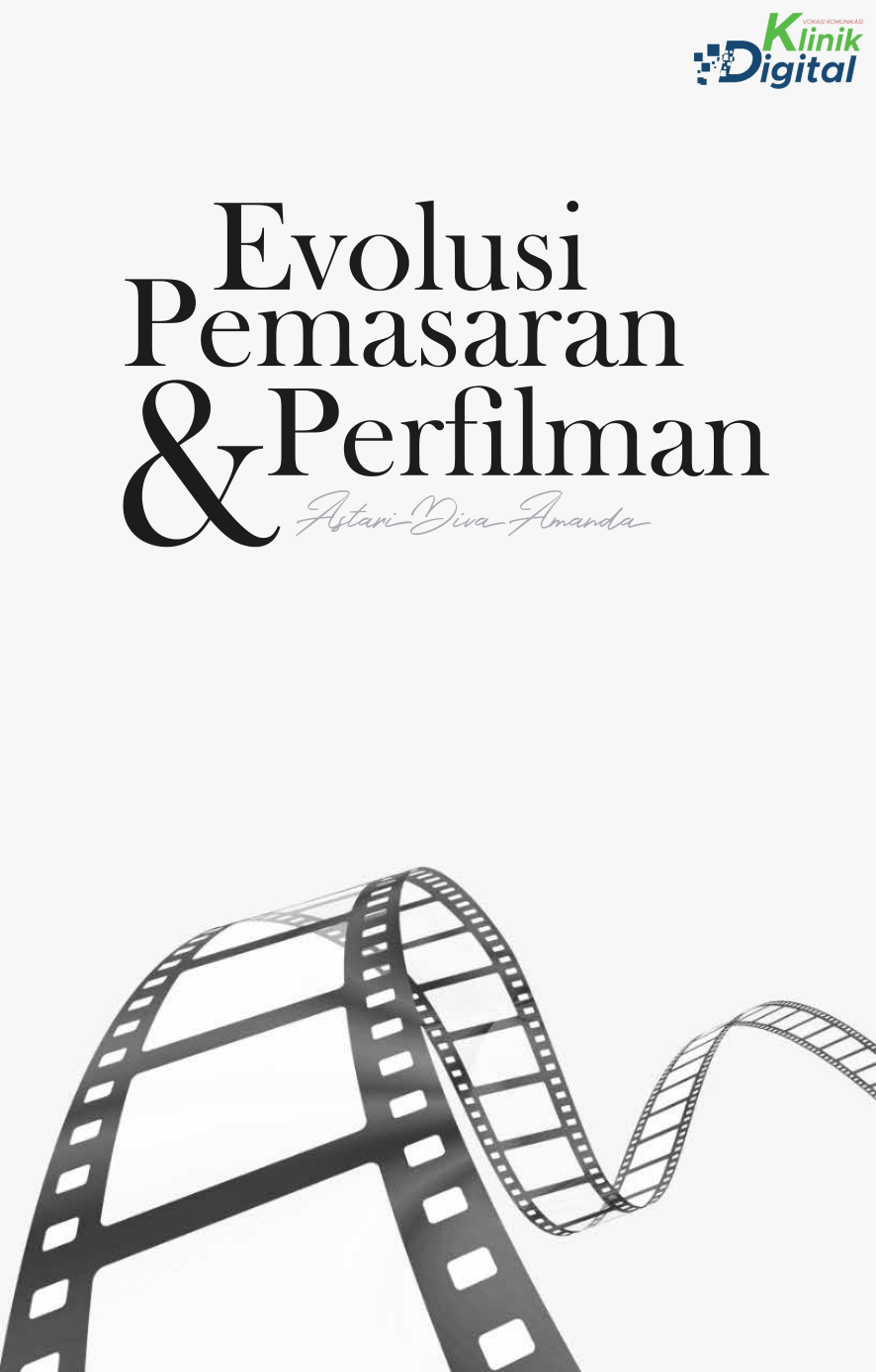
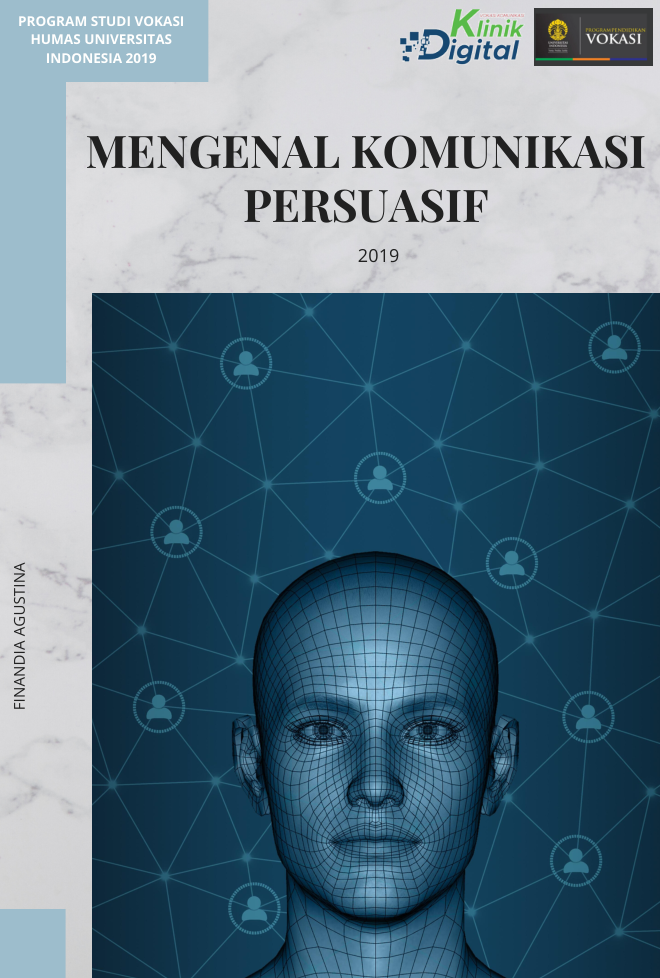
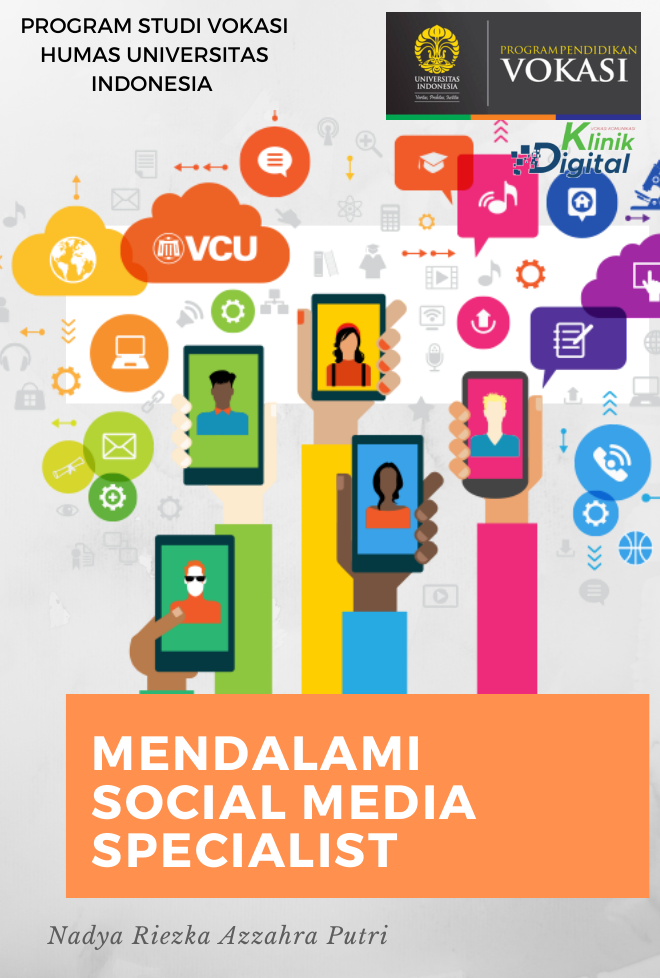
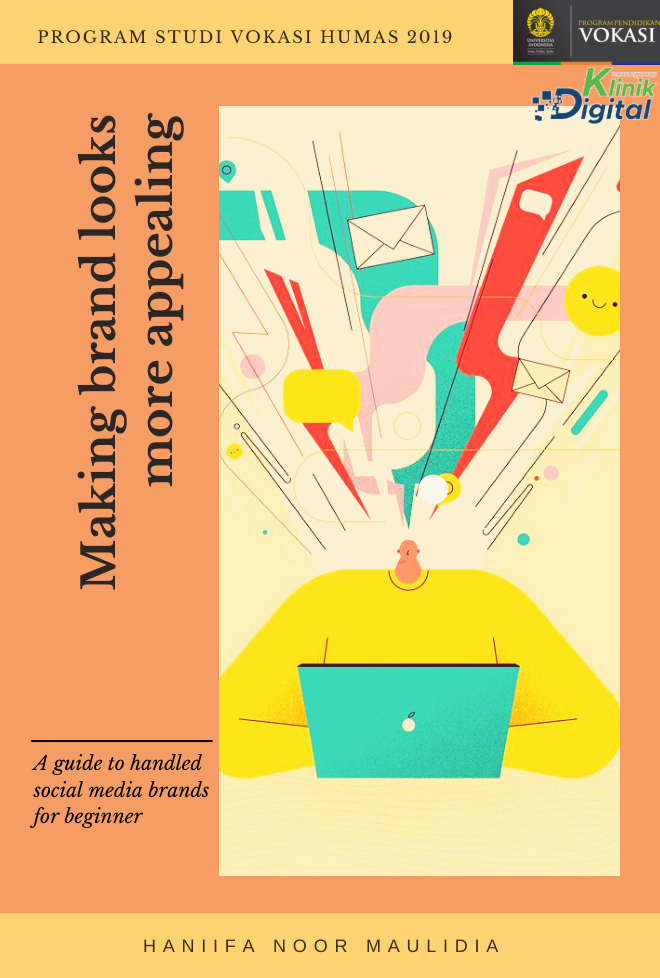
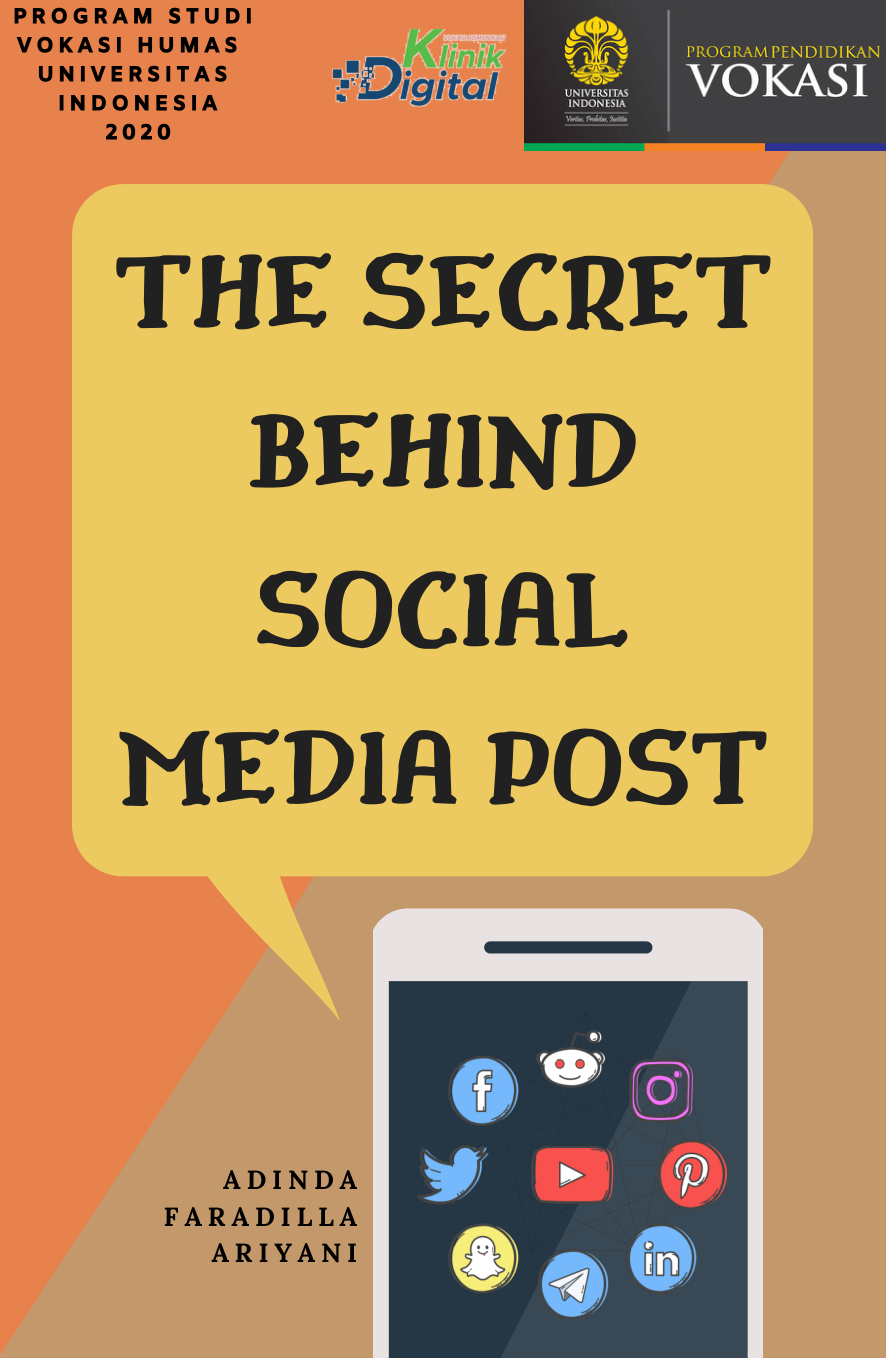
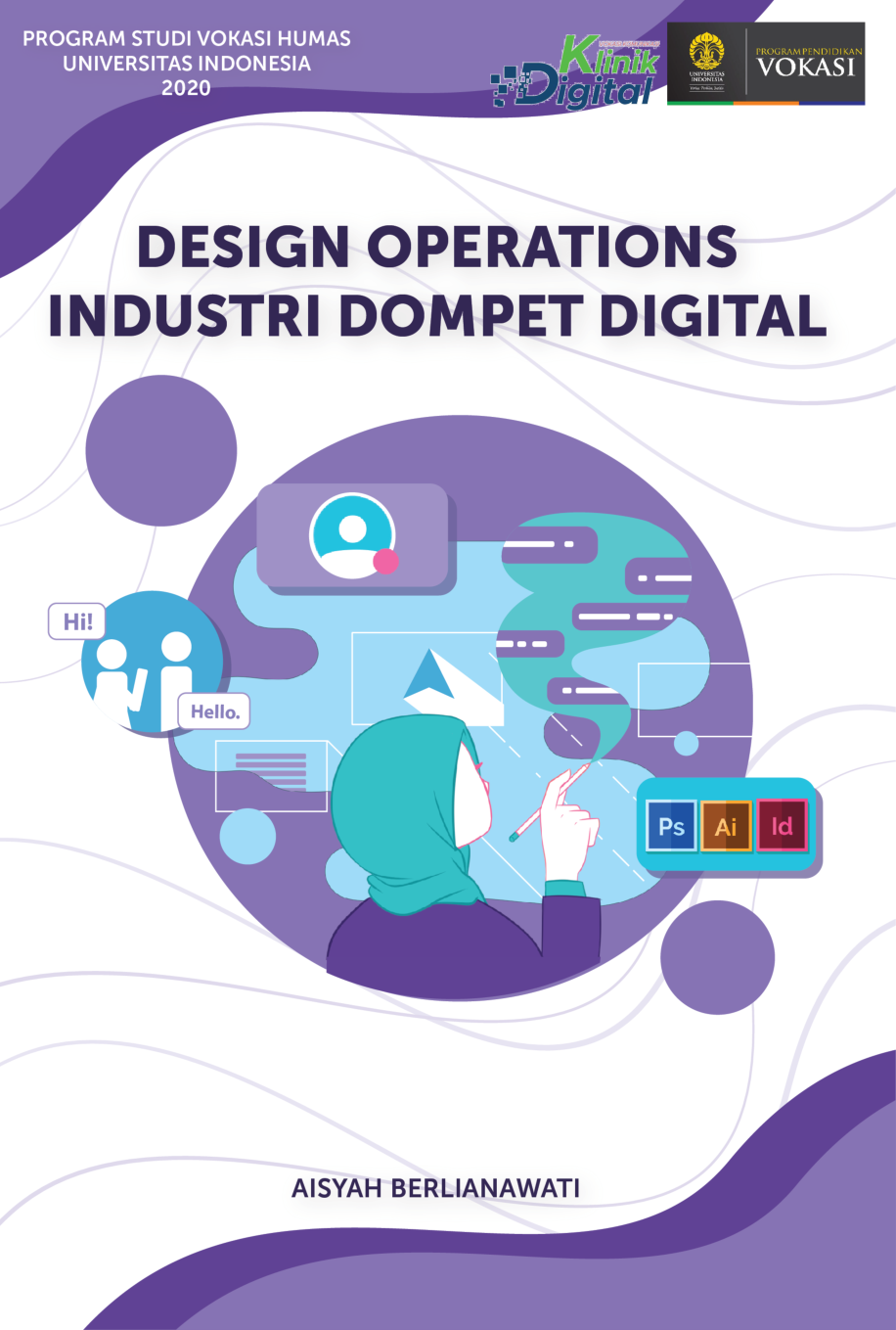
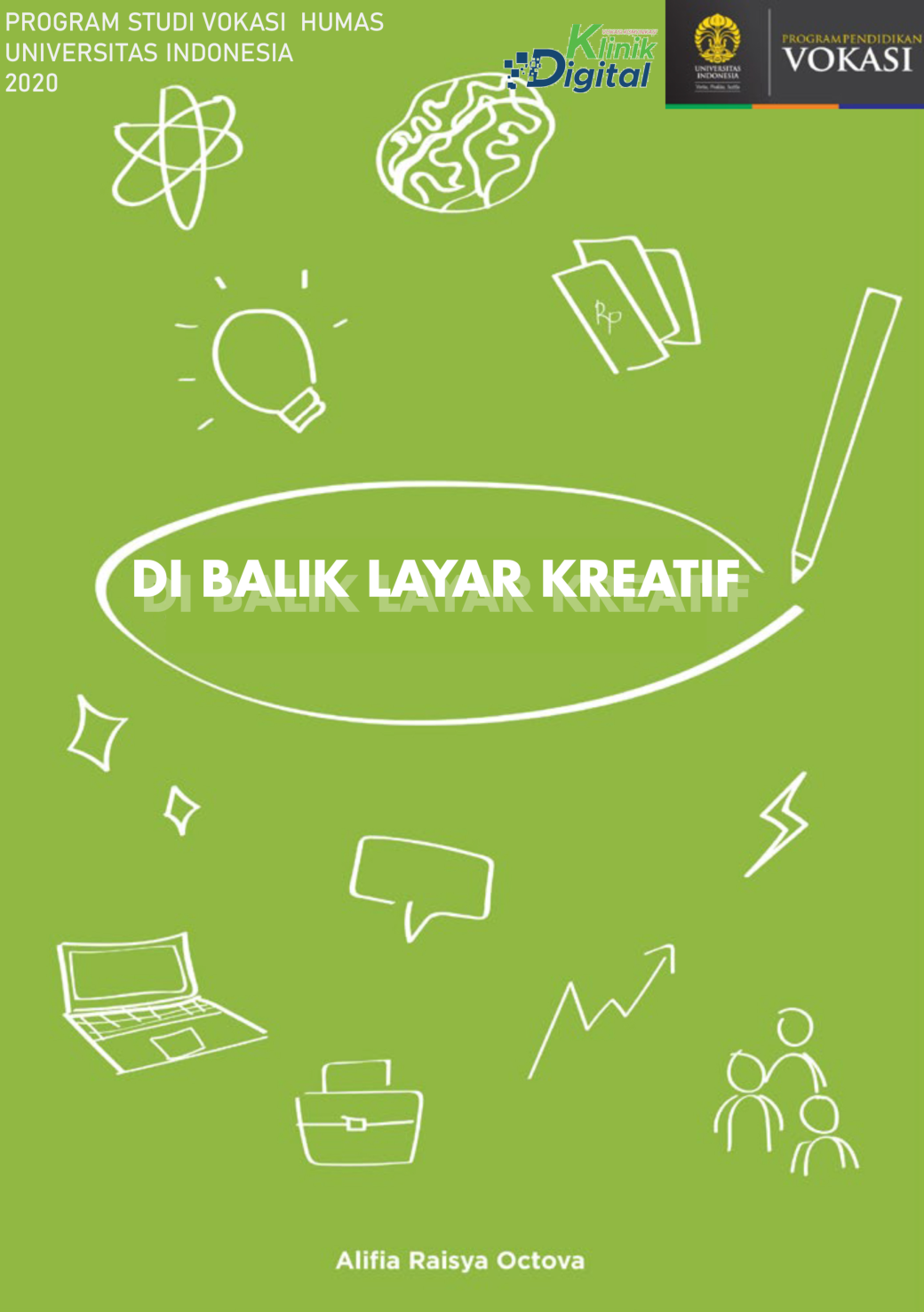
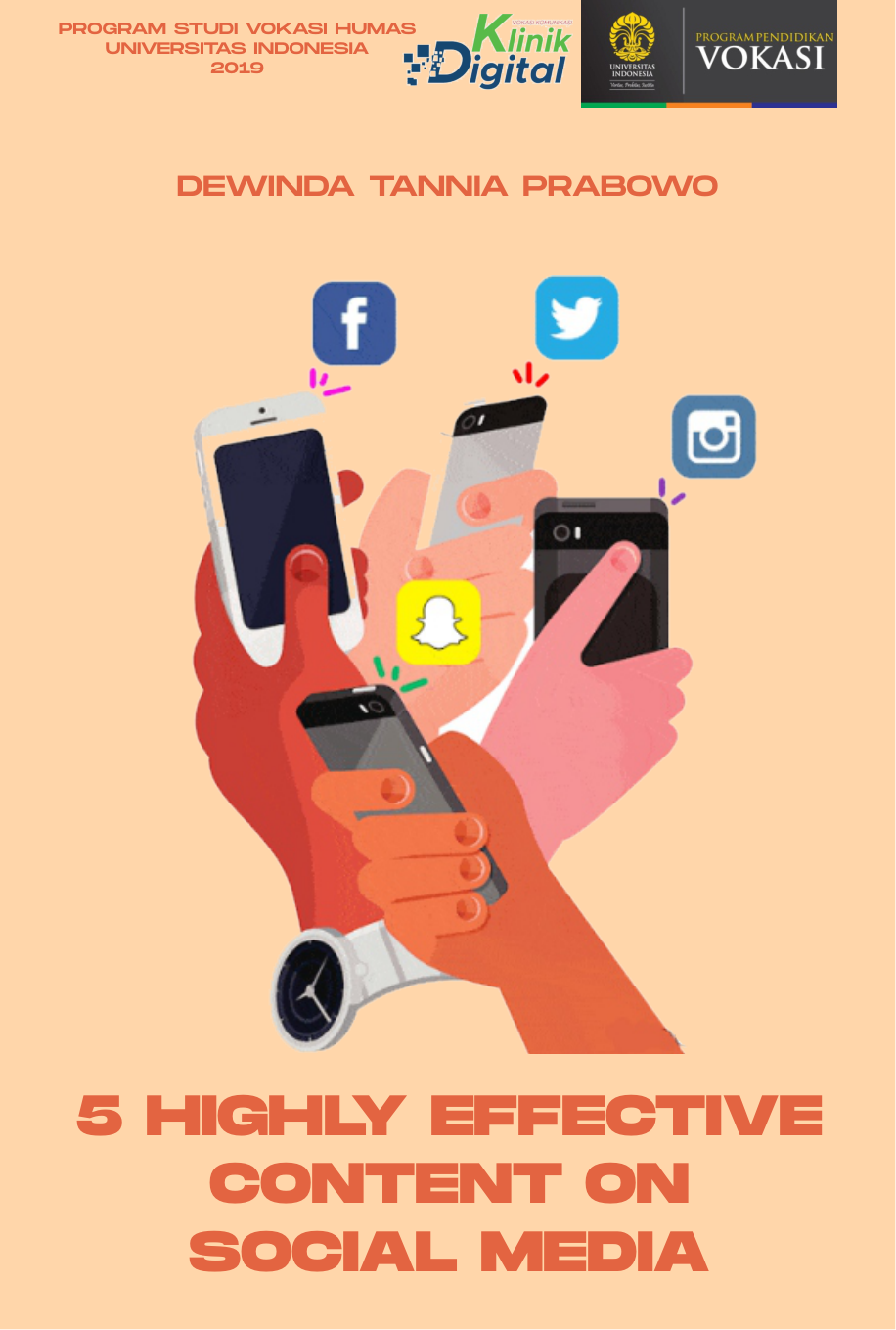
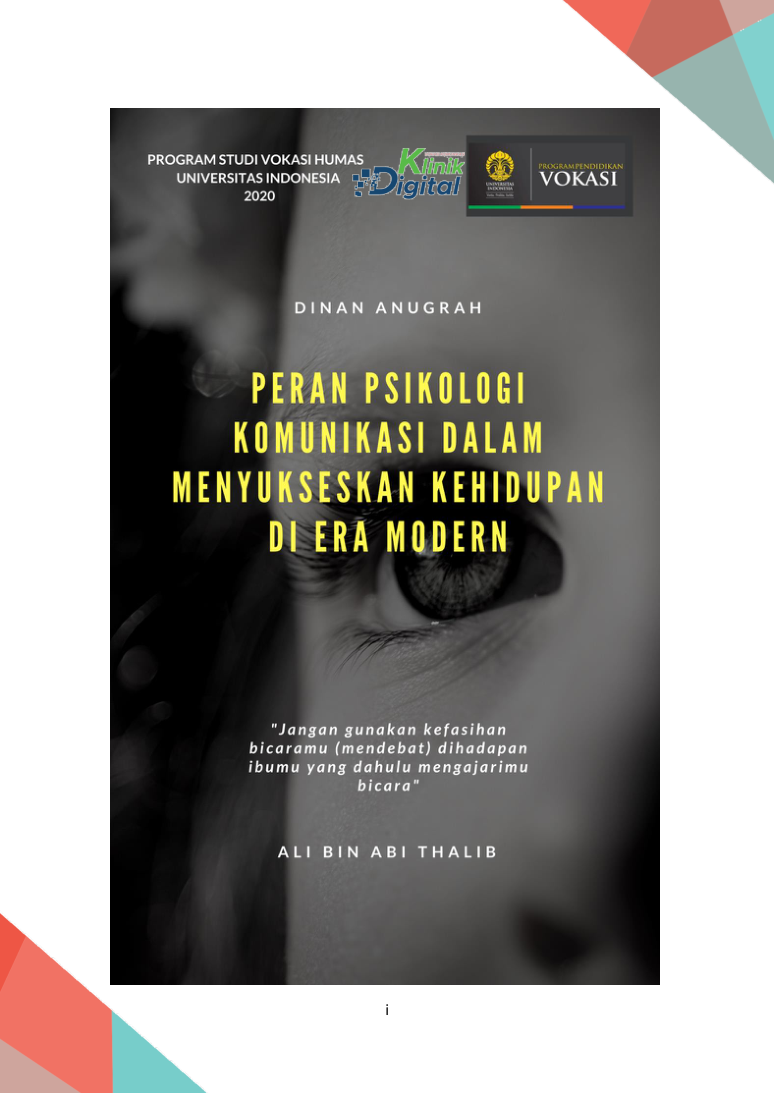
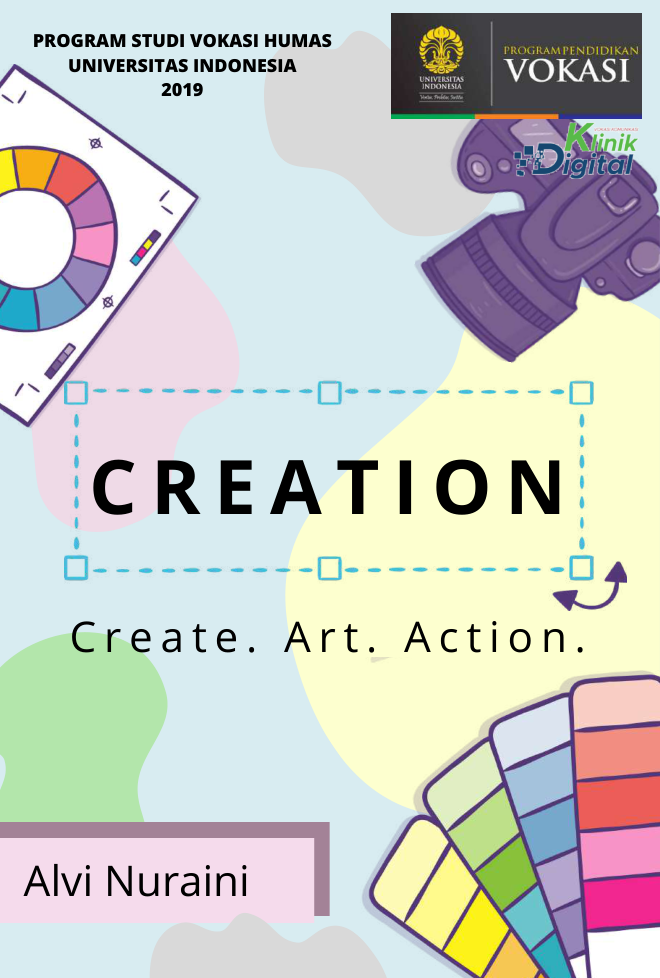
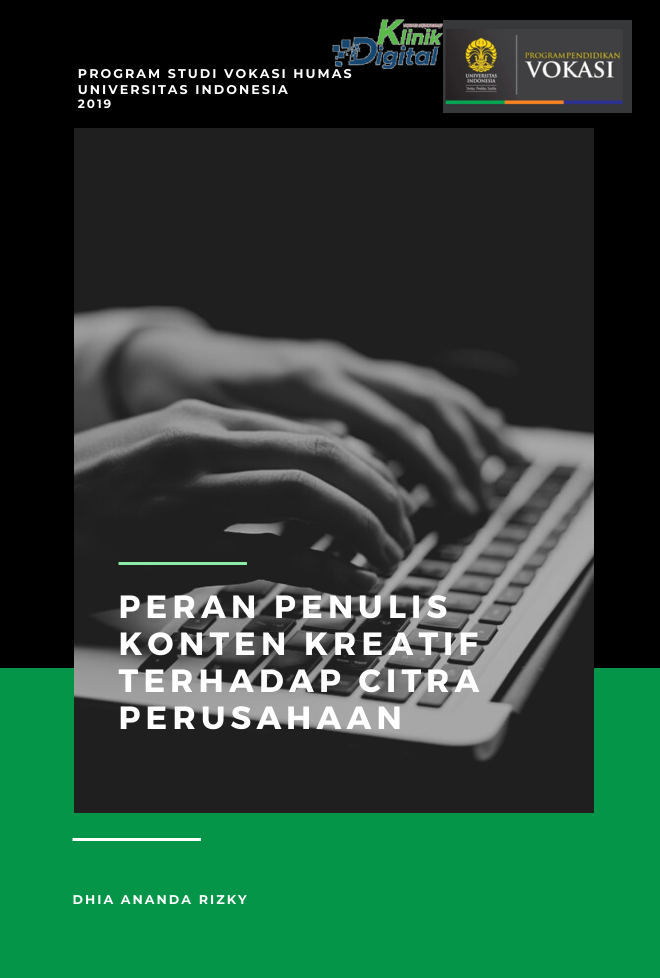
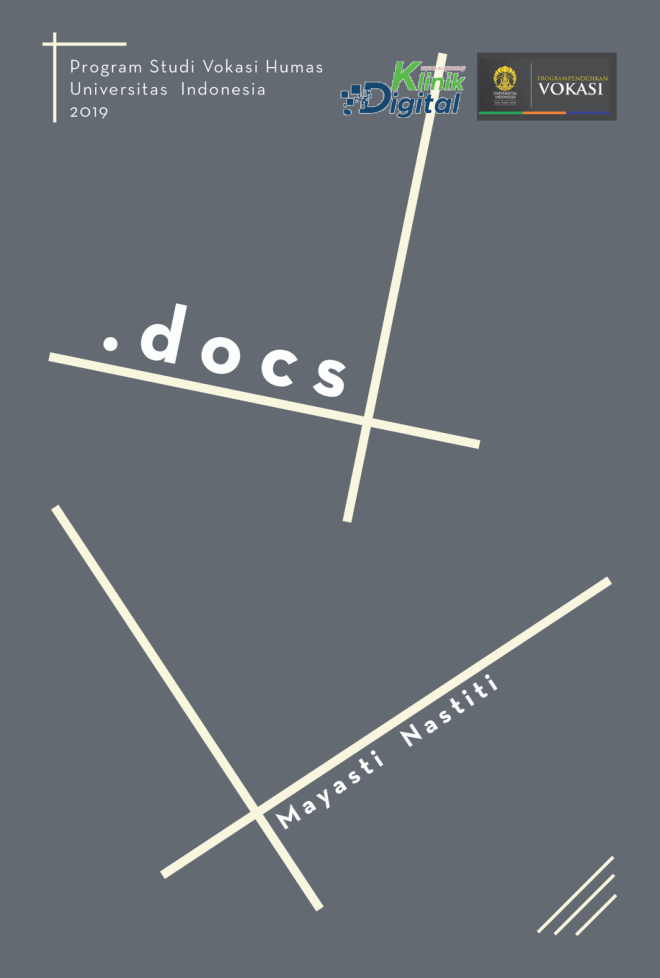
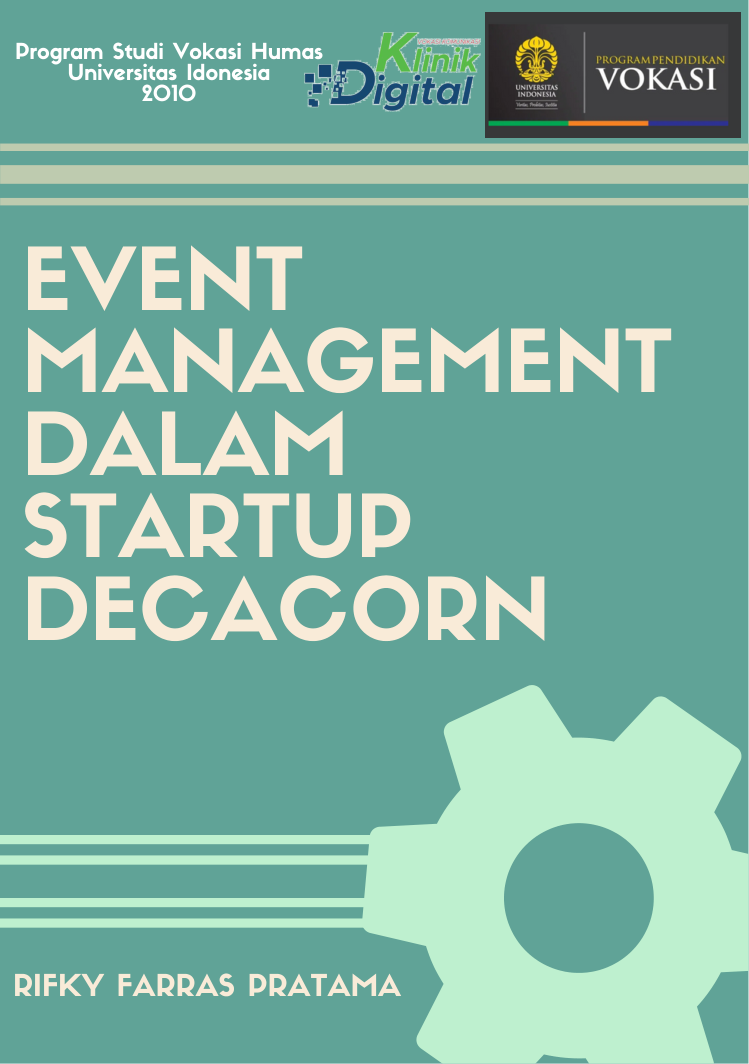
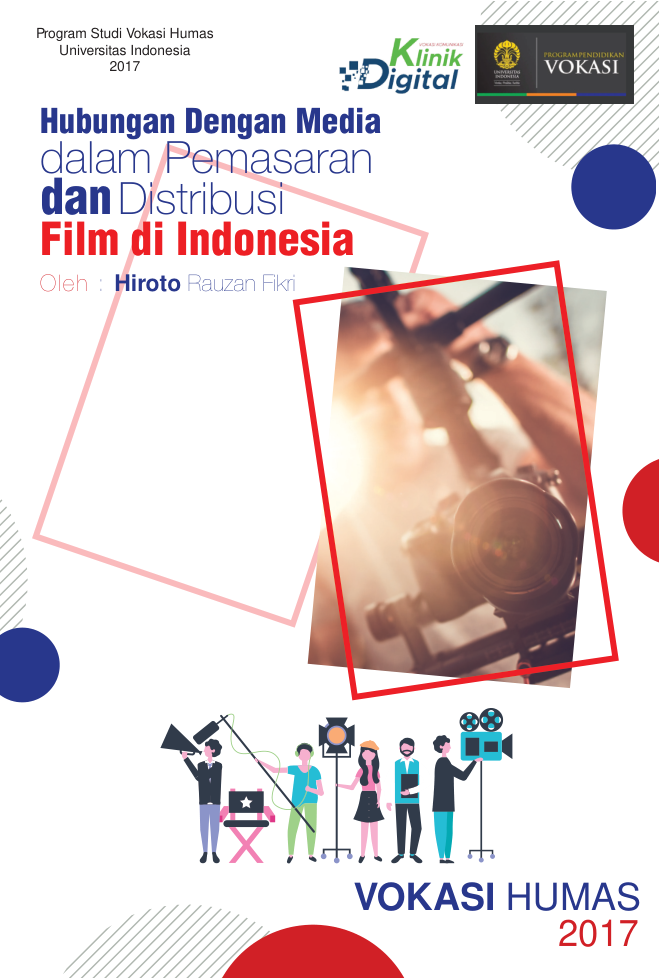
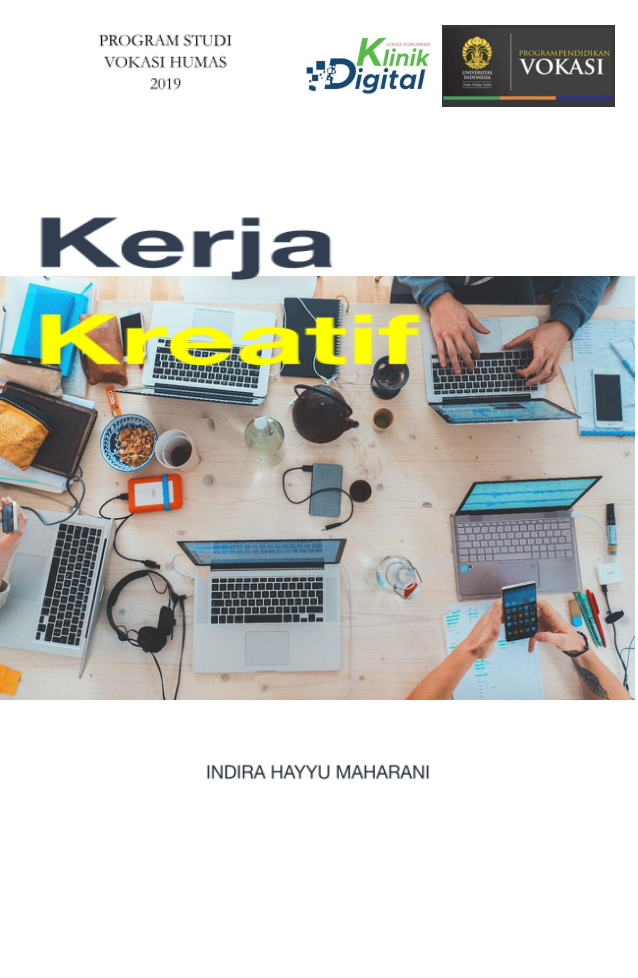
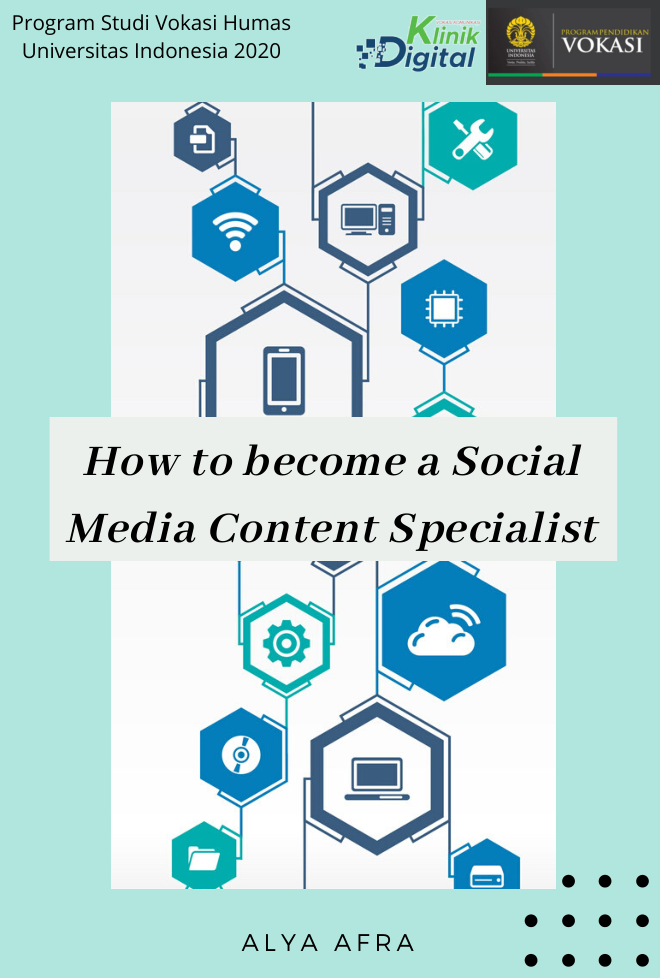
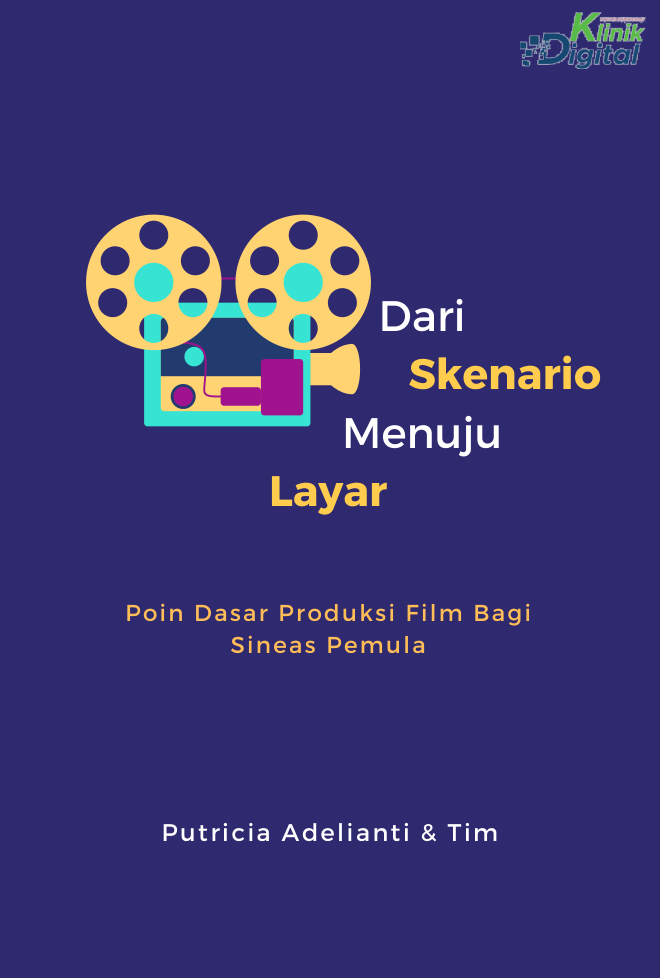
Browse our complete collection of 104 publications, categorized cleanly by educational module series. Every publication includes its authentic rendered cover and is freely downloadable.
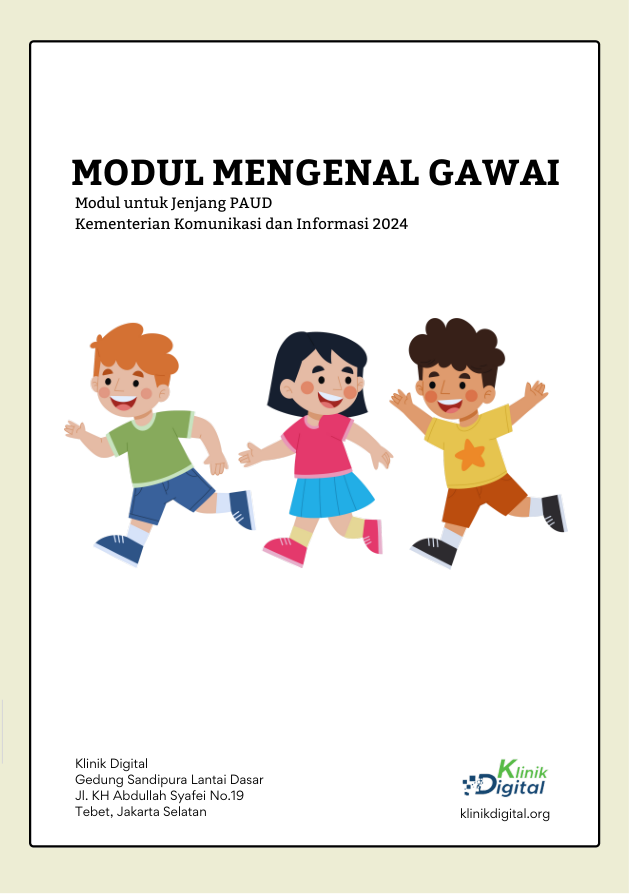
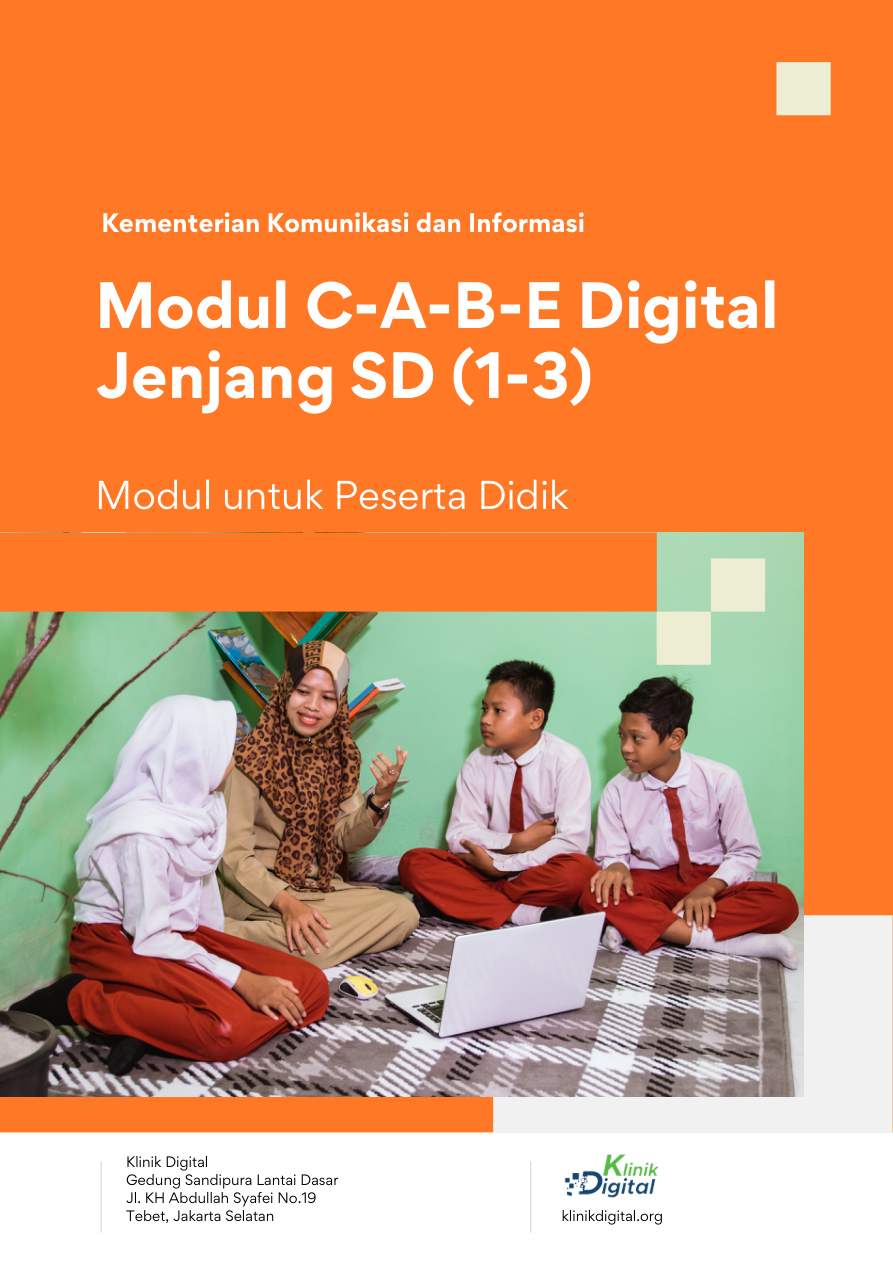
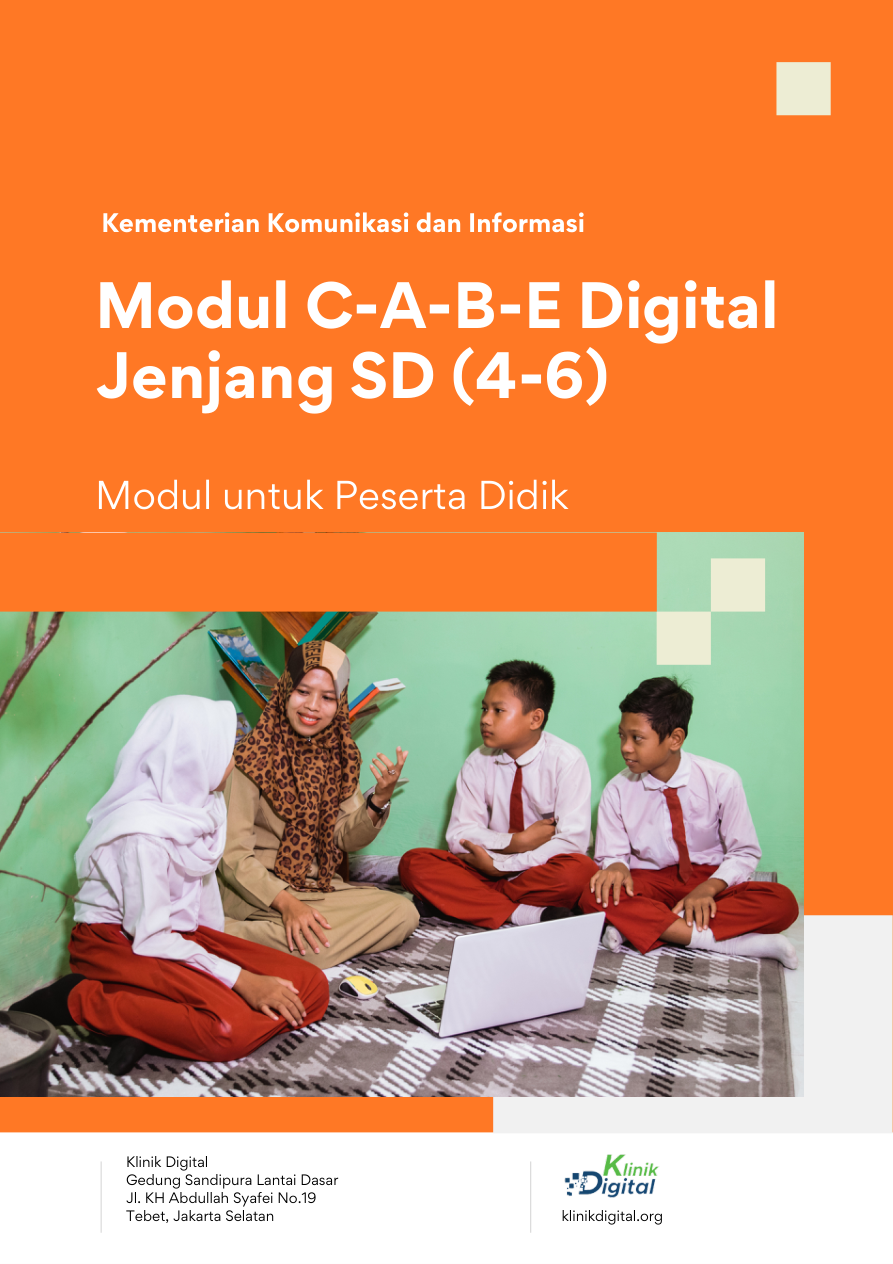
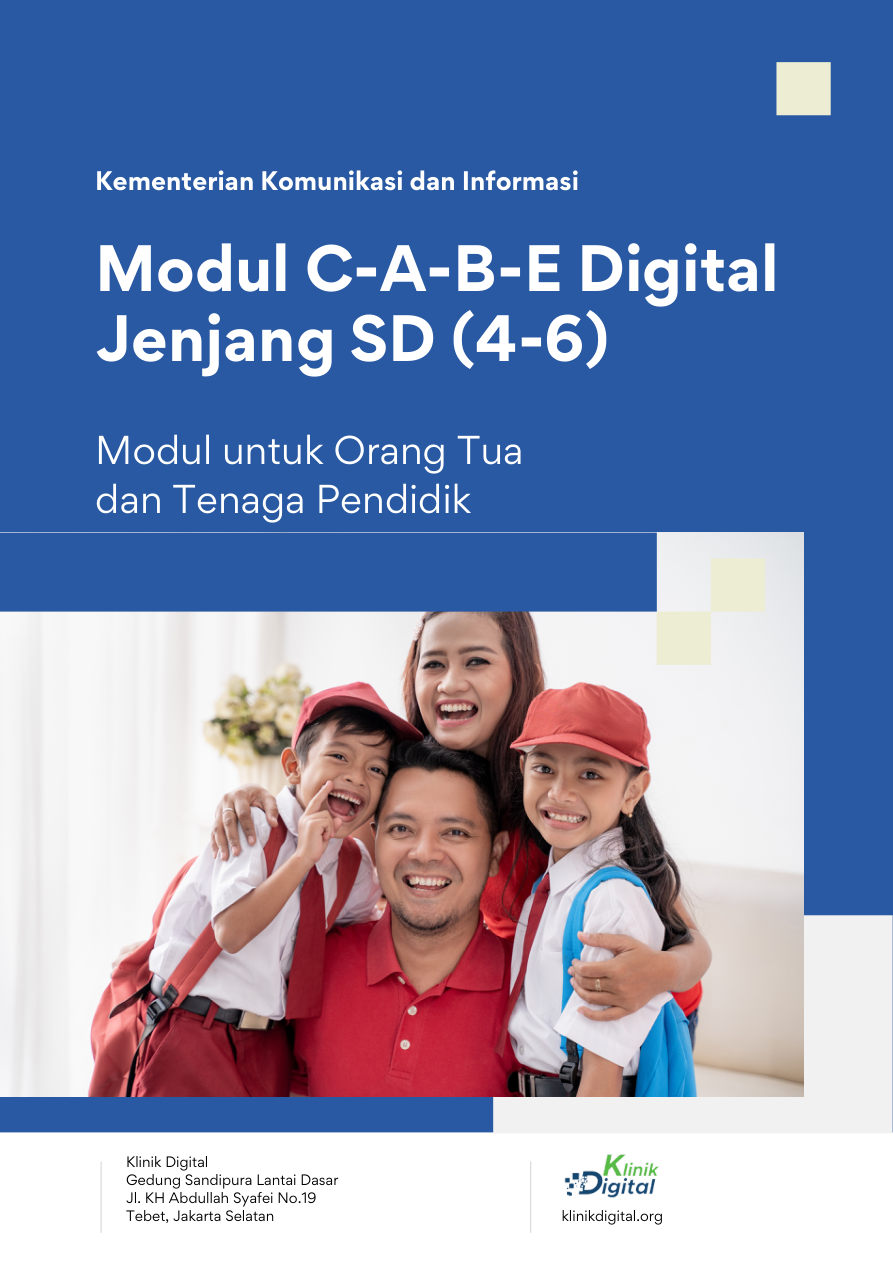
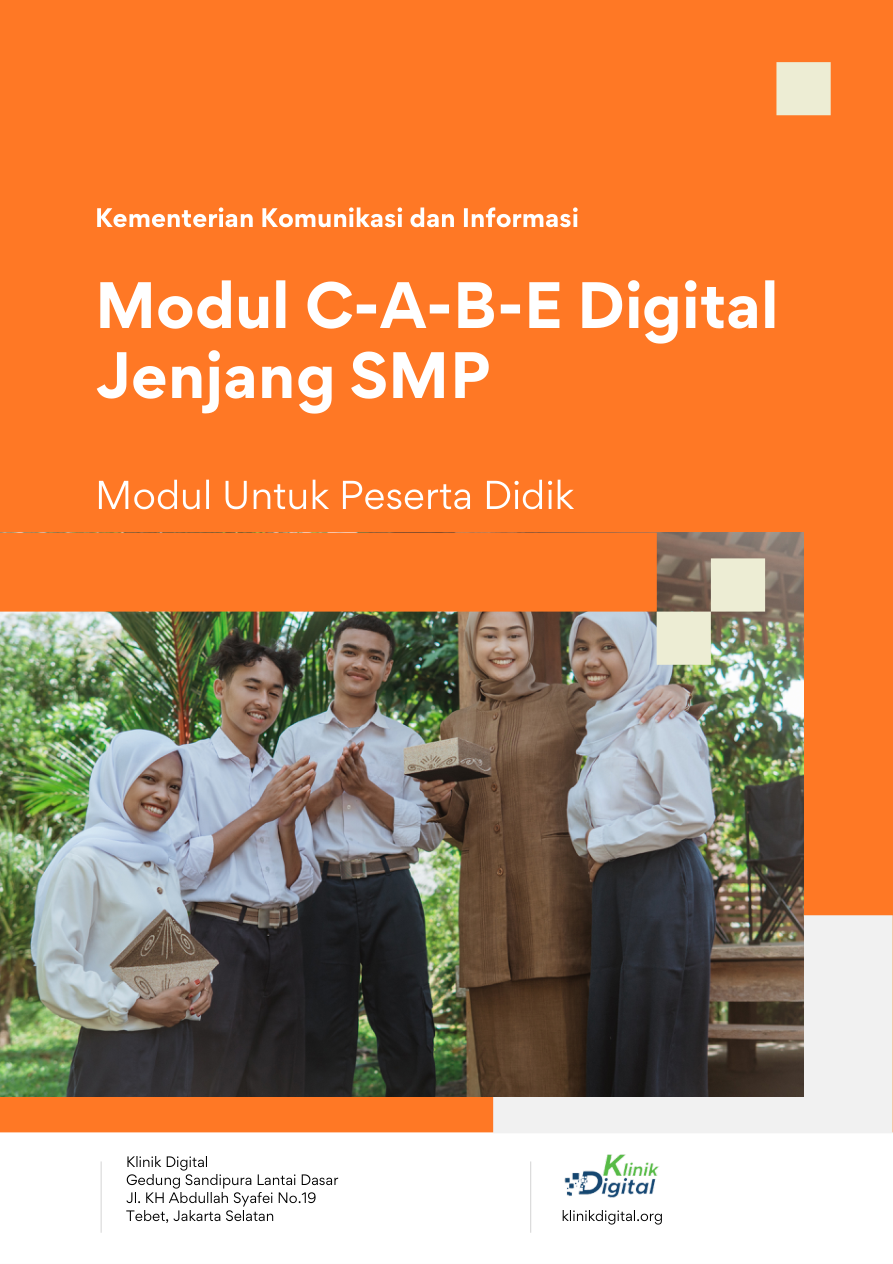
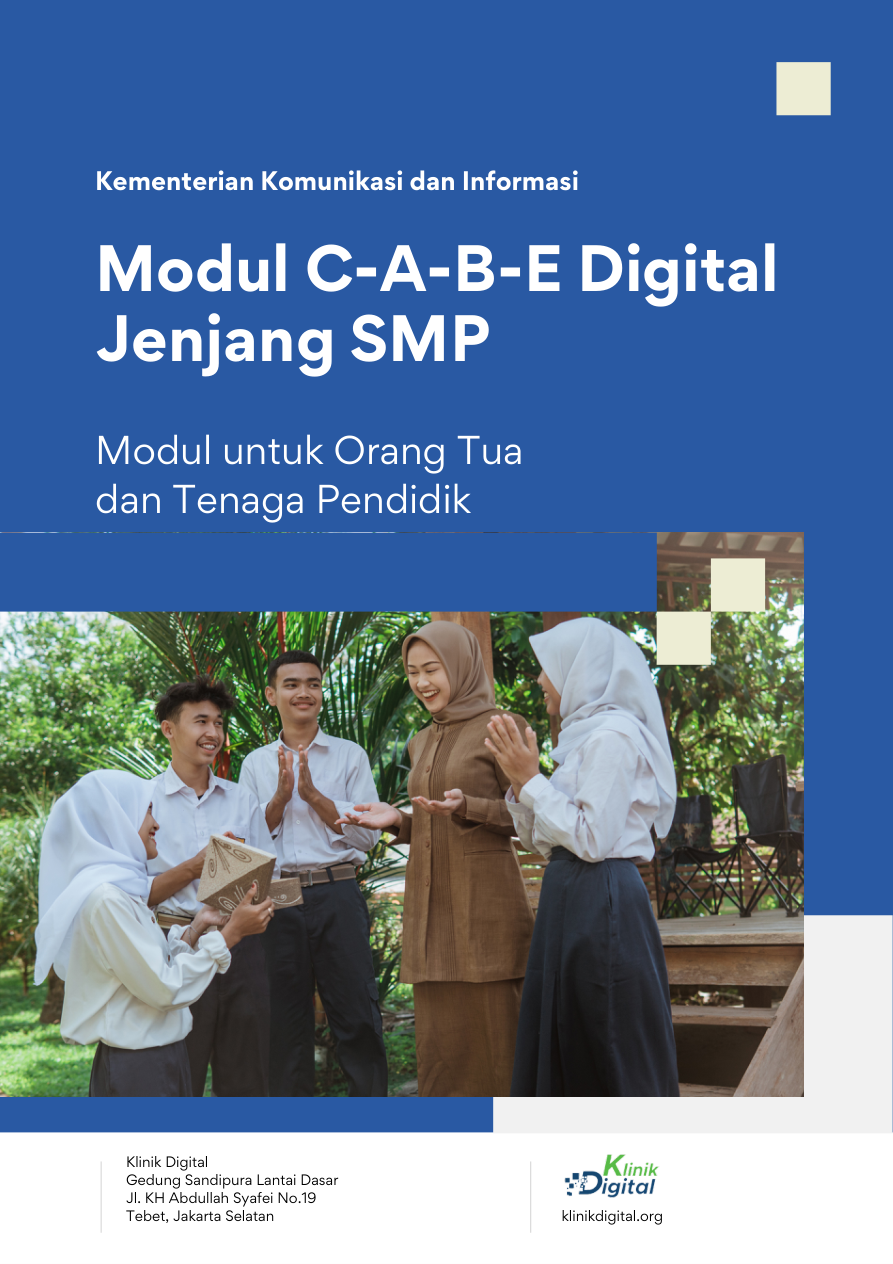
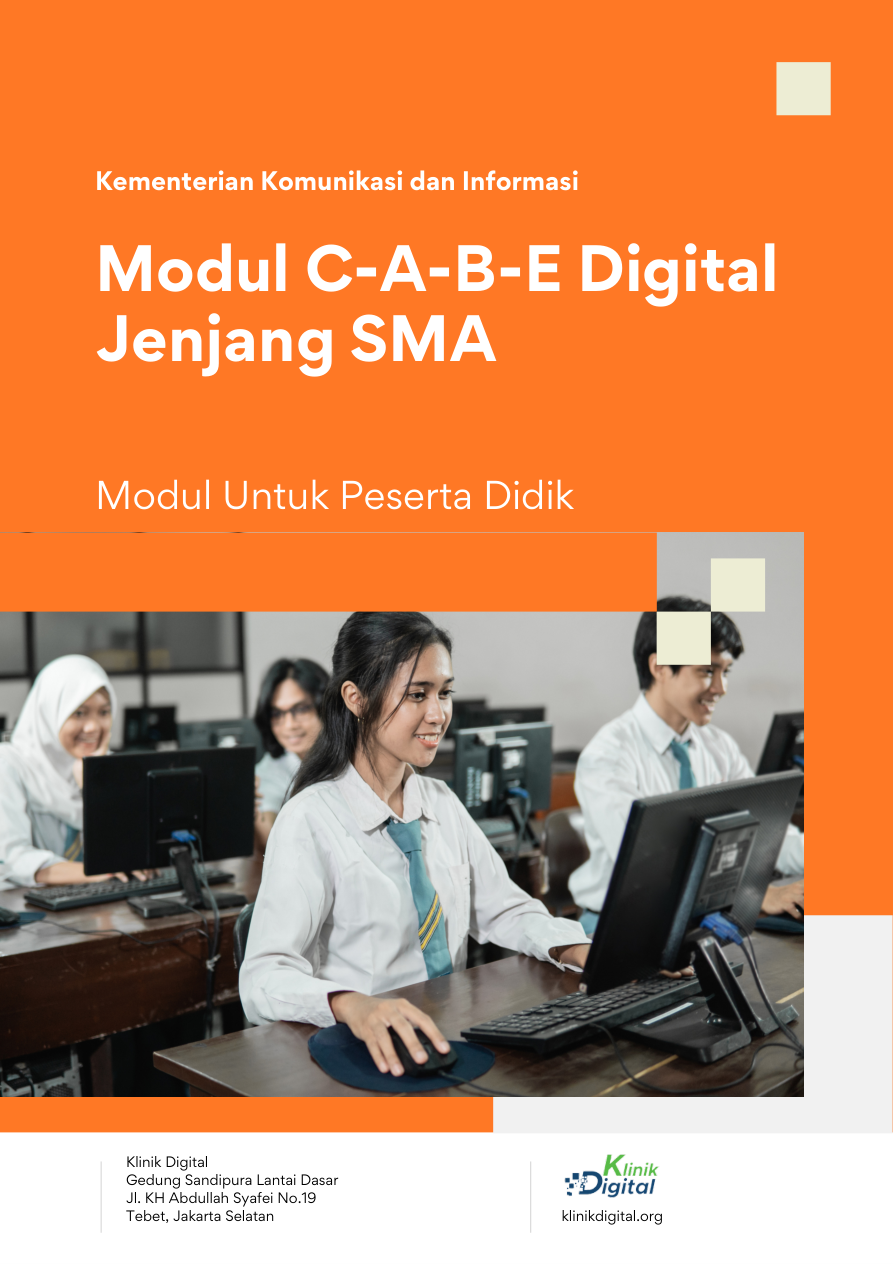
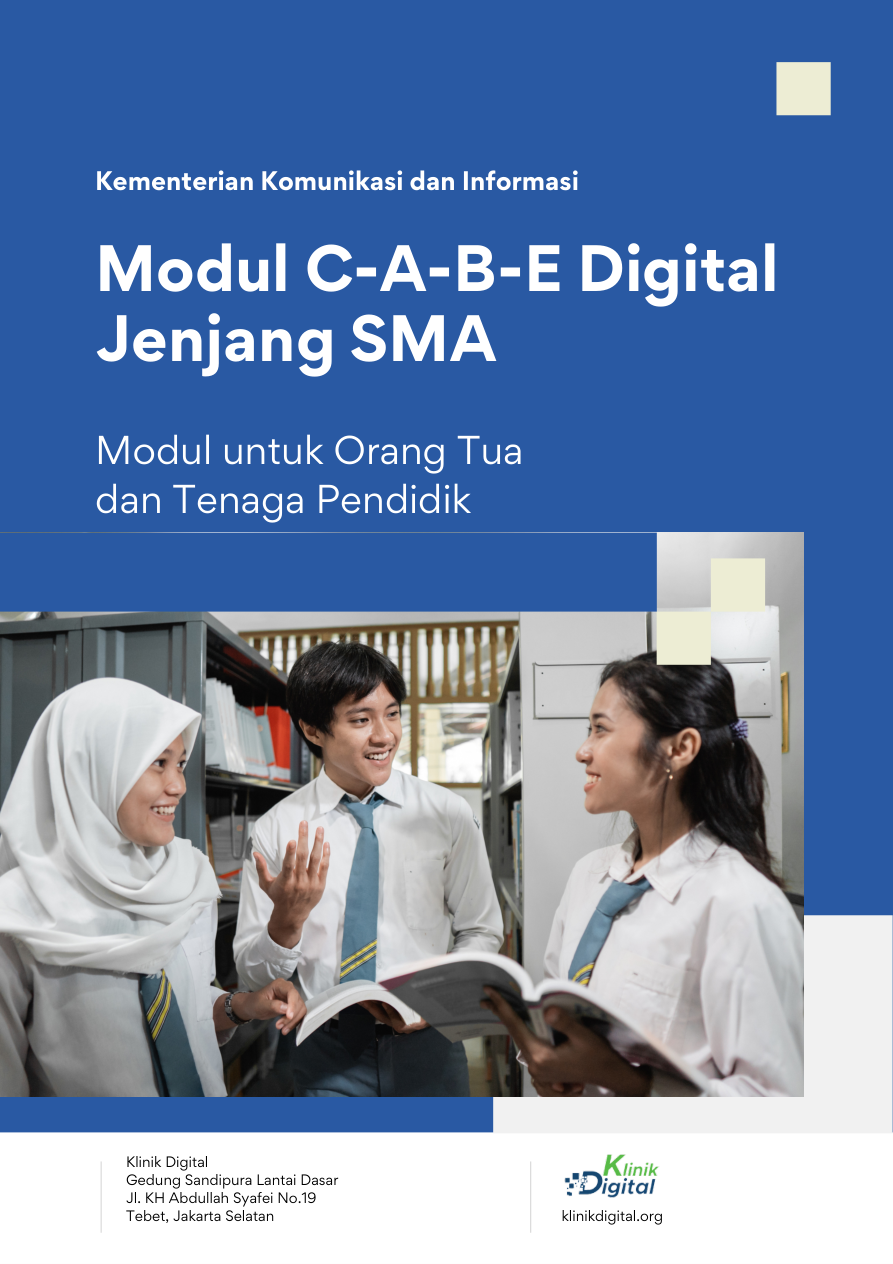
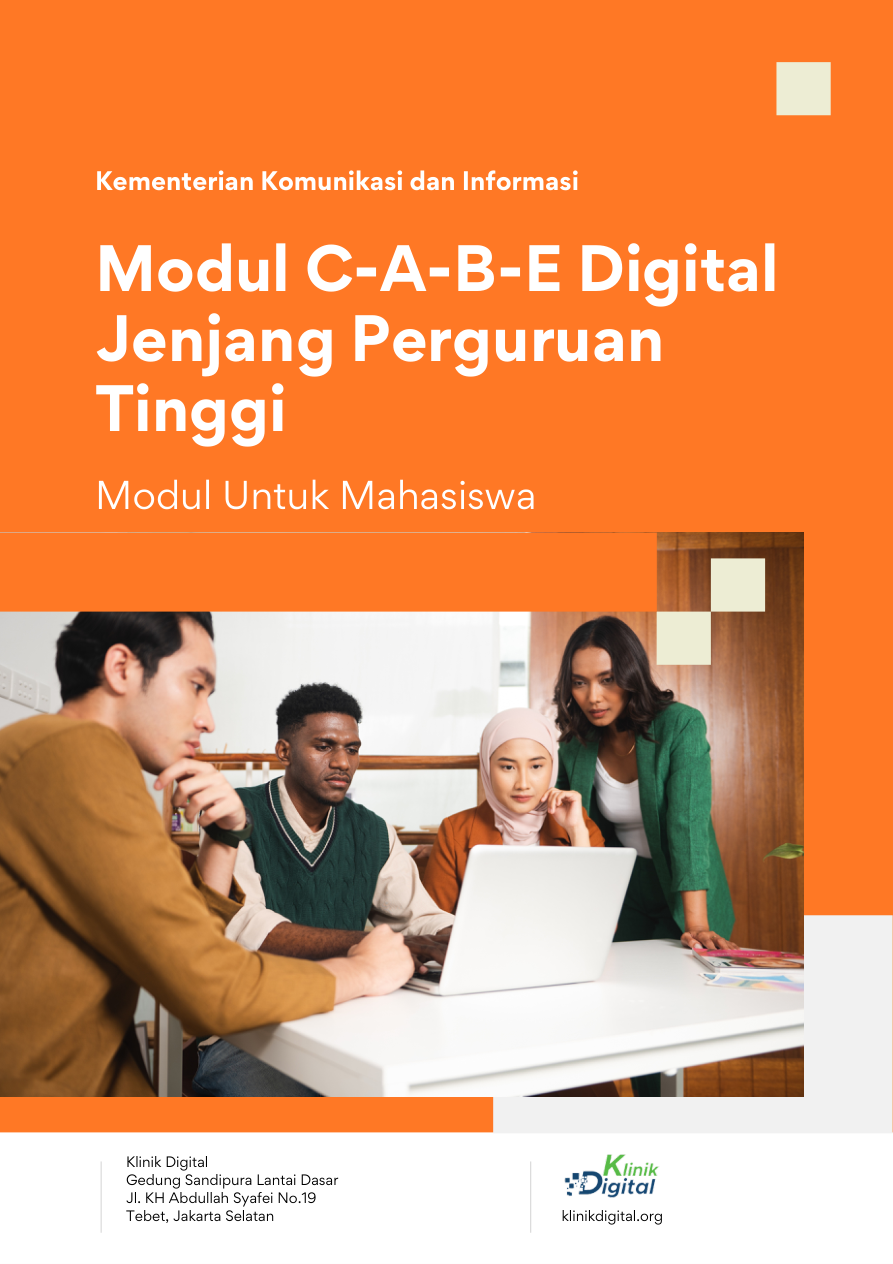
C-A-B-E Digital Literacy Modules (Early Childhood to Higher Ed)
Comprehensive structured literacy modules across education tiers: Early Childhood (PAUD), Primary (SD 1-3 & 4-6), Junior High (SMP), Senior High (SMA/SMK), and Higher Education (PT), plus Teacher & Parent Guides.
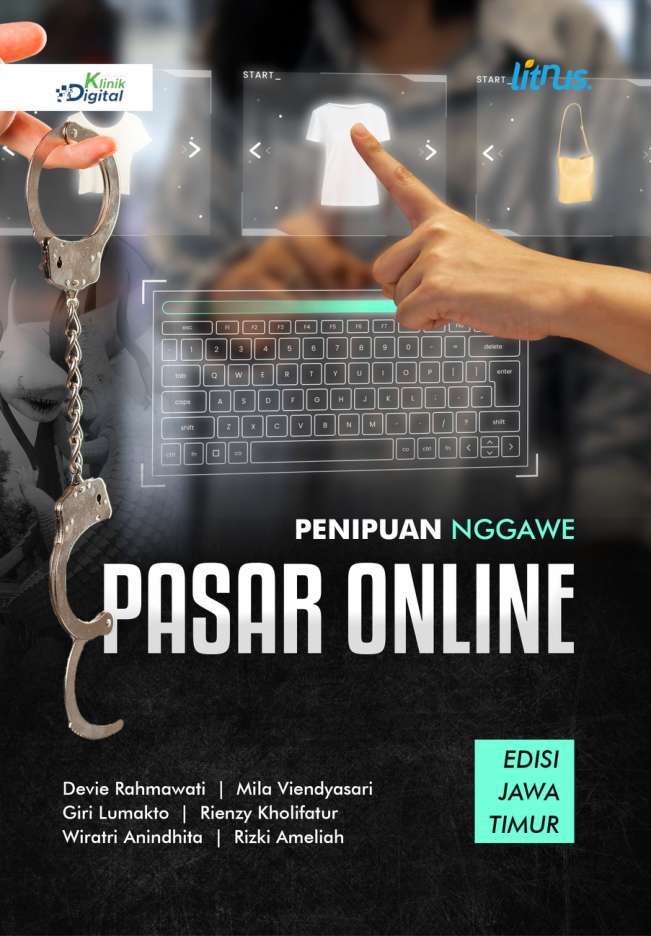
Cyber Fraud & Phishing Attack Awareness Series
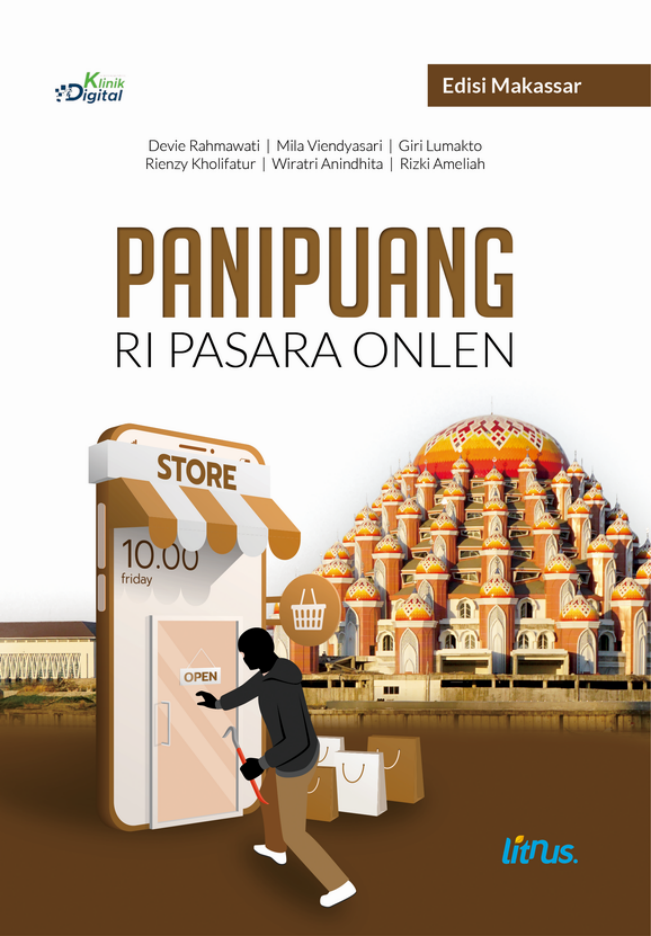
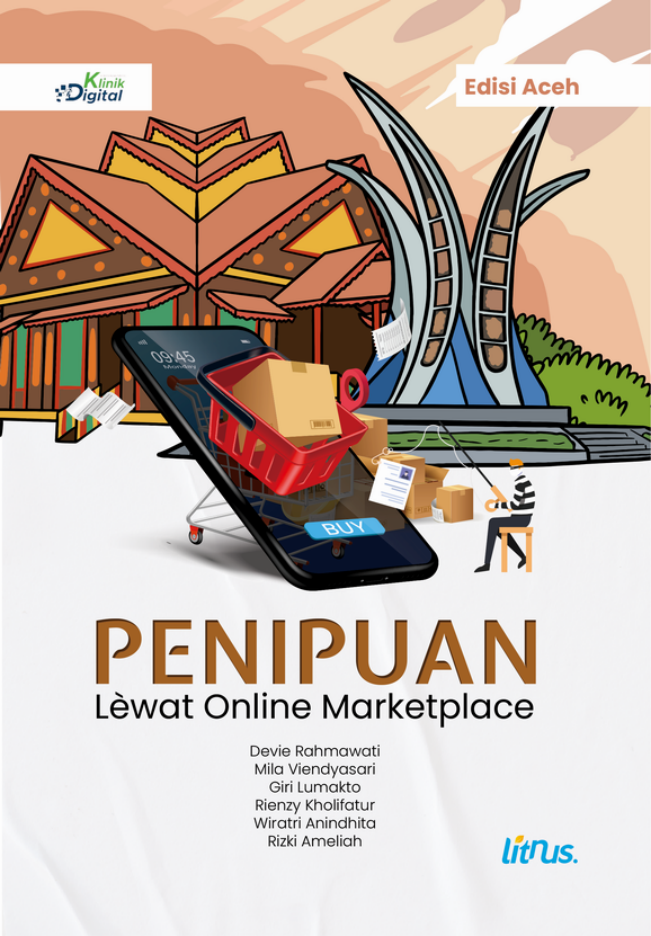
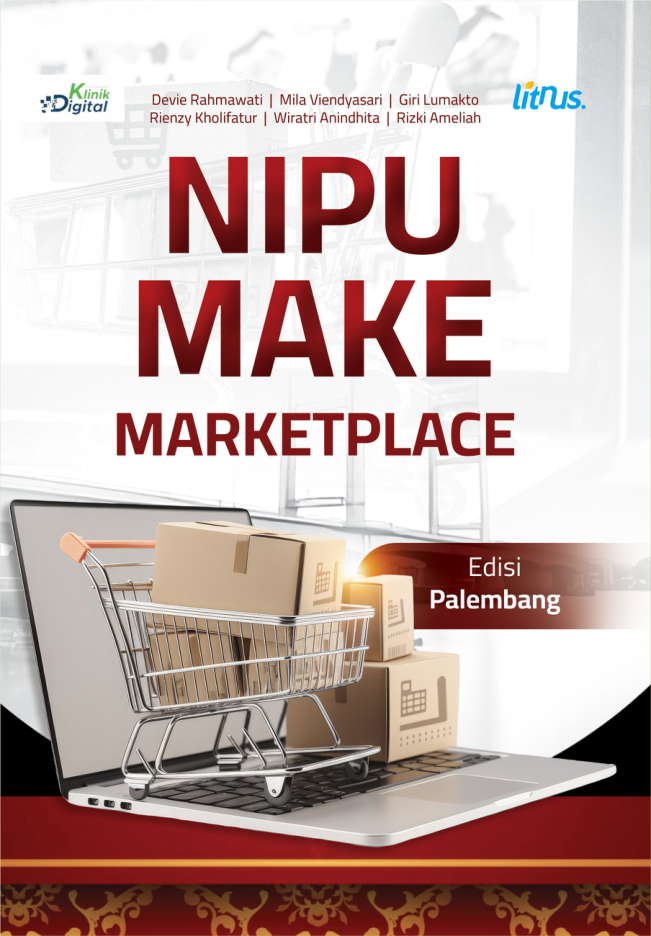
National awareness modules and regional language adaptations alerting citizens against marketplace fraud, cognitive scams, and phishing attacks.

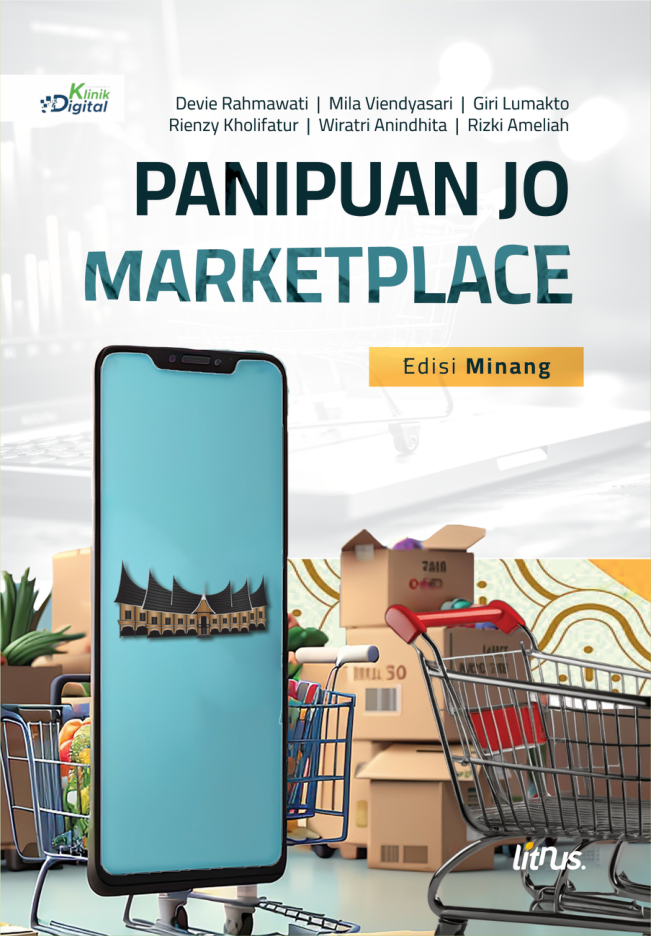

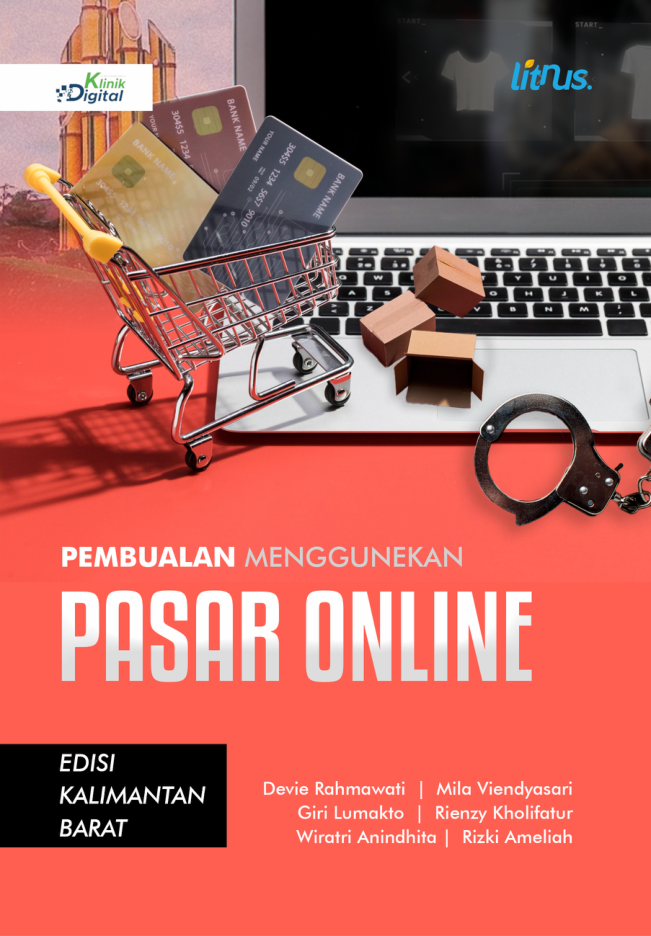
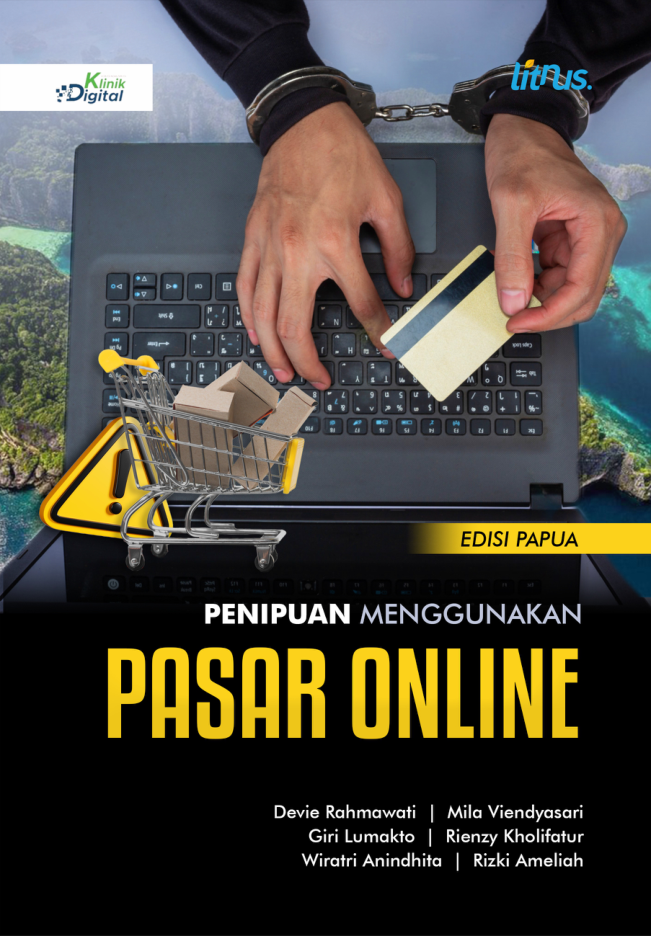
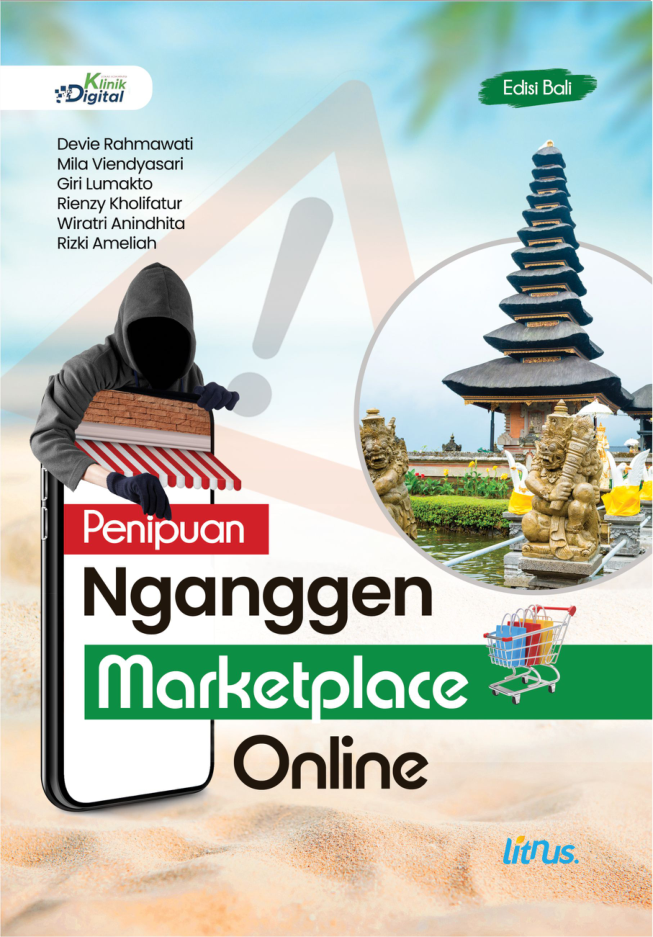


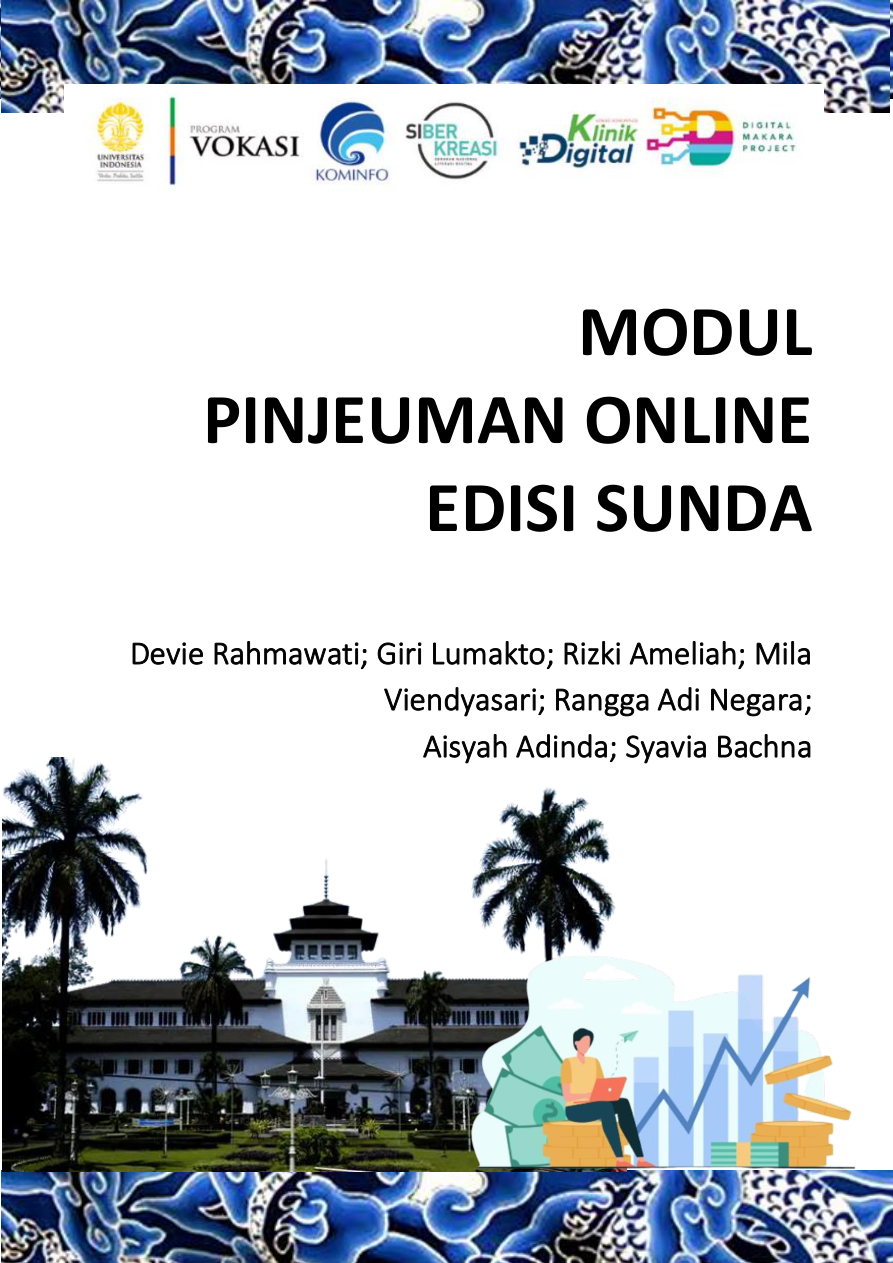
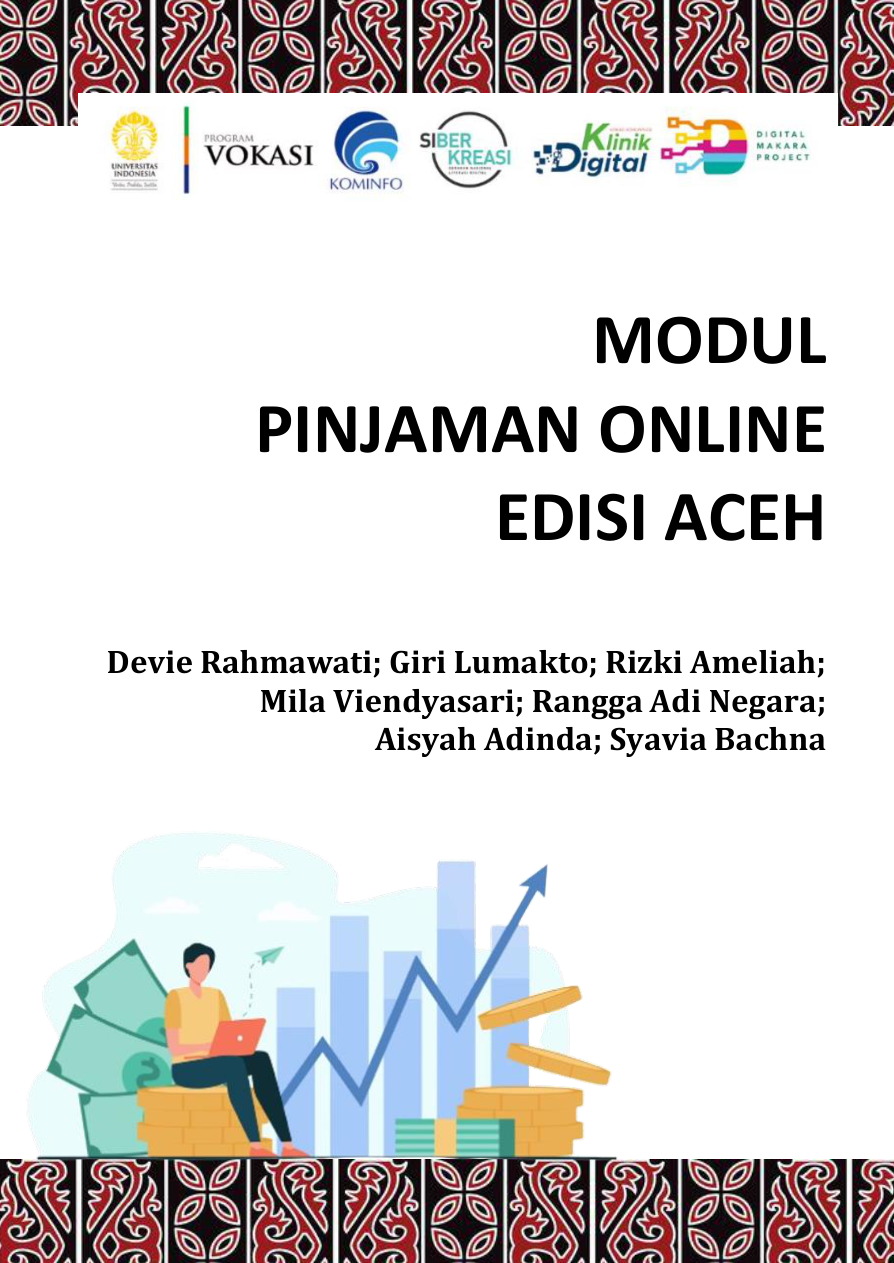
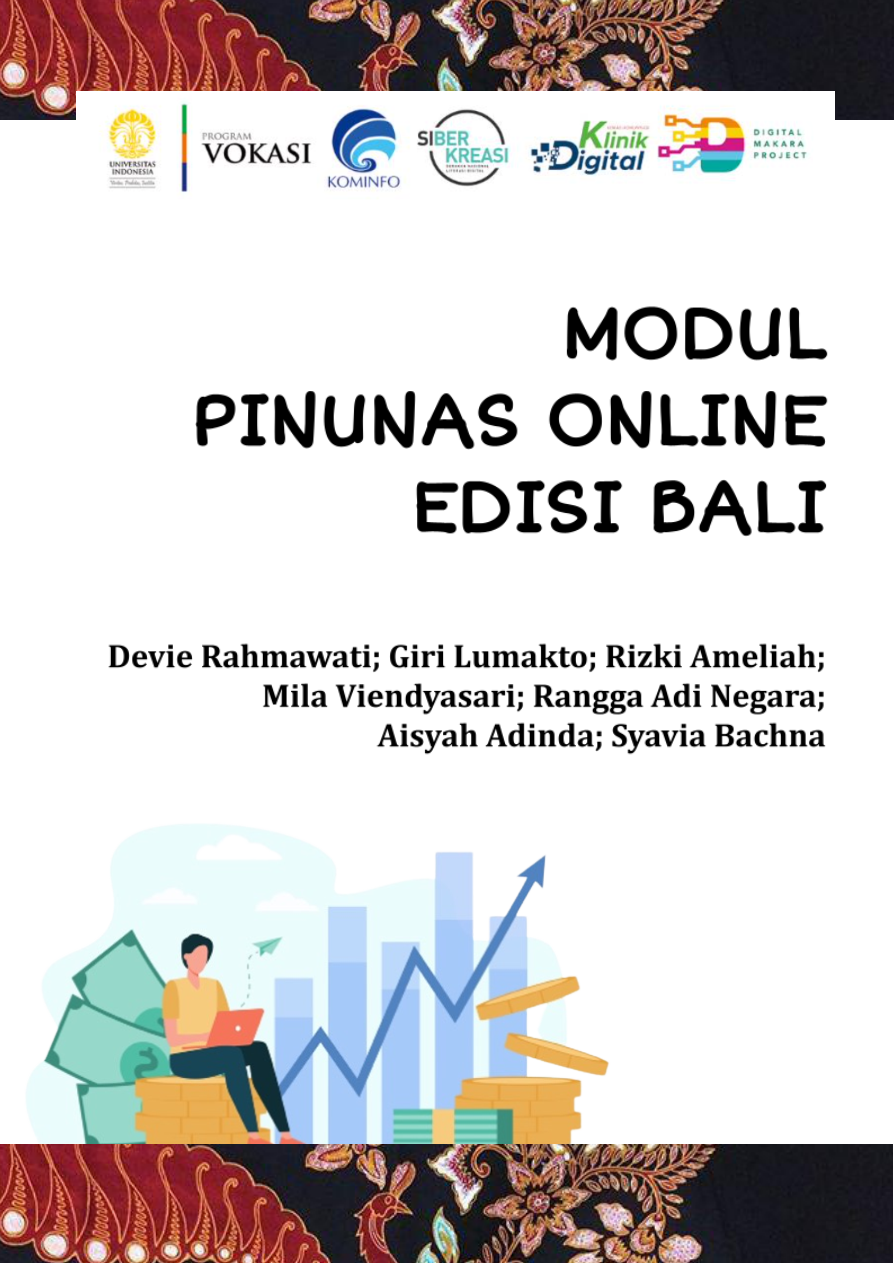
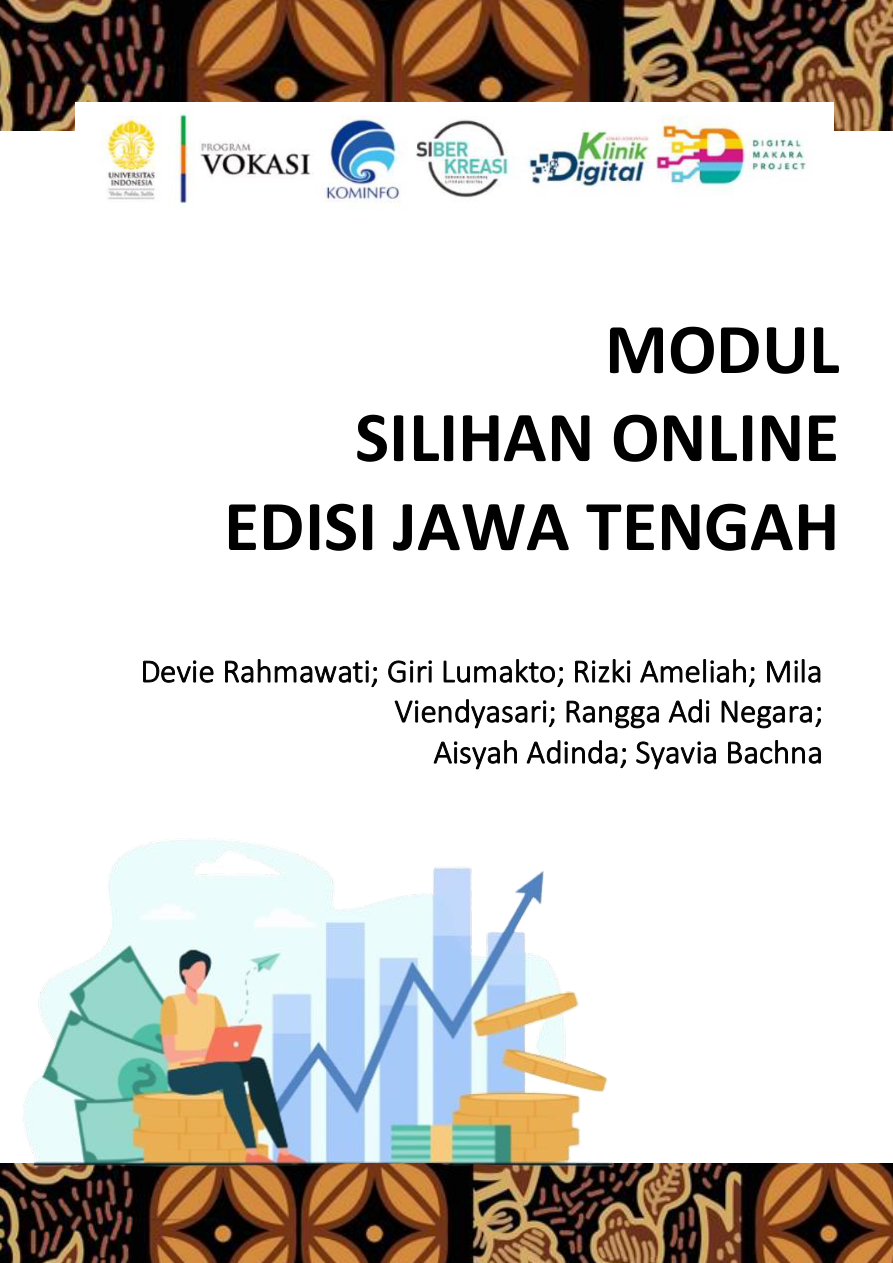
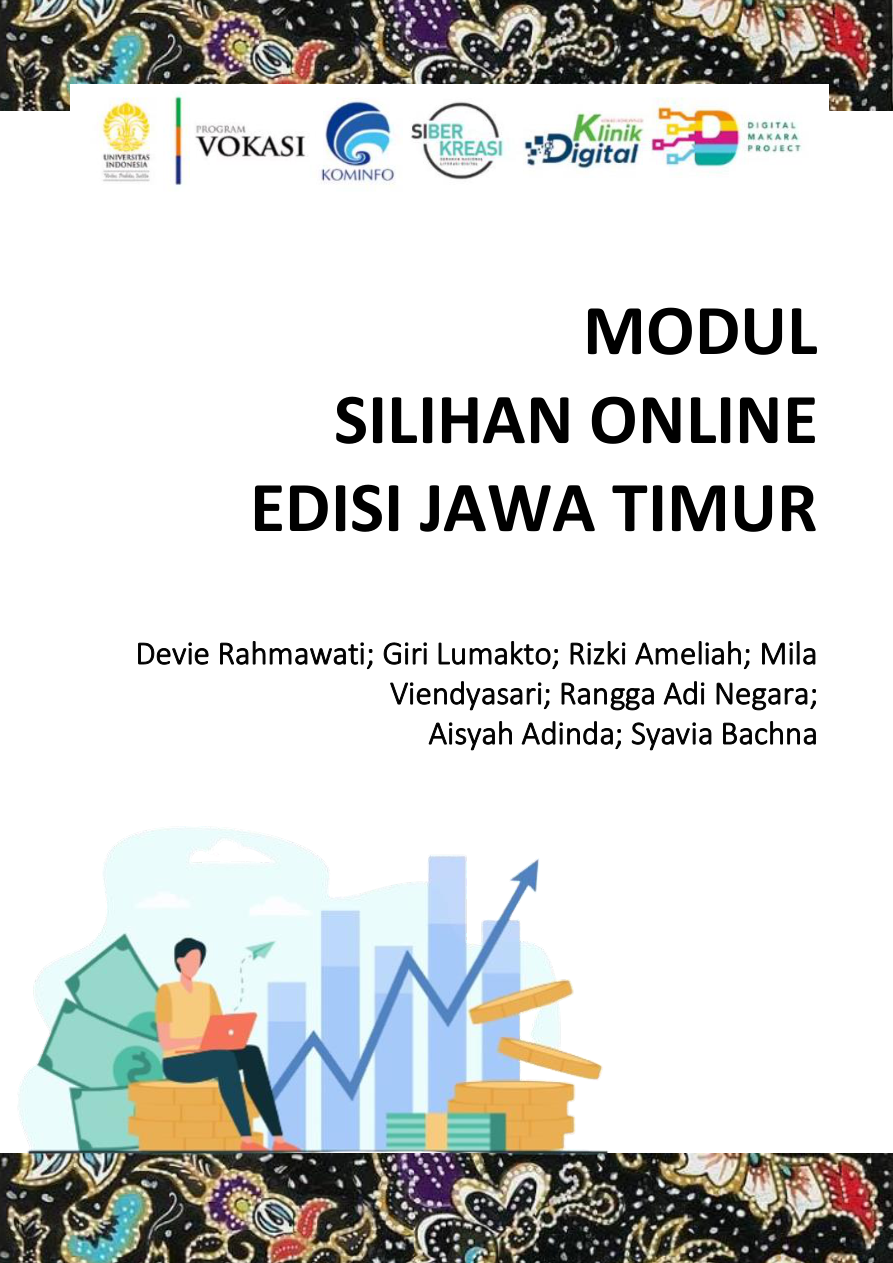
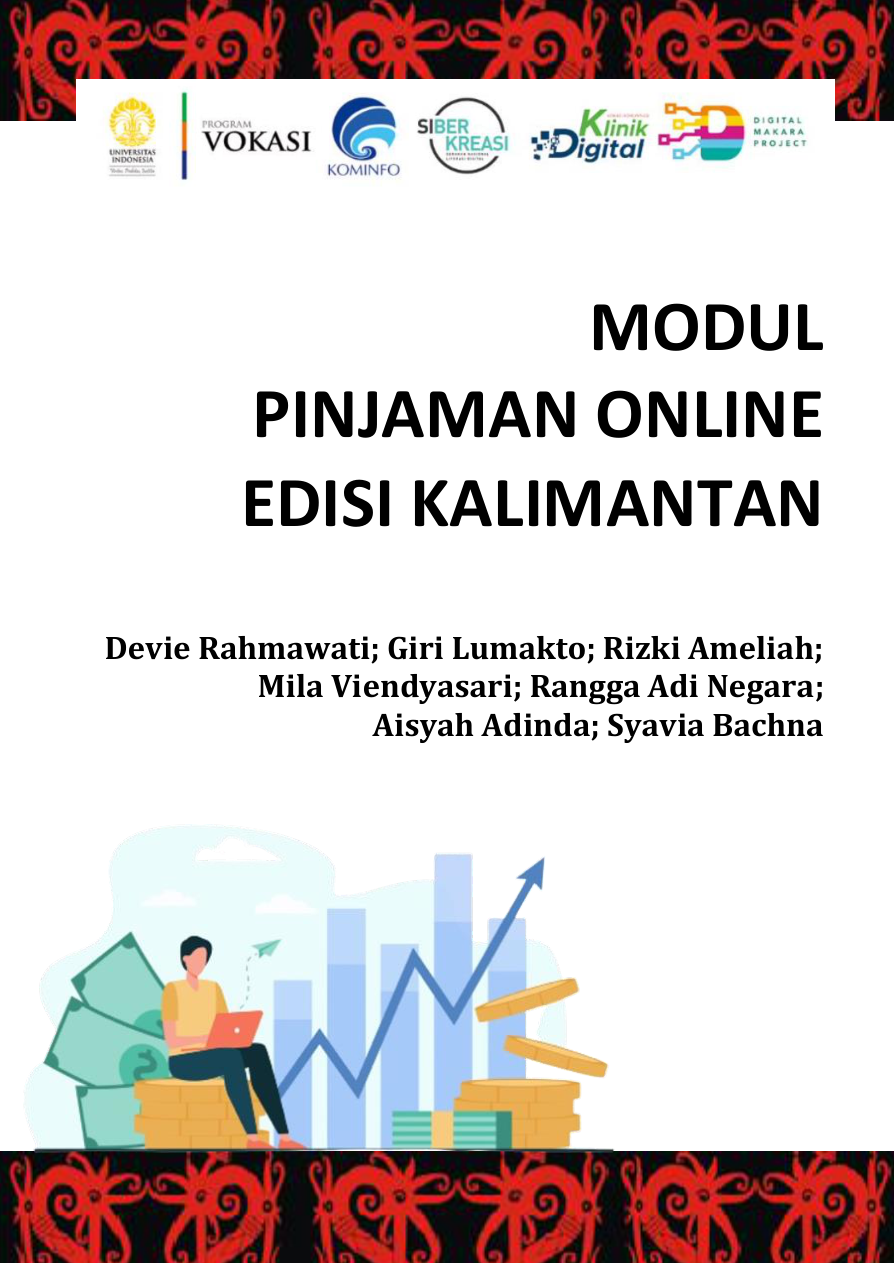
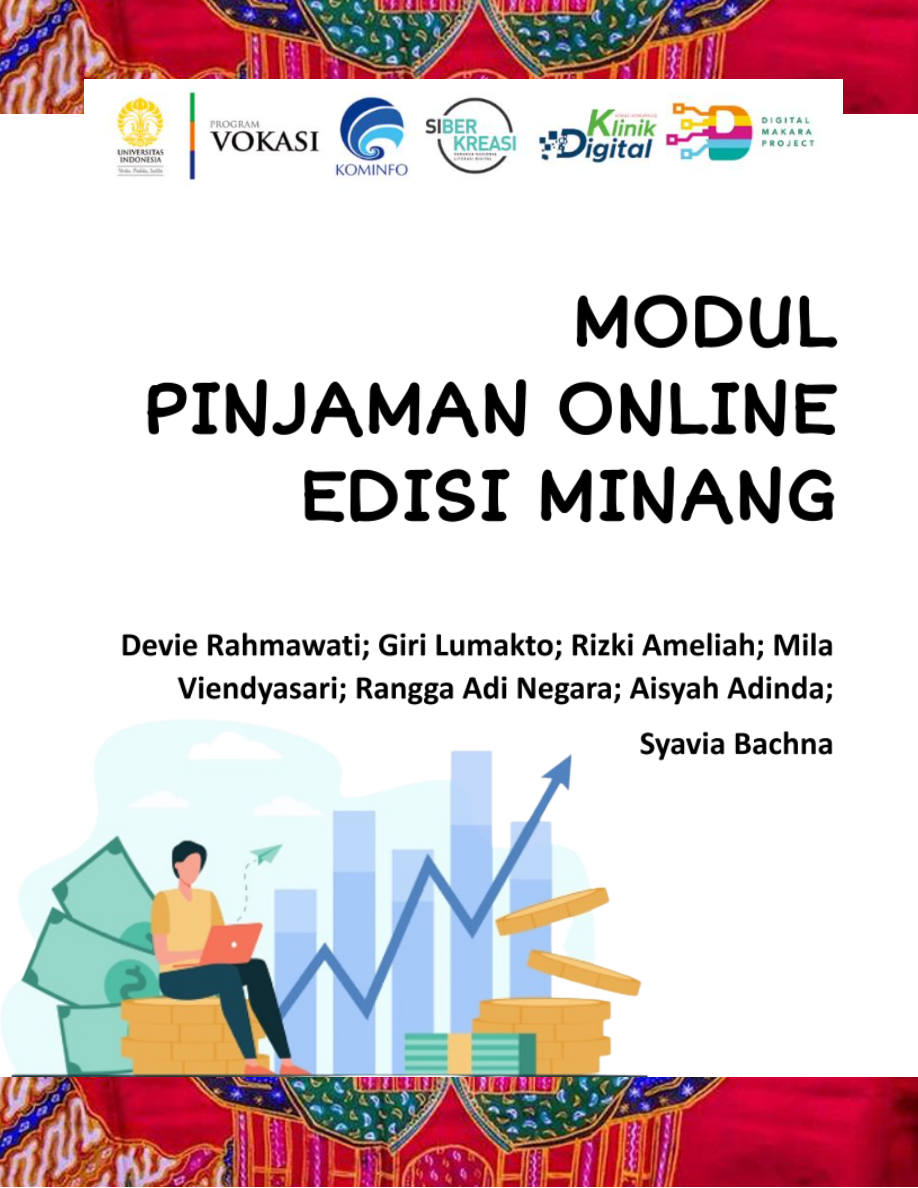
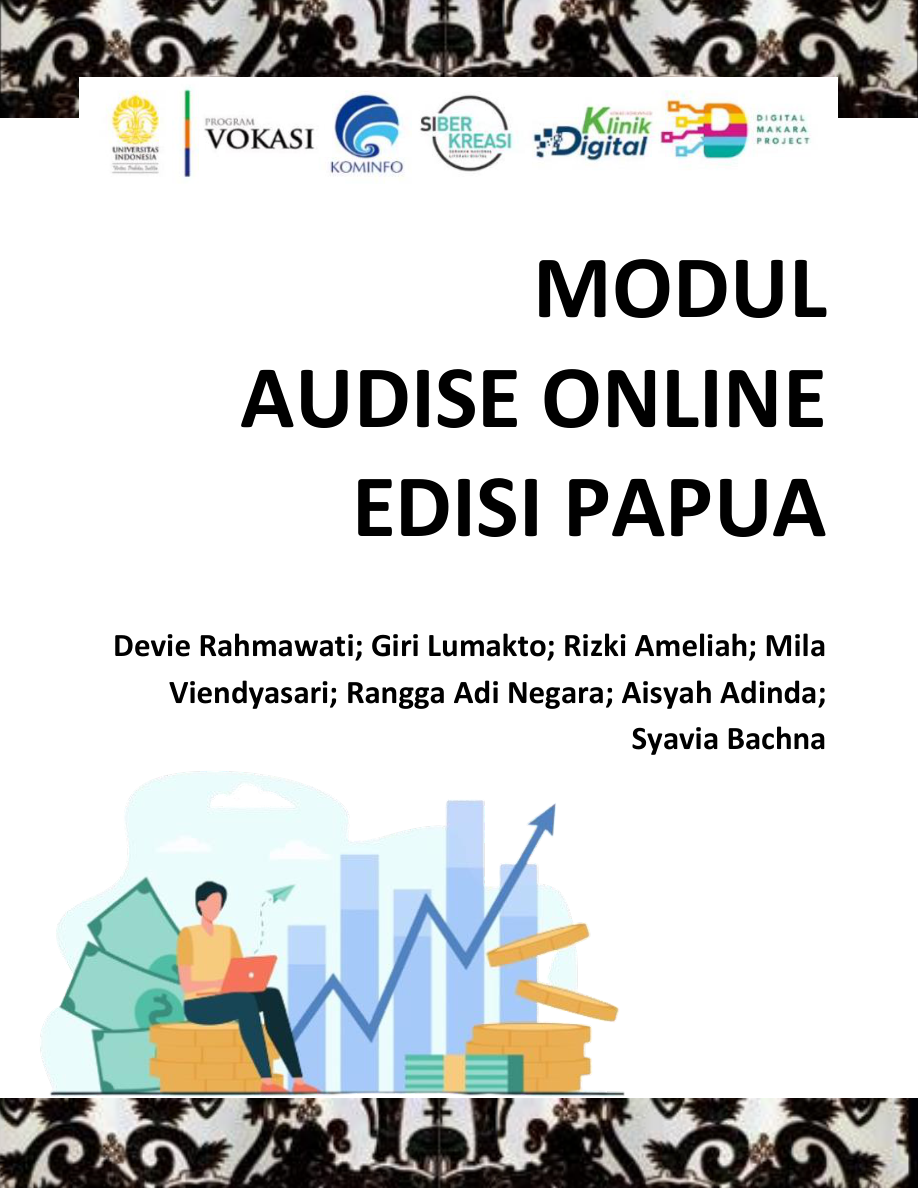
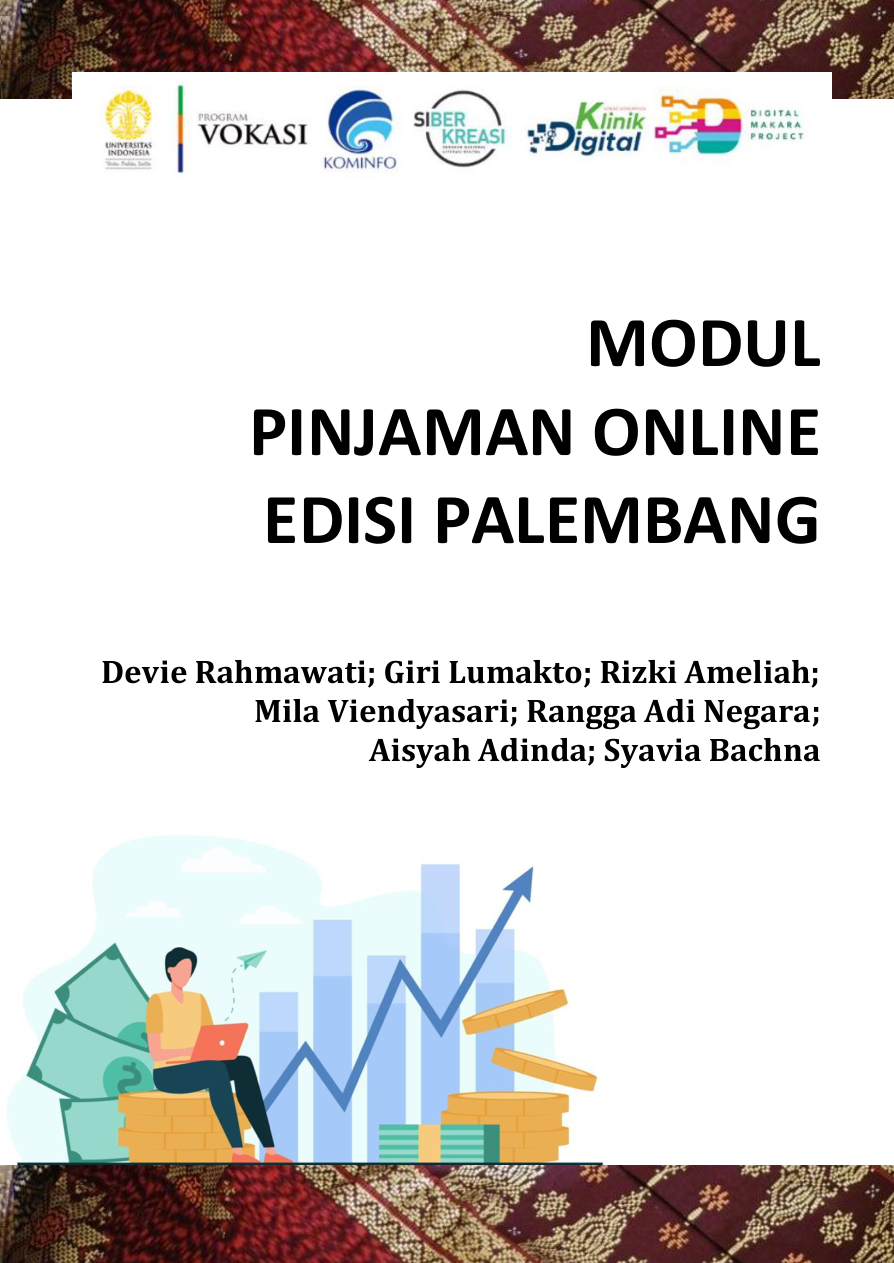
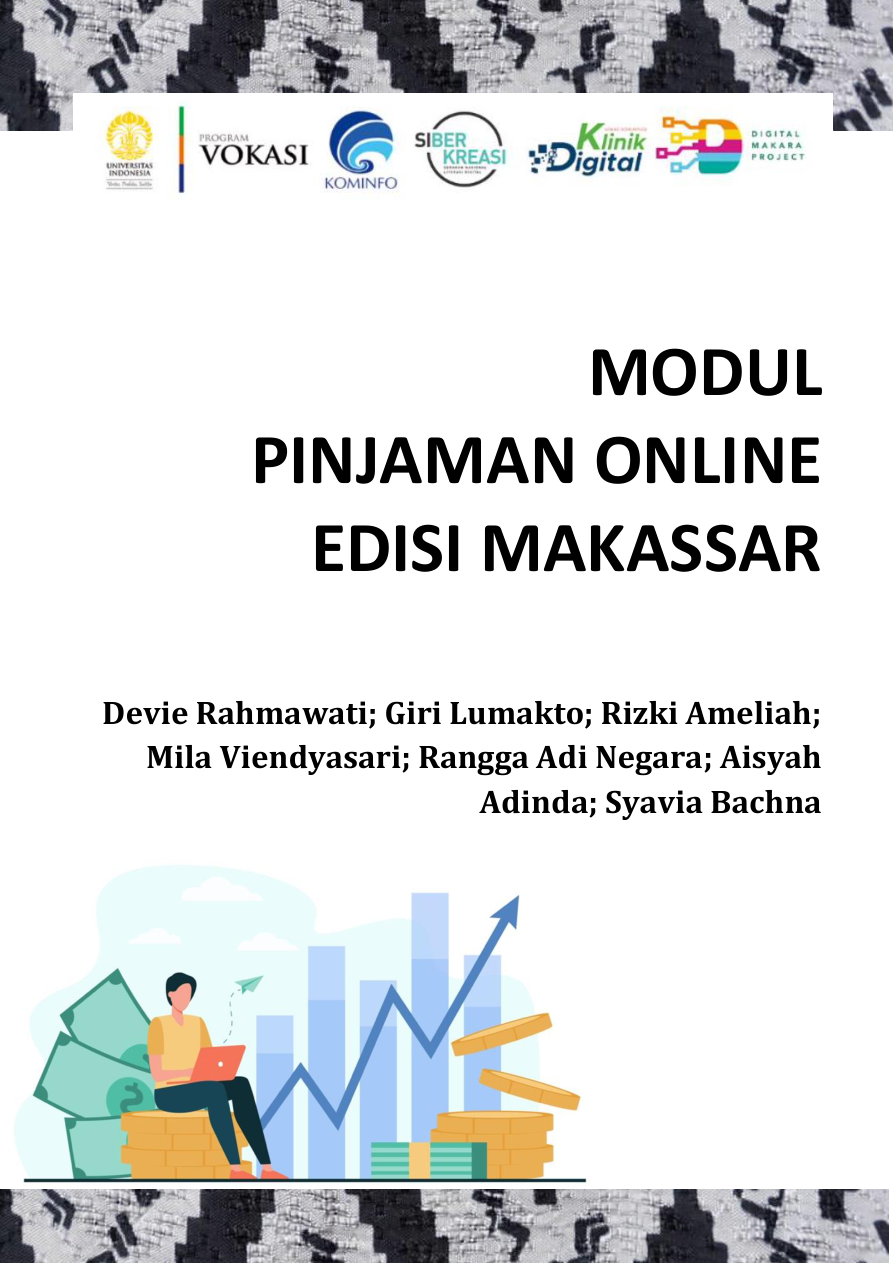
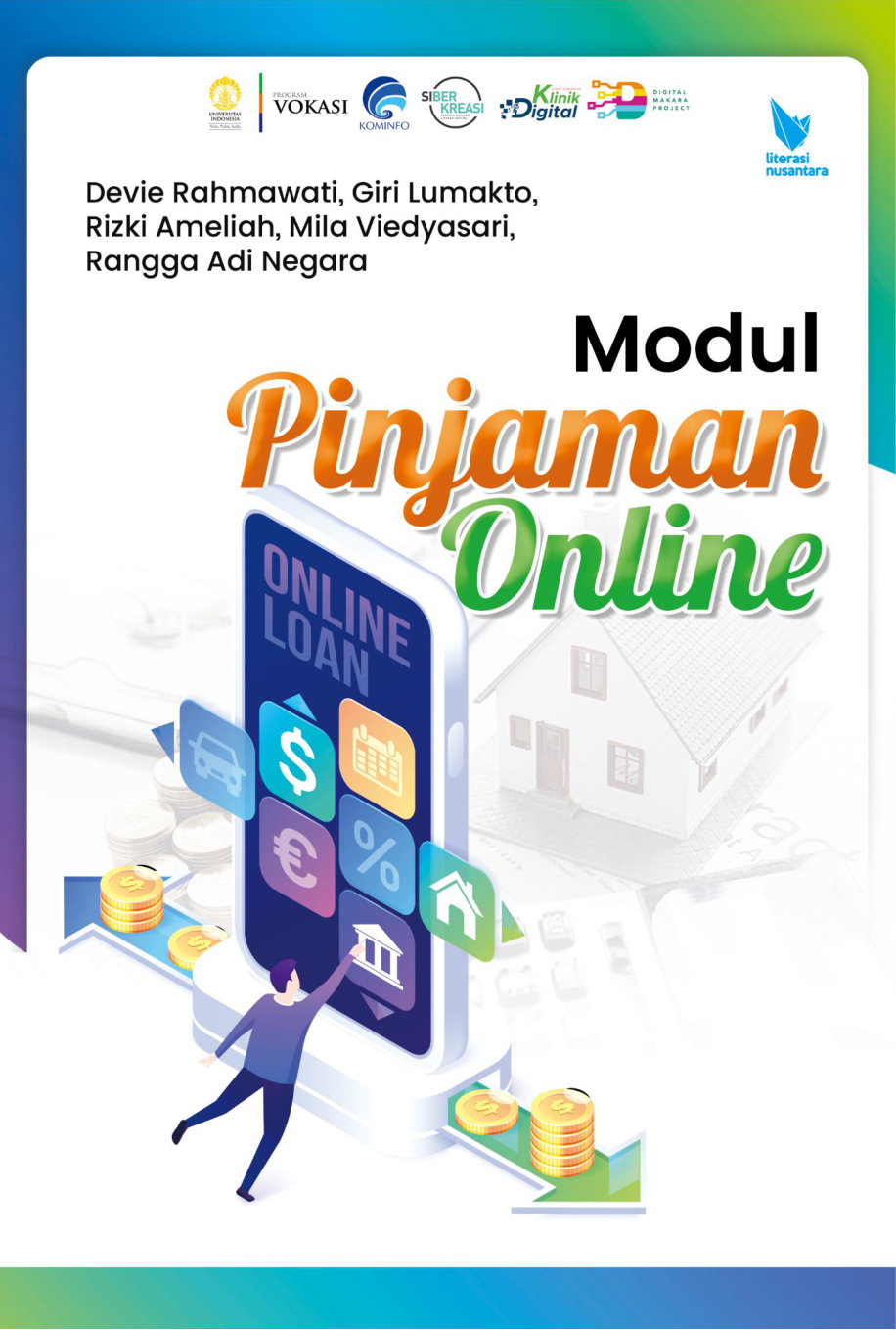
Online Lending Literacy (Pinjol) & 10 Regional Language Editions
Critical financial-digital literacy modules demystifying predatory lending, legal vs. illegal fintech loans, and debt trap avoidance in 10 Indonesian mother tongues.
Digital Competence, AI & Emerging Technology Modules
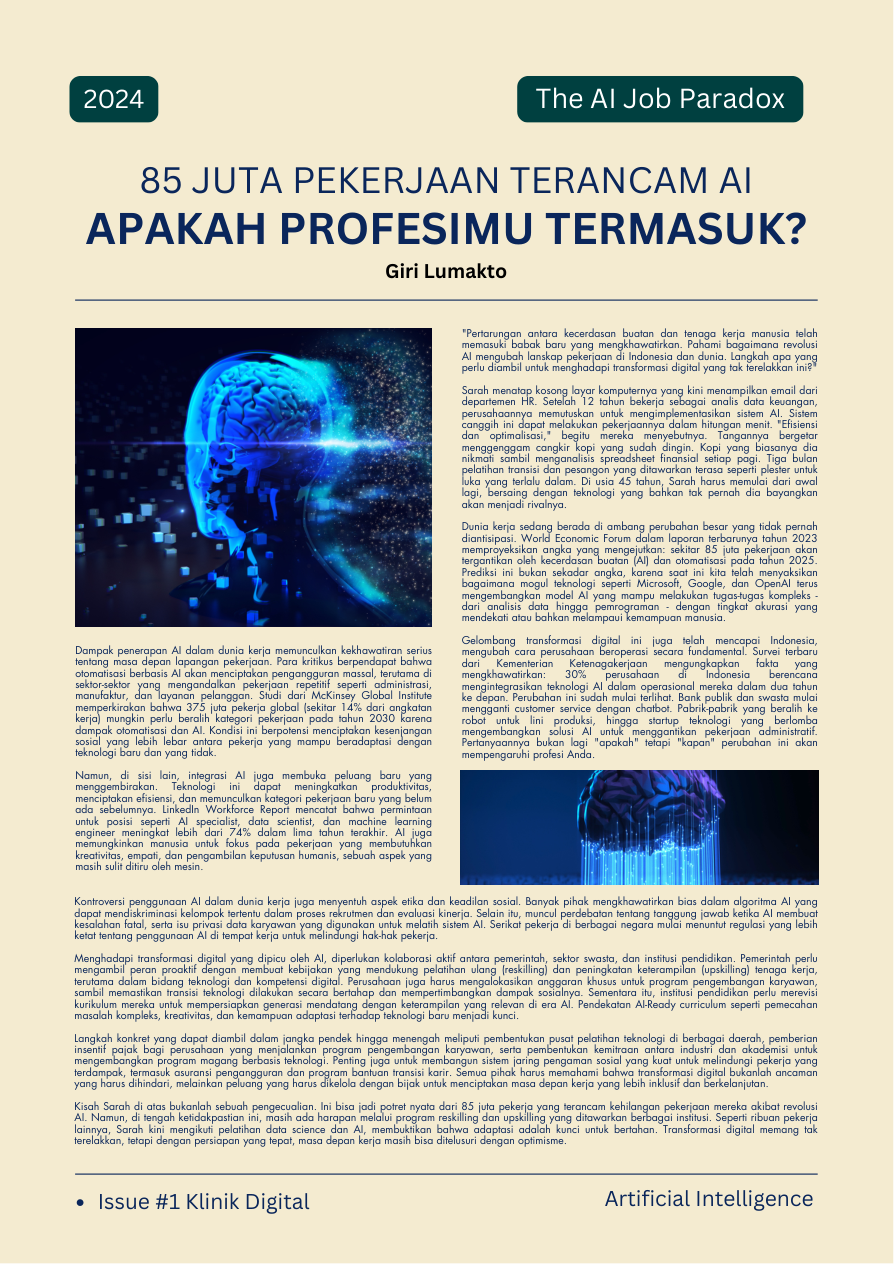
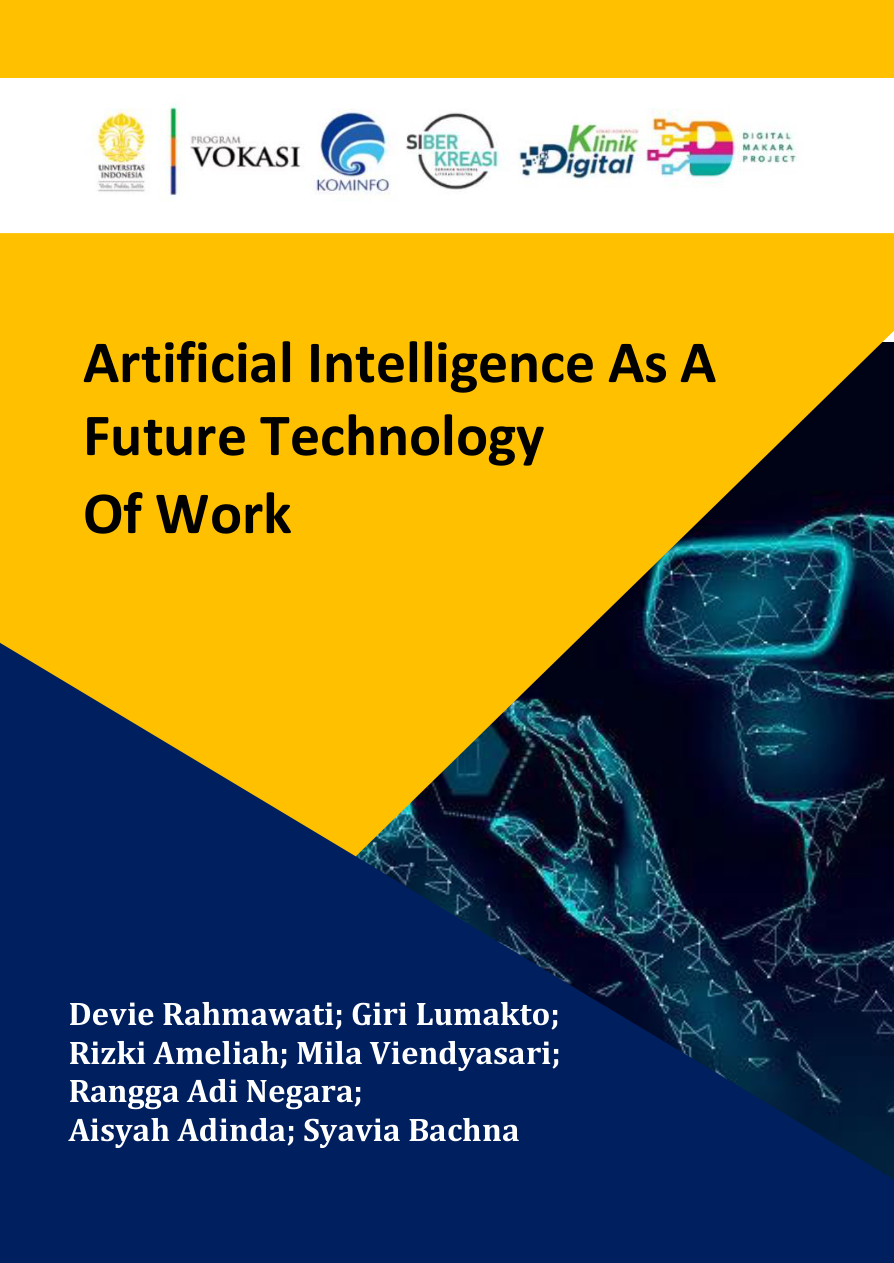
Practical modules exploring Artificial Intelligence in the workplace, Computer-Generated Imagery (CGI), Cyber Crime, Netiquette, Social Media Bullying, and Mindful Commenting.
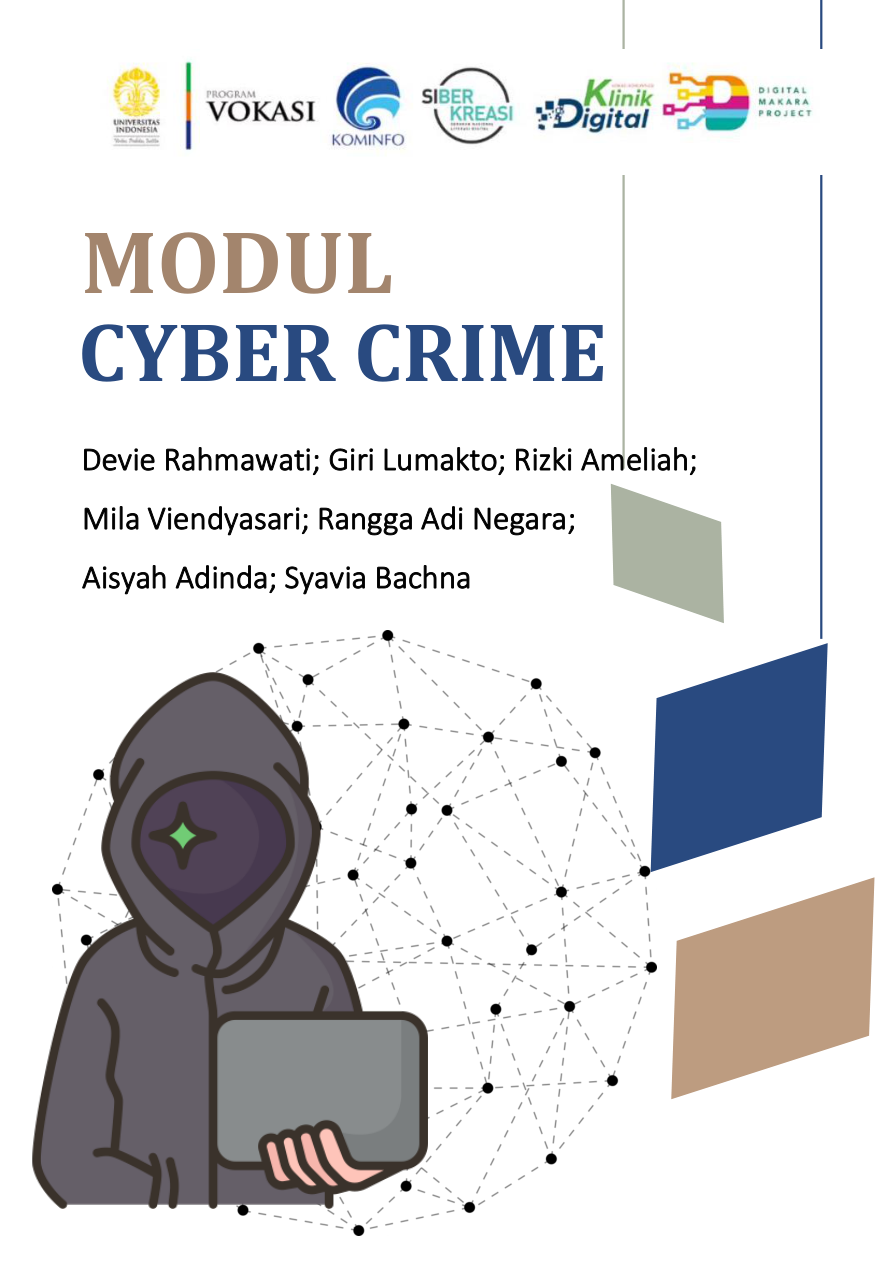
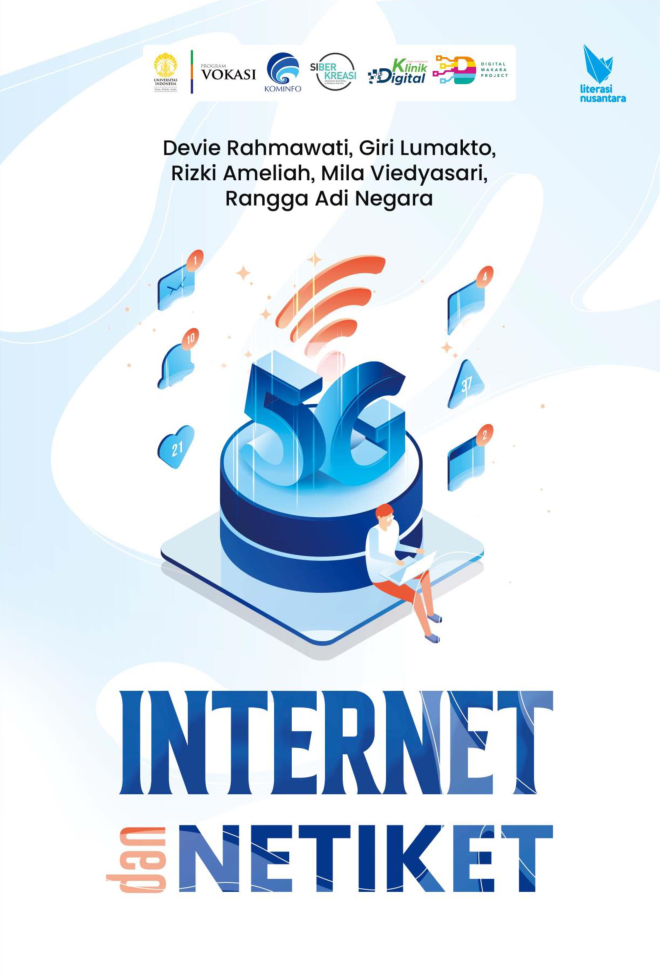
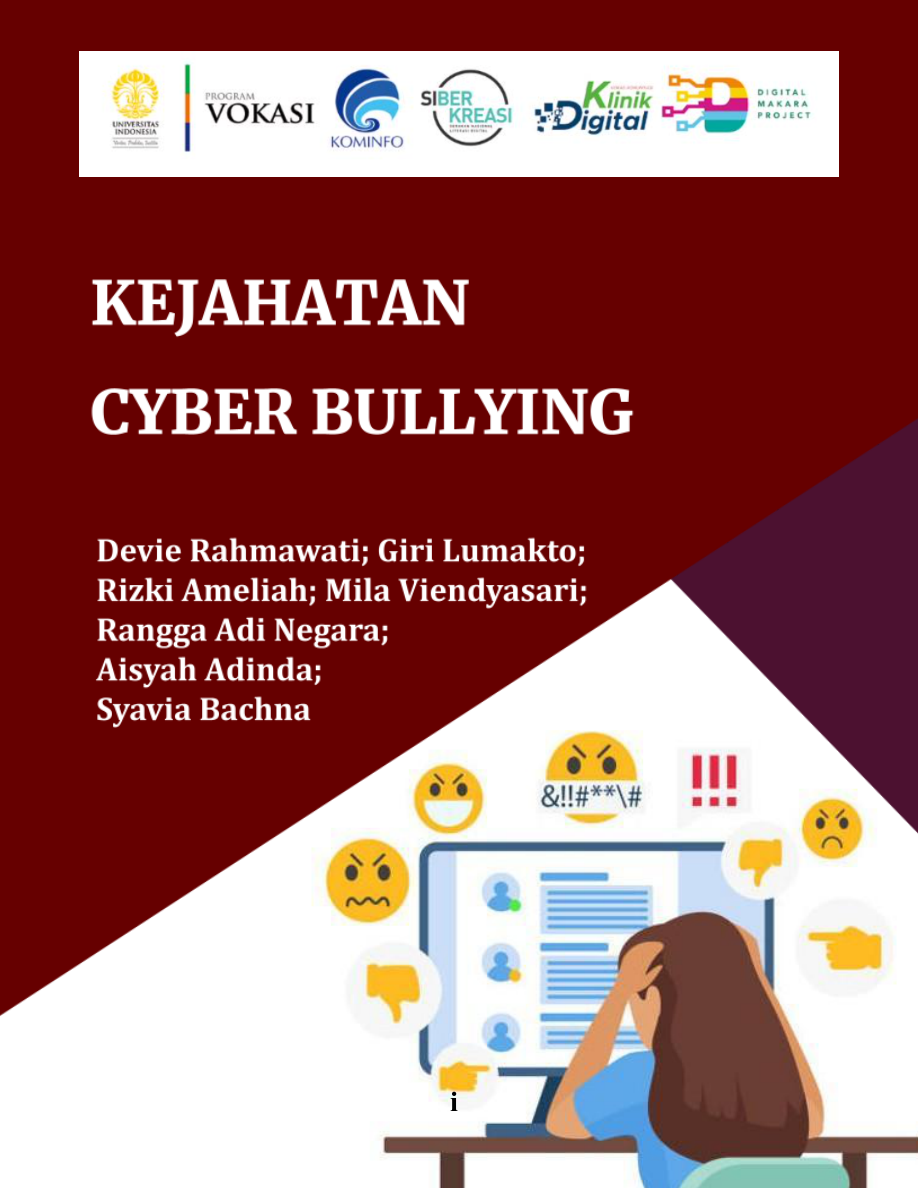
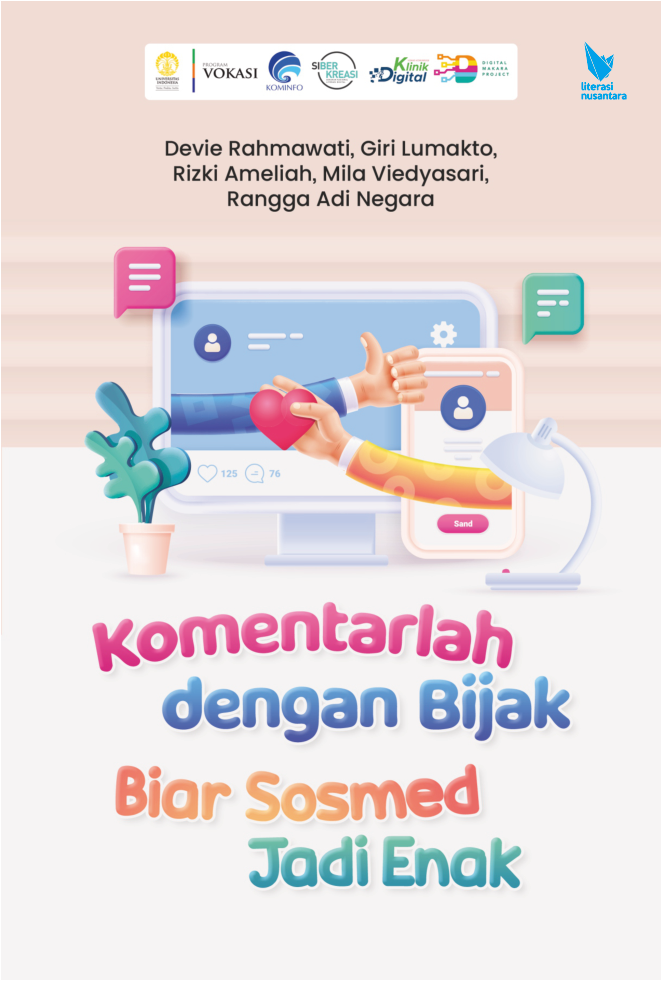
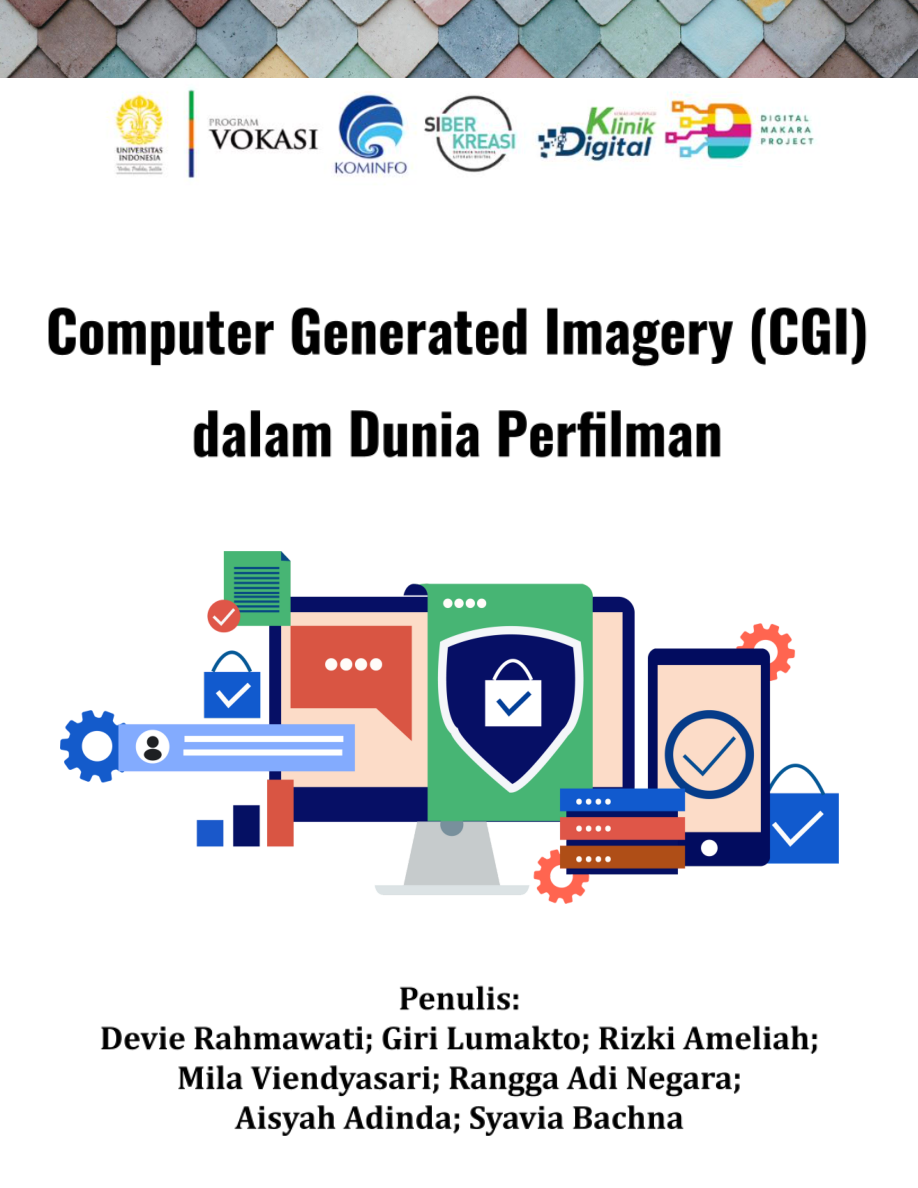
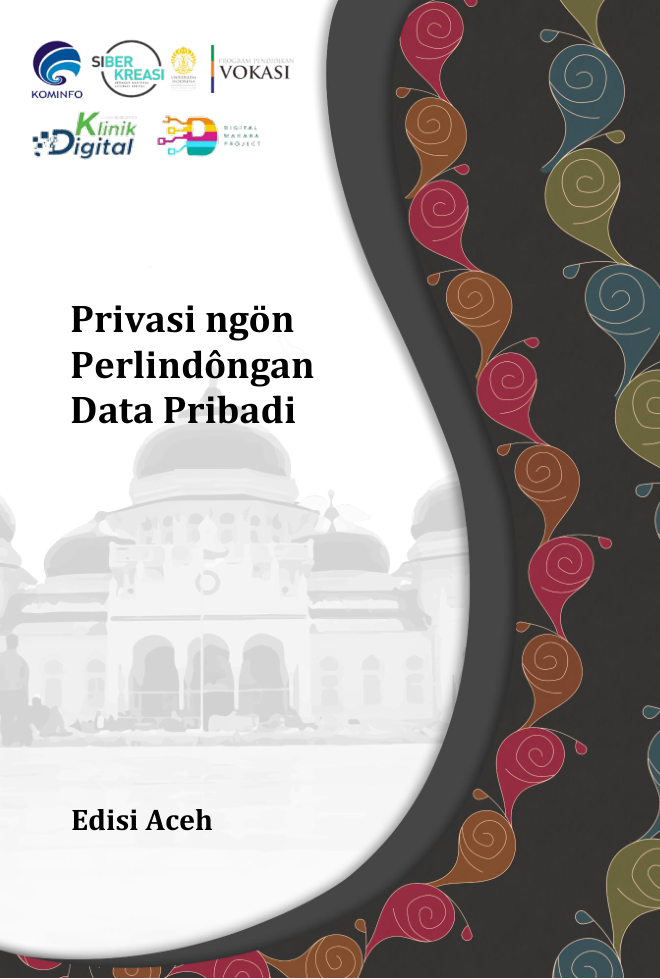
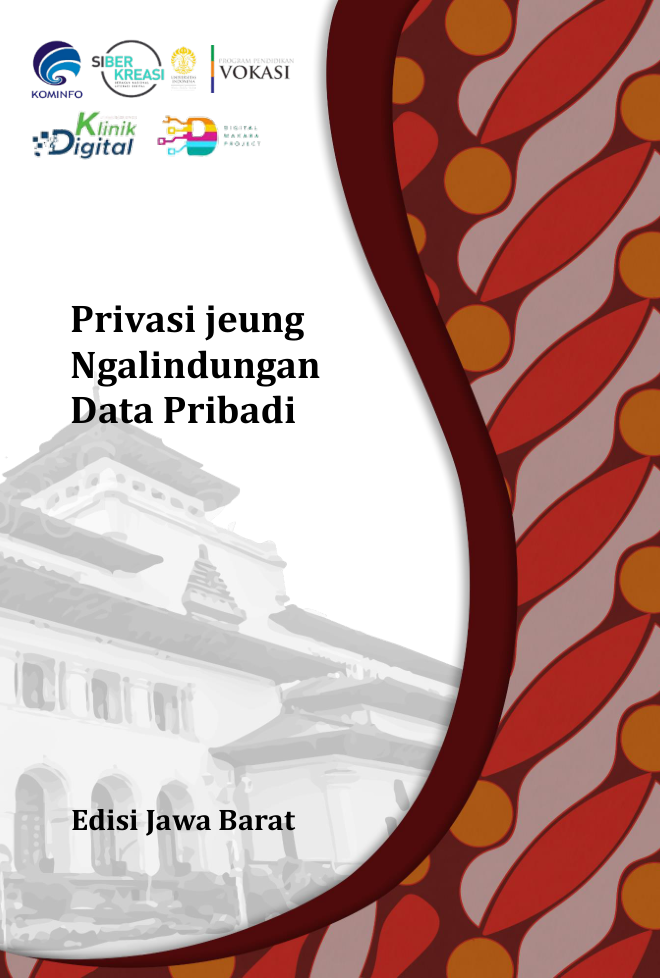
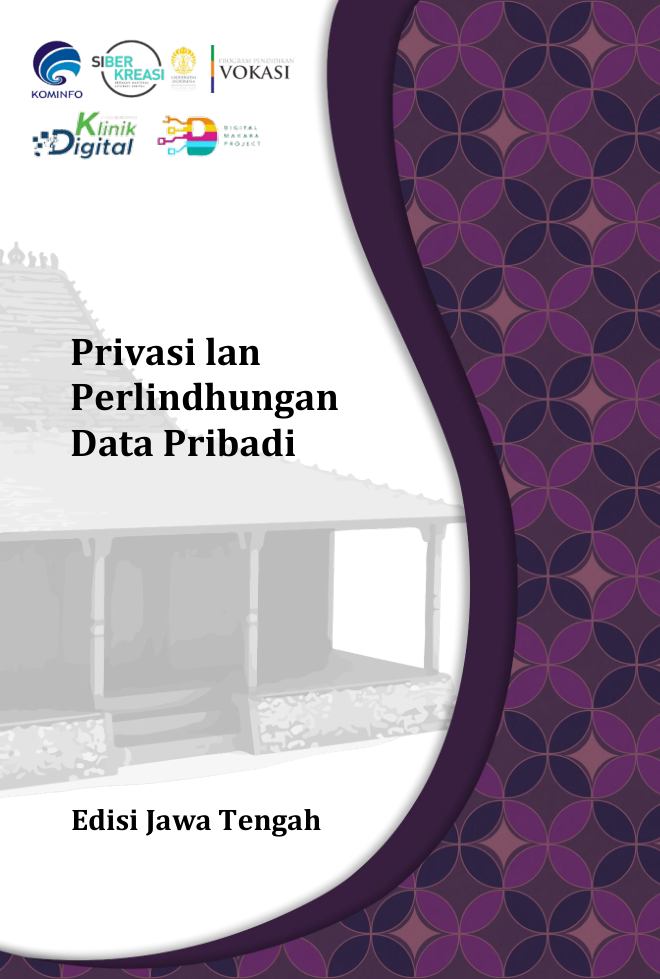
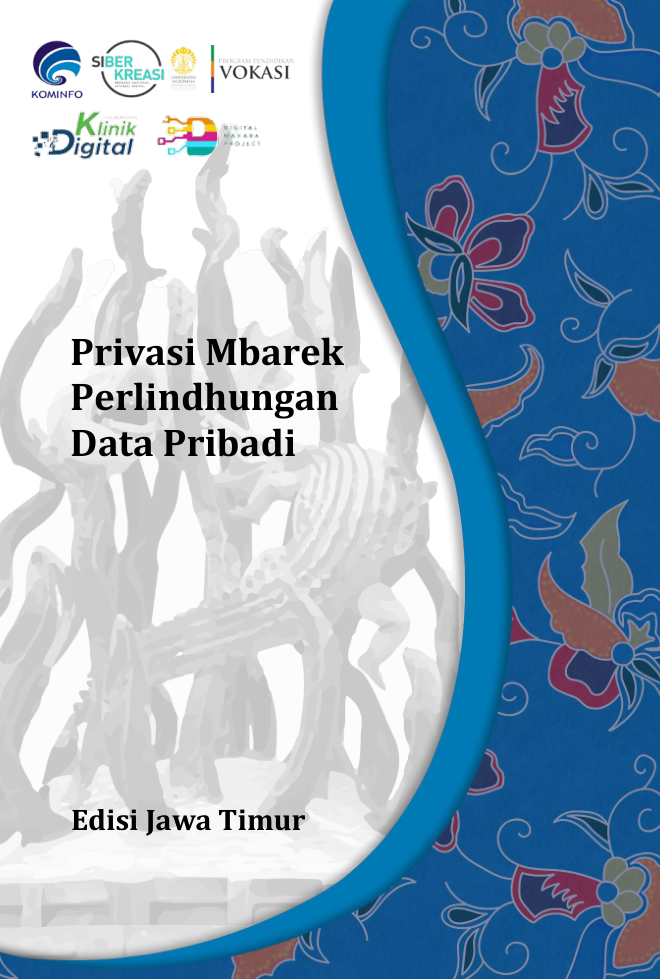
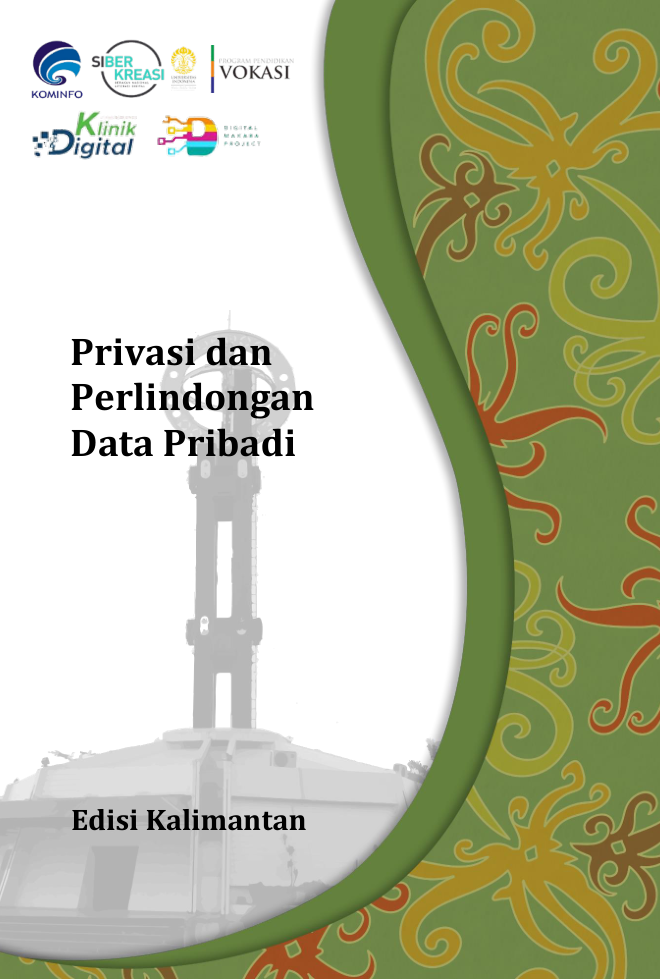
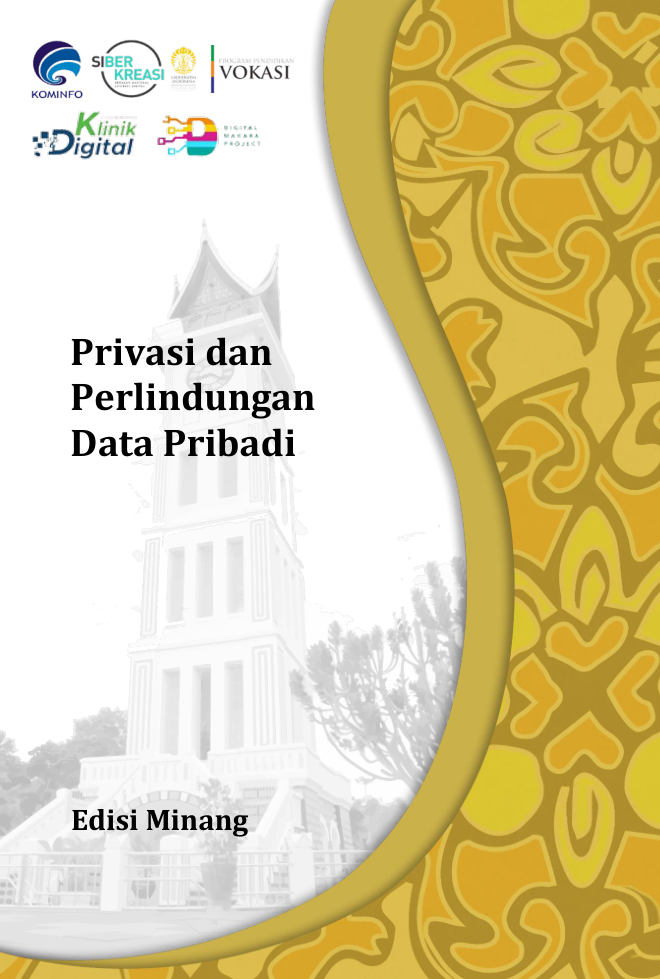
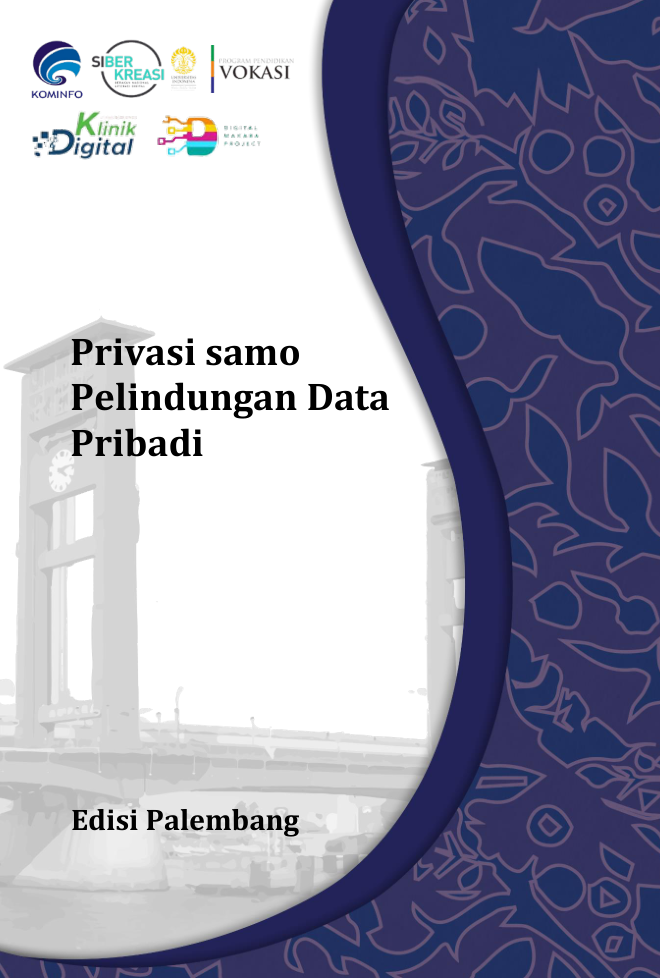
Digital Privacy & Data Security (10 Regional Languages)
Groundbreaking localized privacy and digital security modules co-created in Acehnese, Sundanese, Javanese, Minang, Balinese, Banjar, Palembang, Papuan, and North Sulawesi dialects.
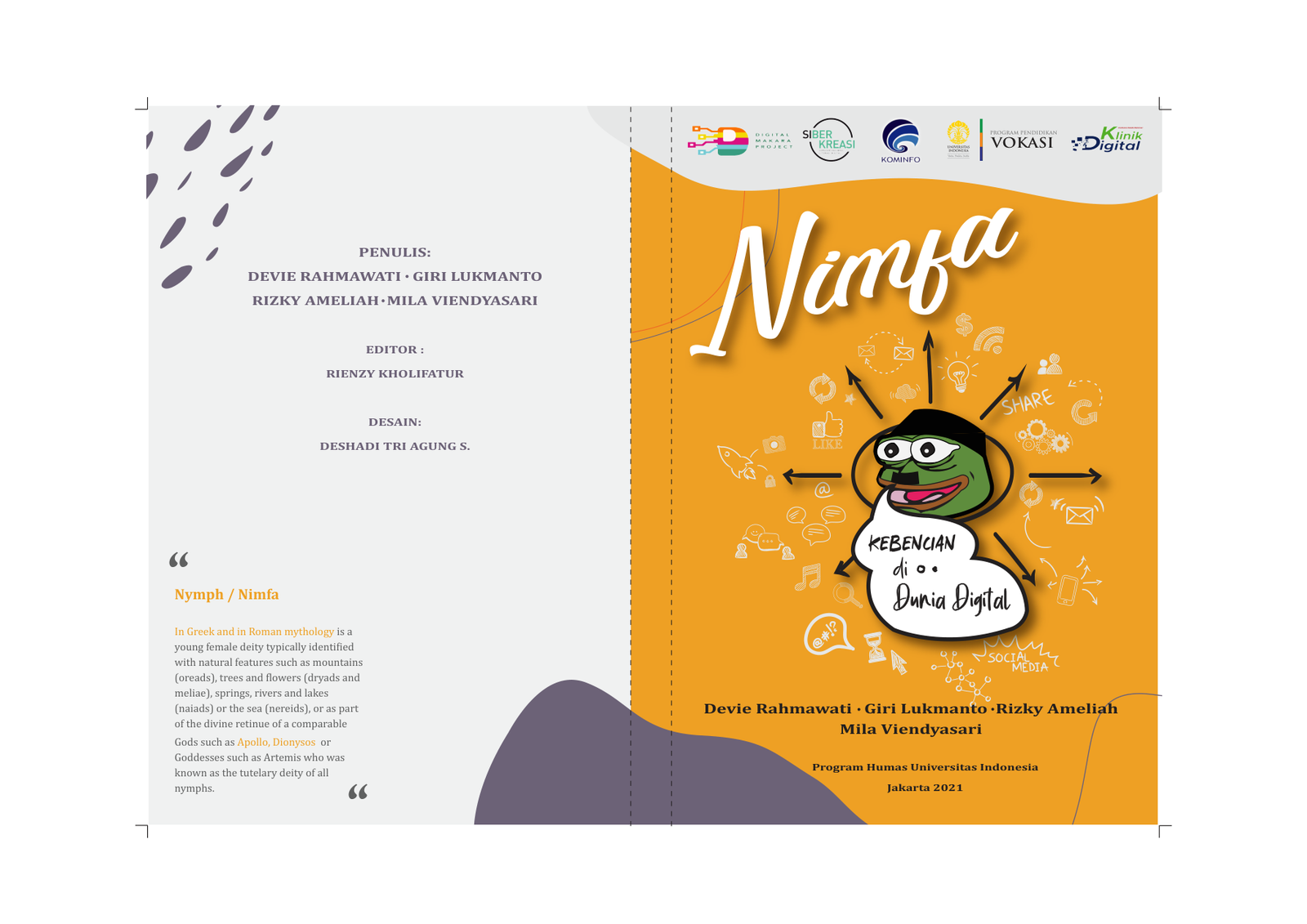
Core Research Monographs, Nimfa Comics & Strategy Books
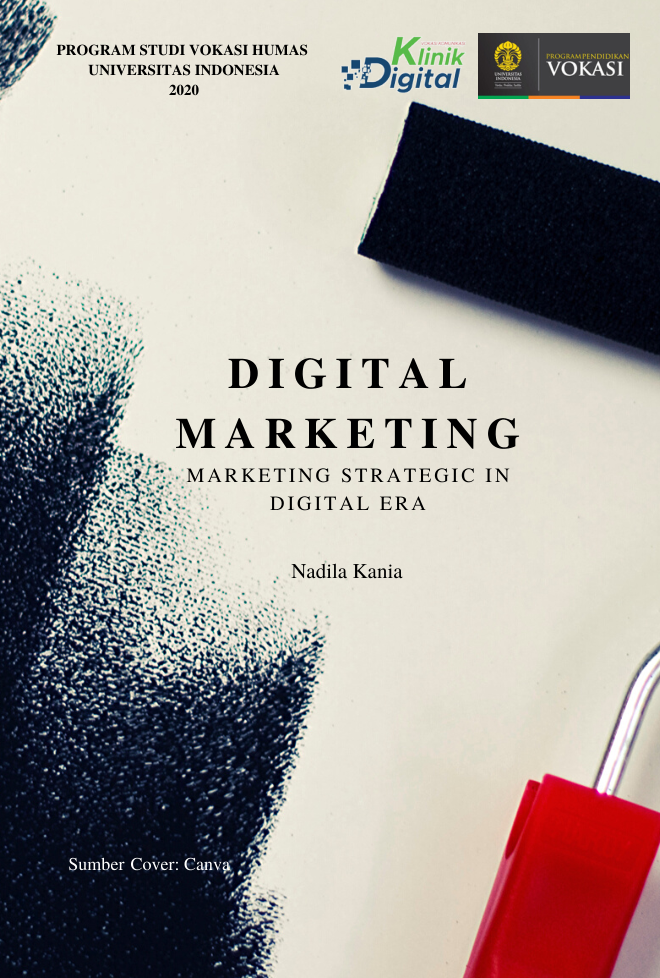
Foundational academic books, the Nimfa Child Detective educational comic series, digital tourism research, and national pandemic creative industry studies.
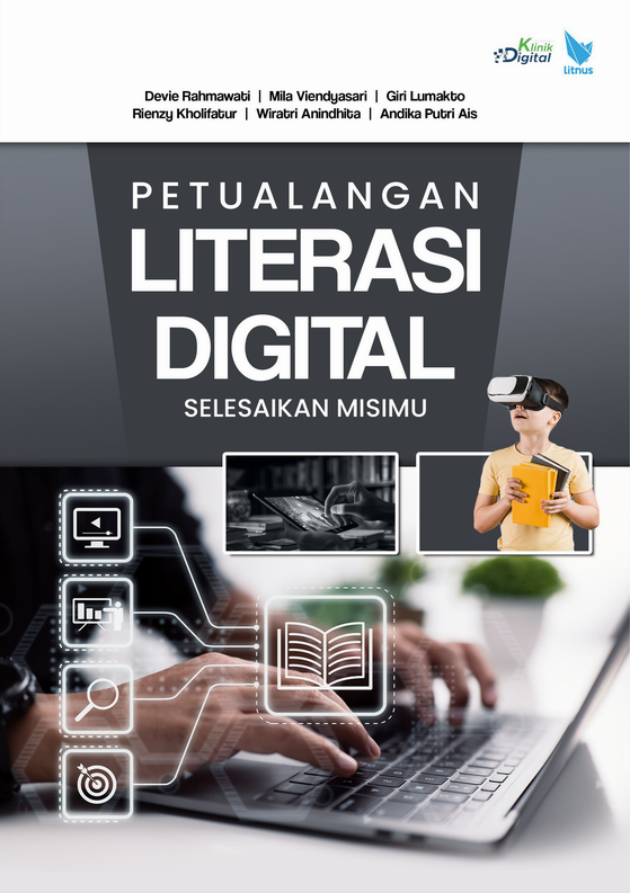
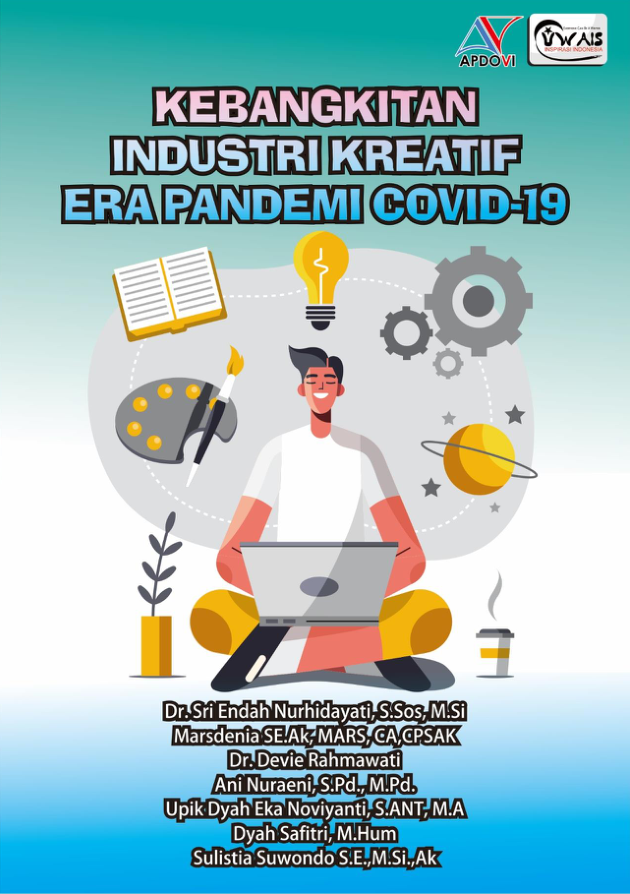
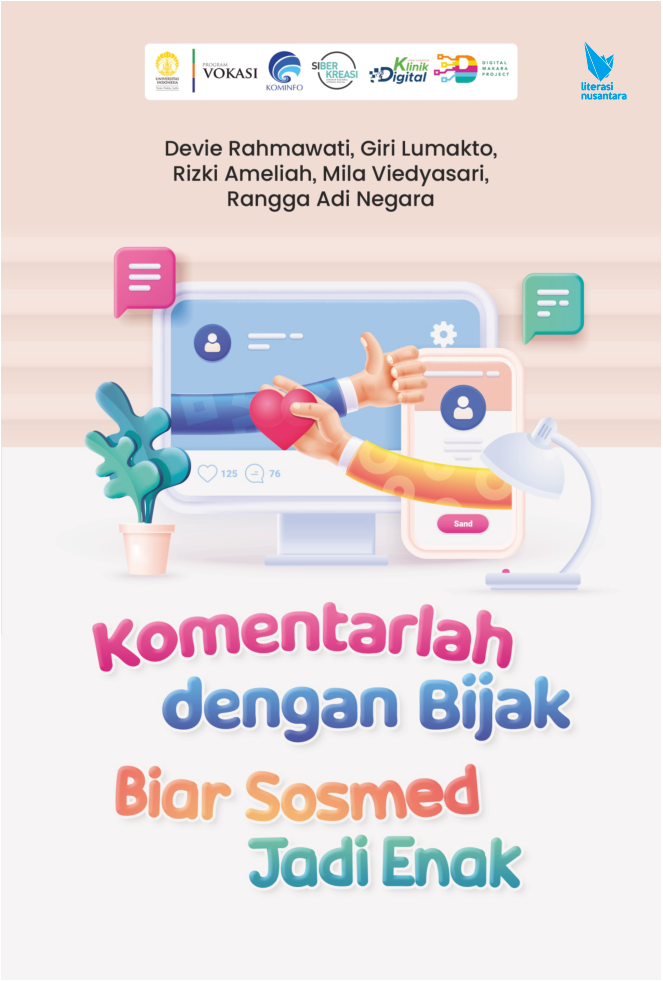
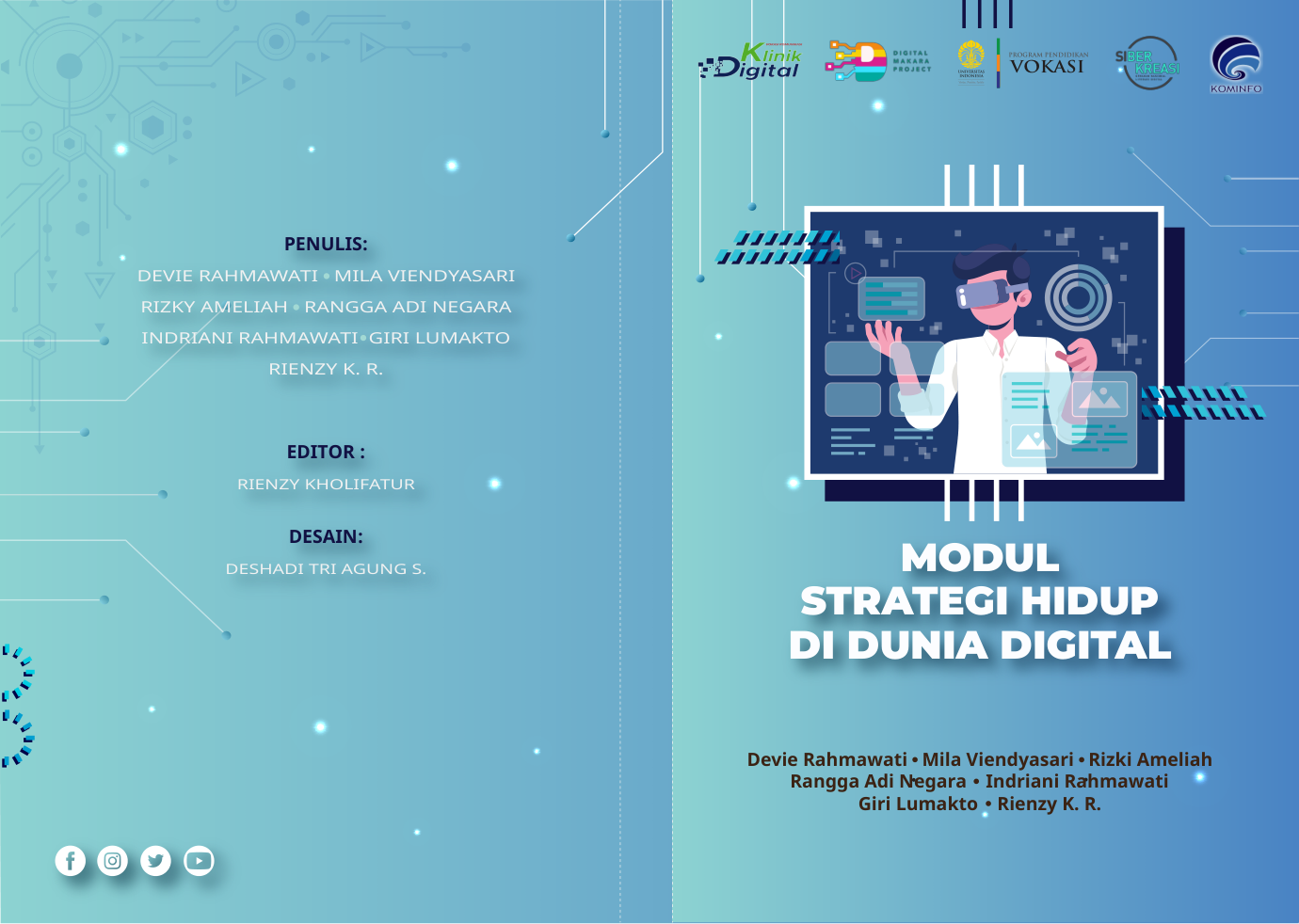
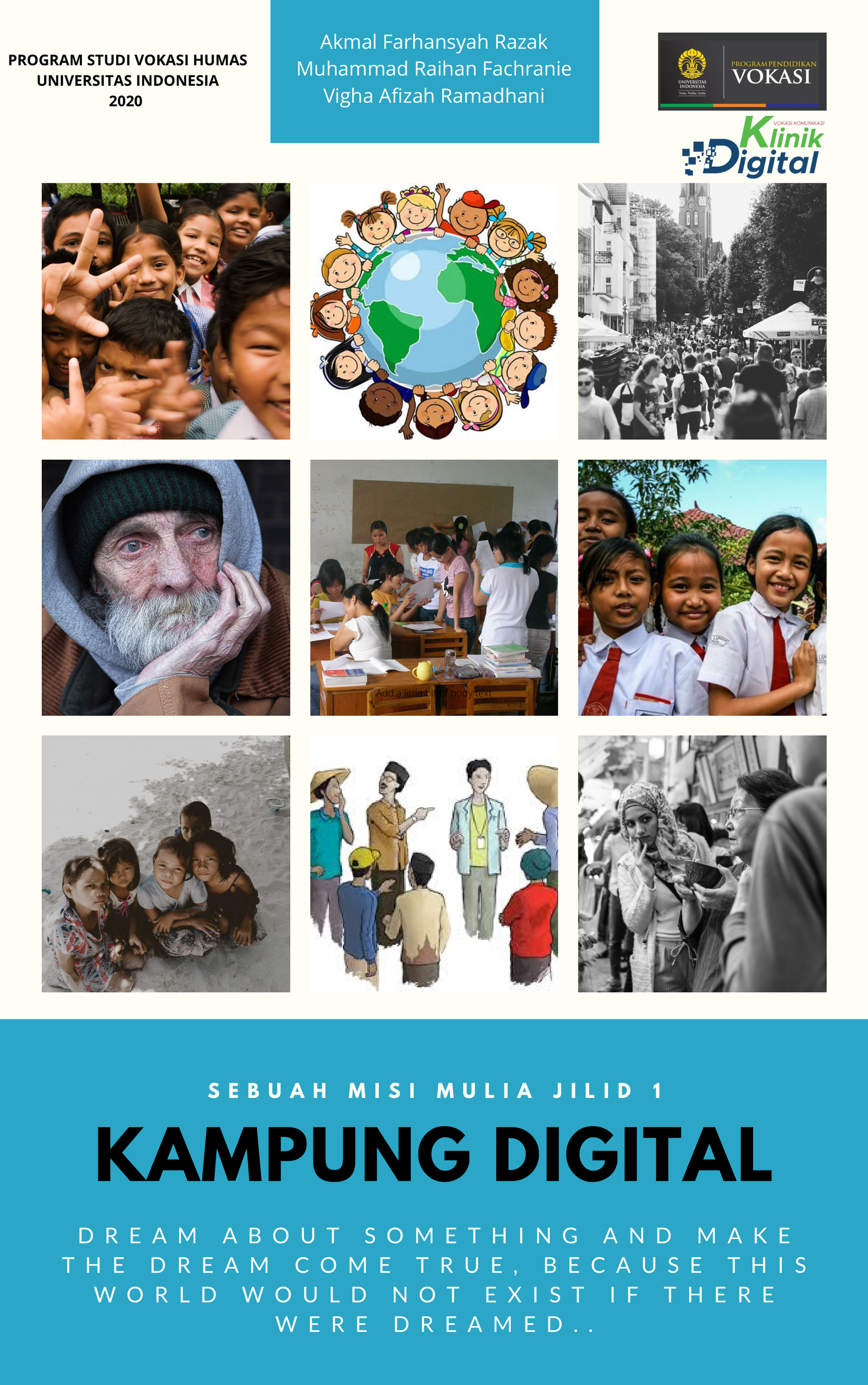
Community Action & Student Creative Works (Kampung Digital)
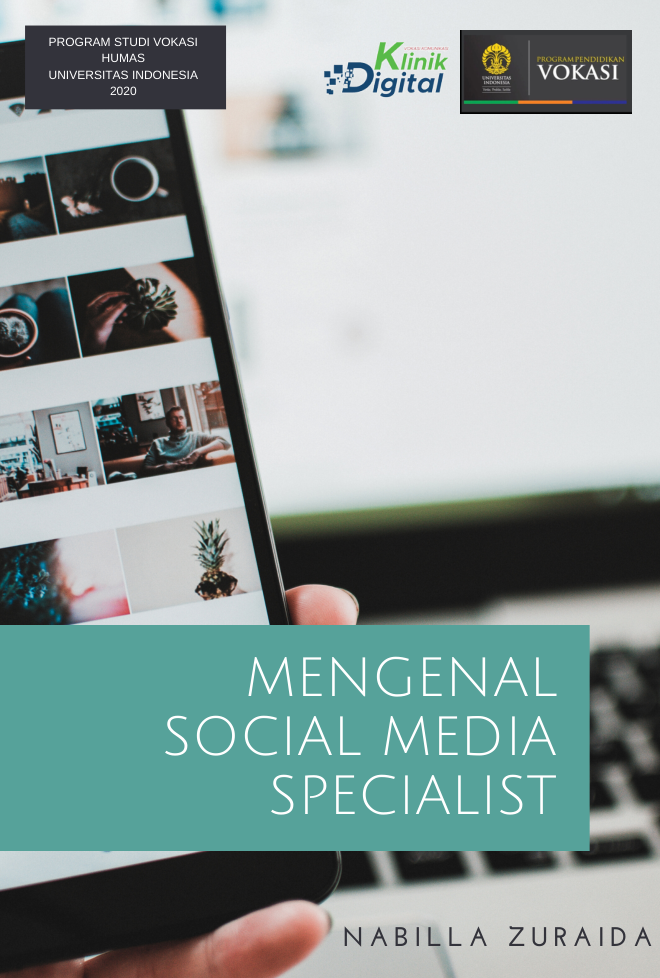
Extensive monographs, branding handbooks, social media specialist guides, and community service reports produced by communication scholars and student creators.





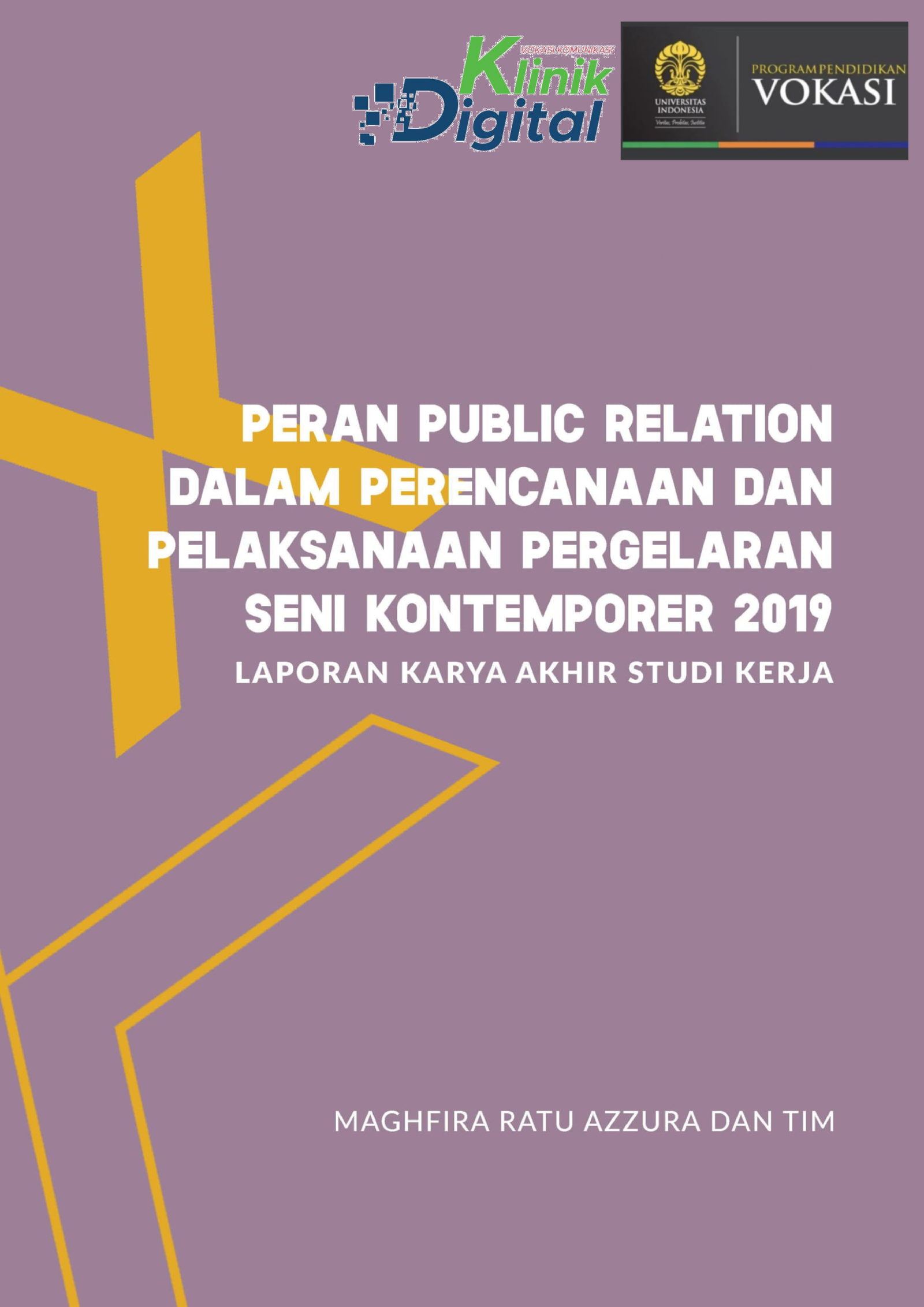
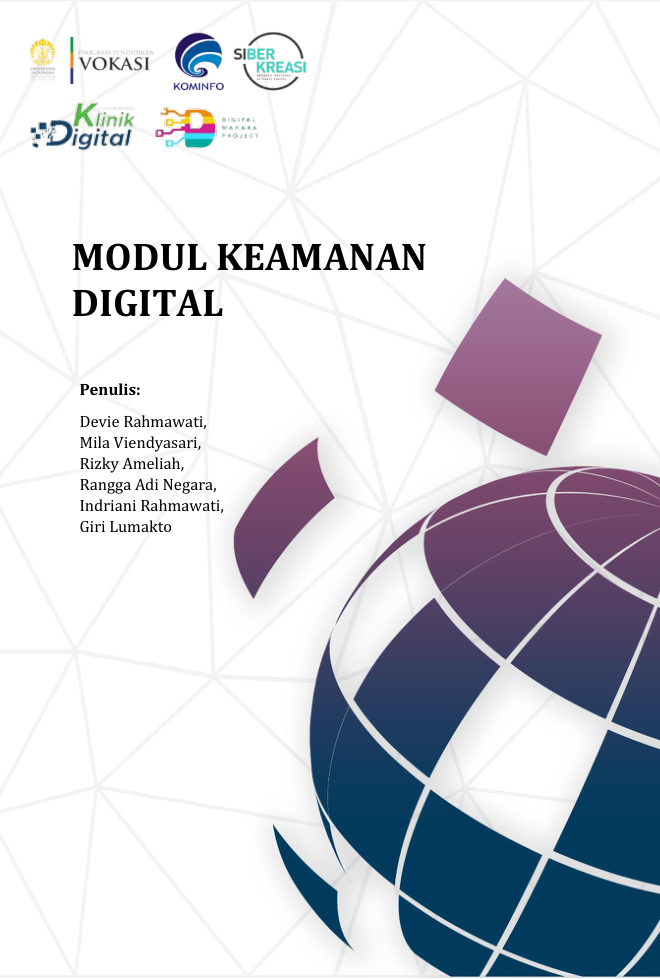
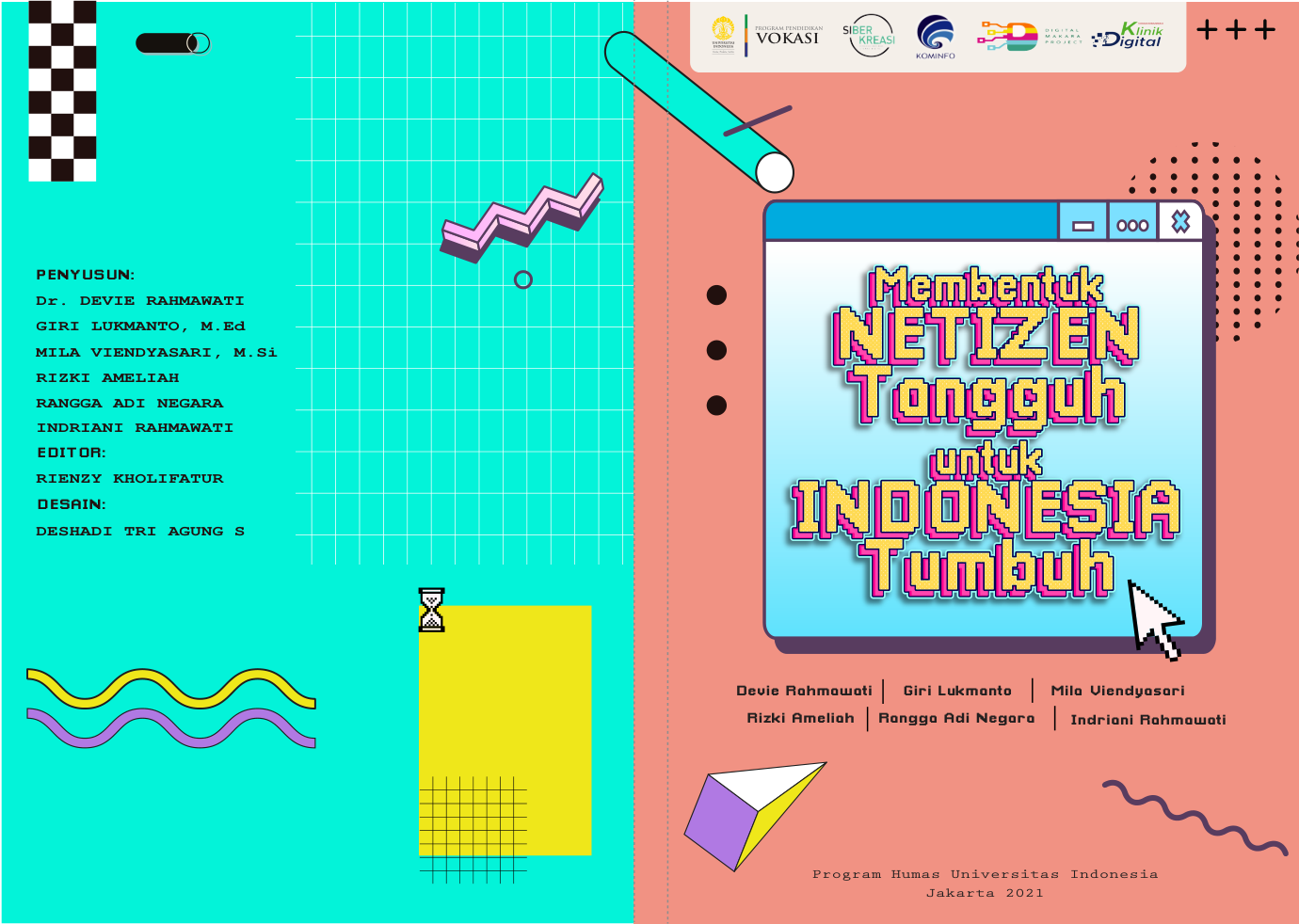
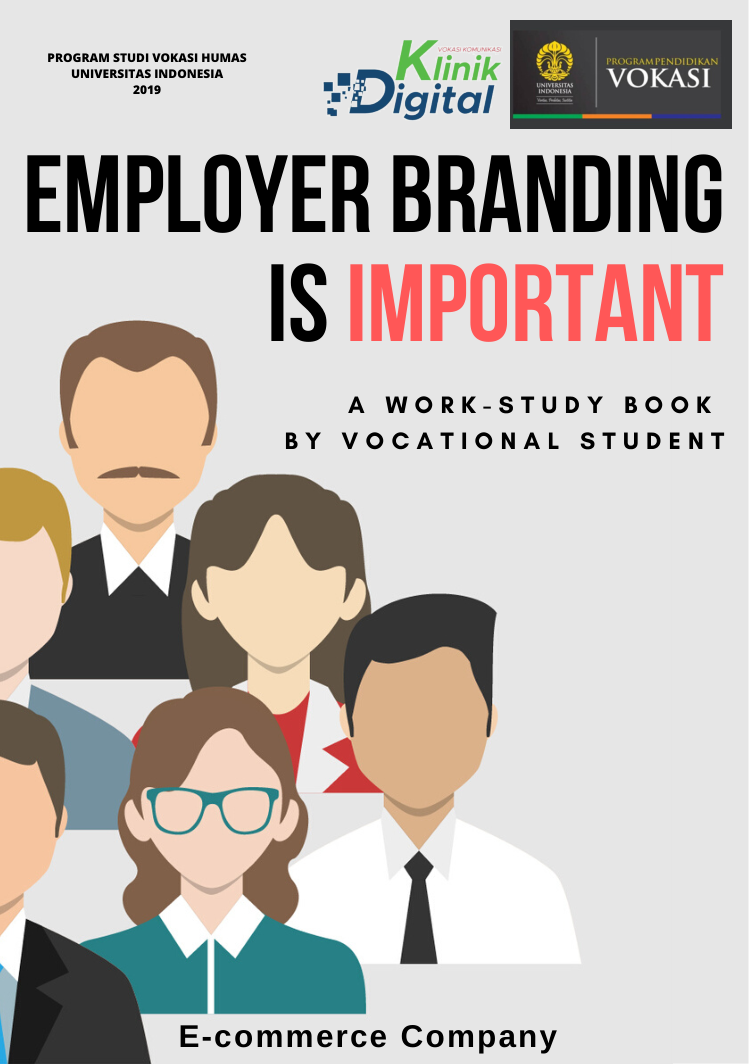

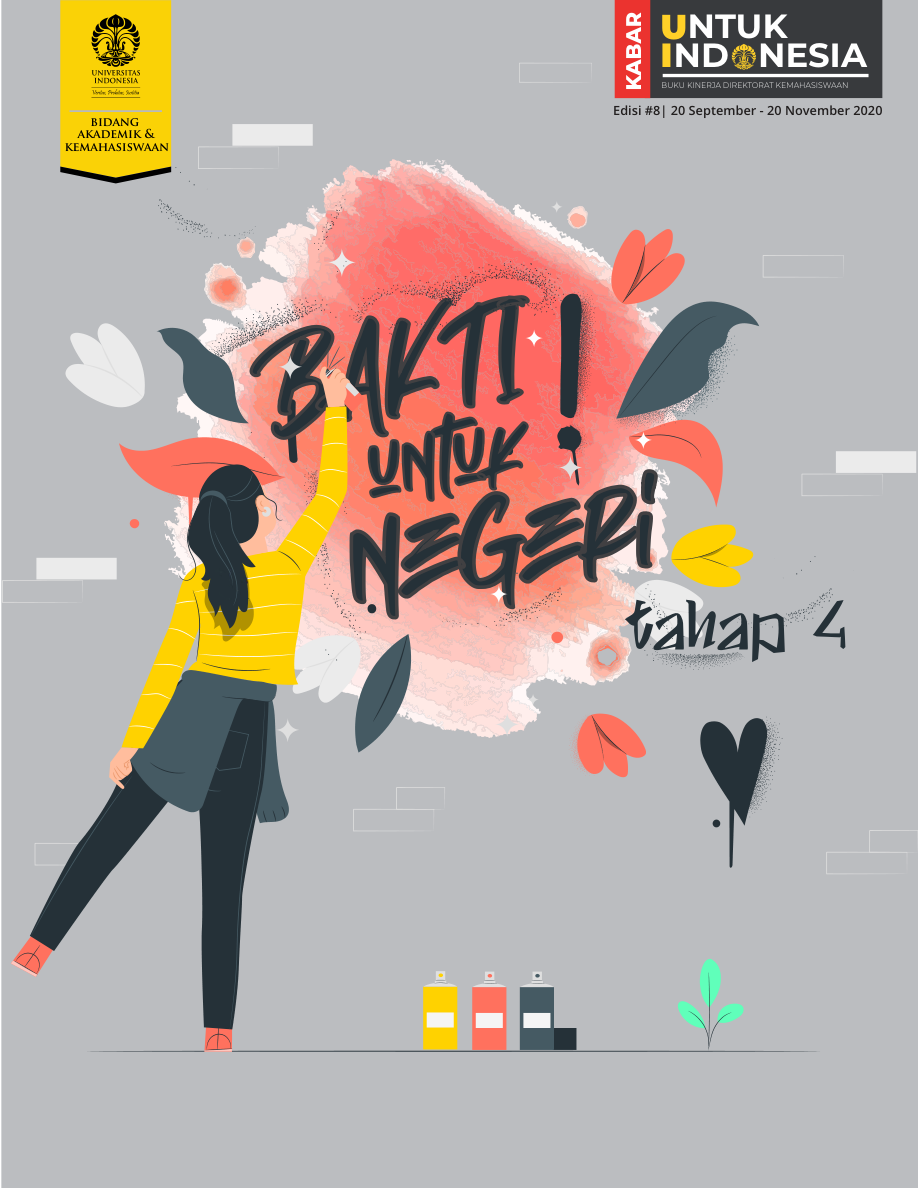
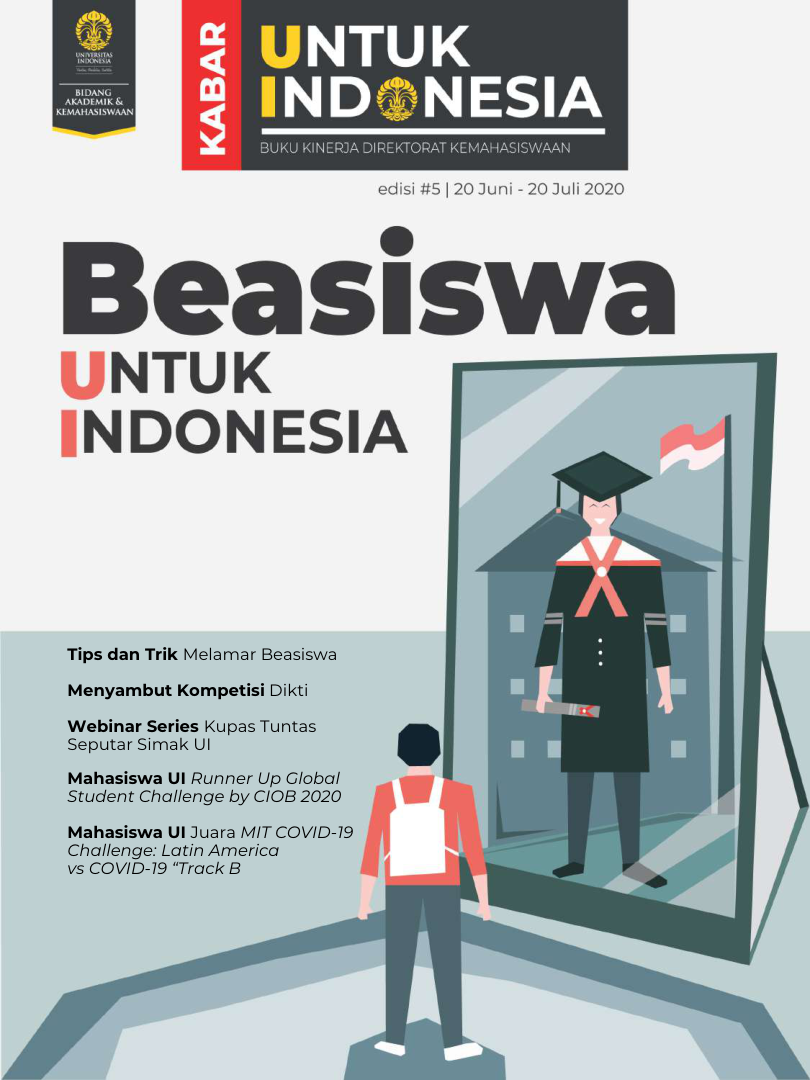
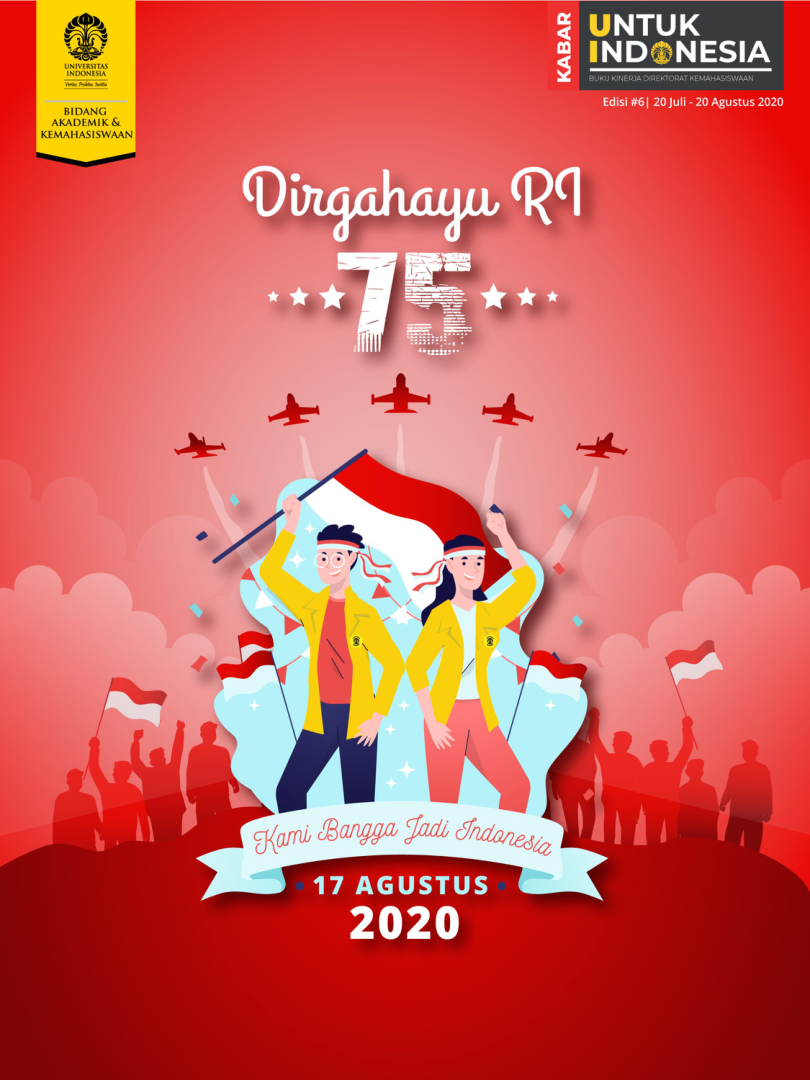
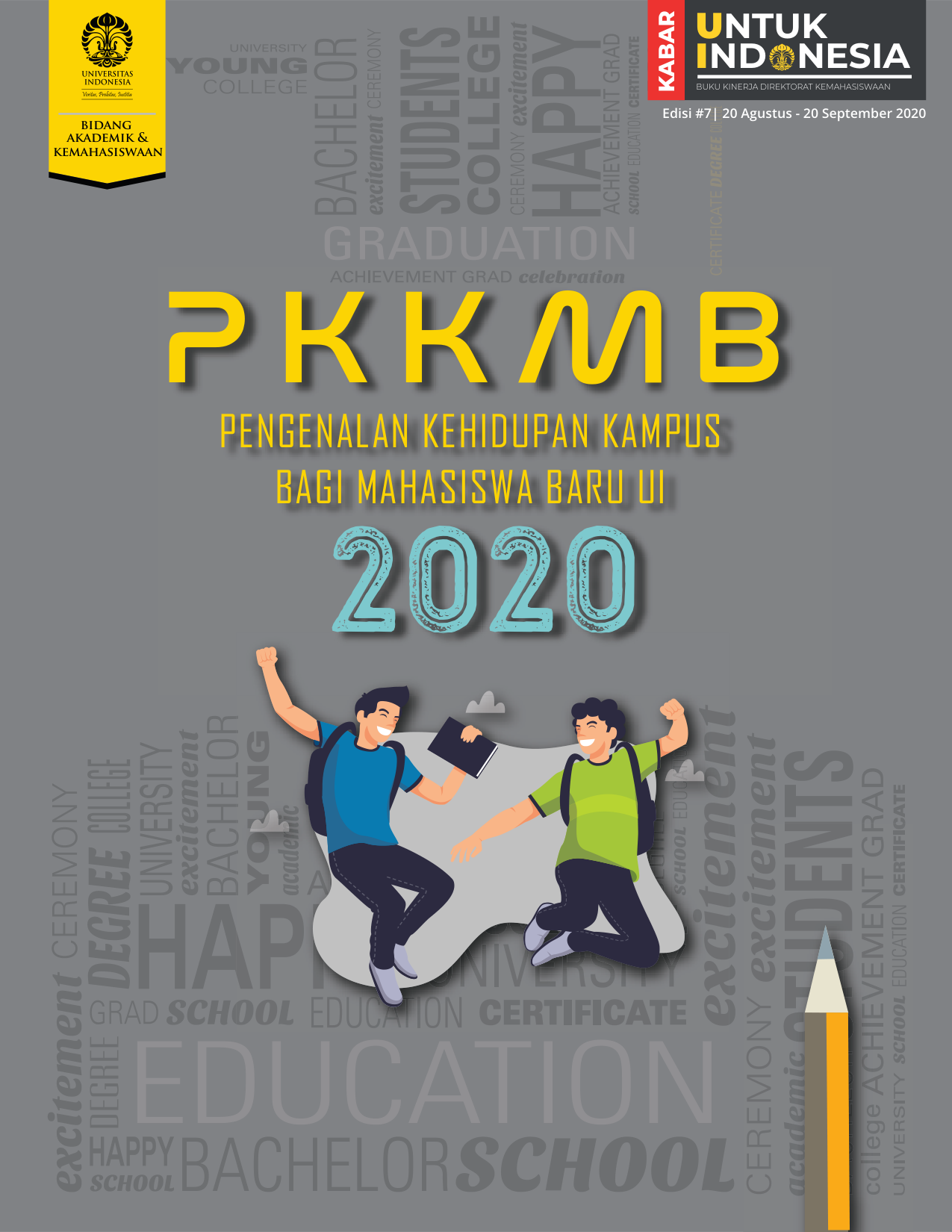
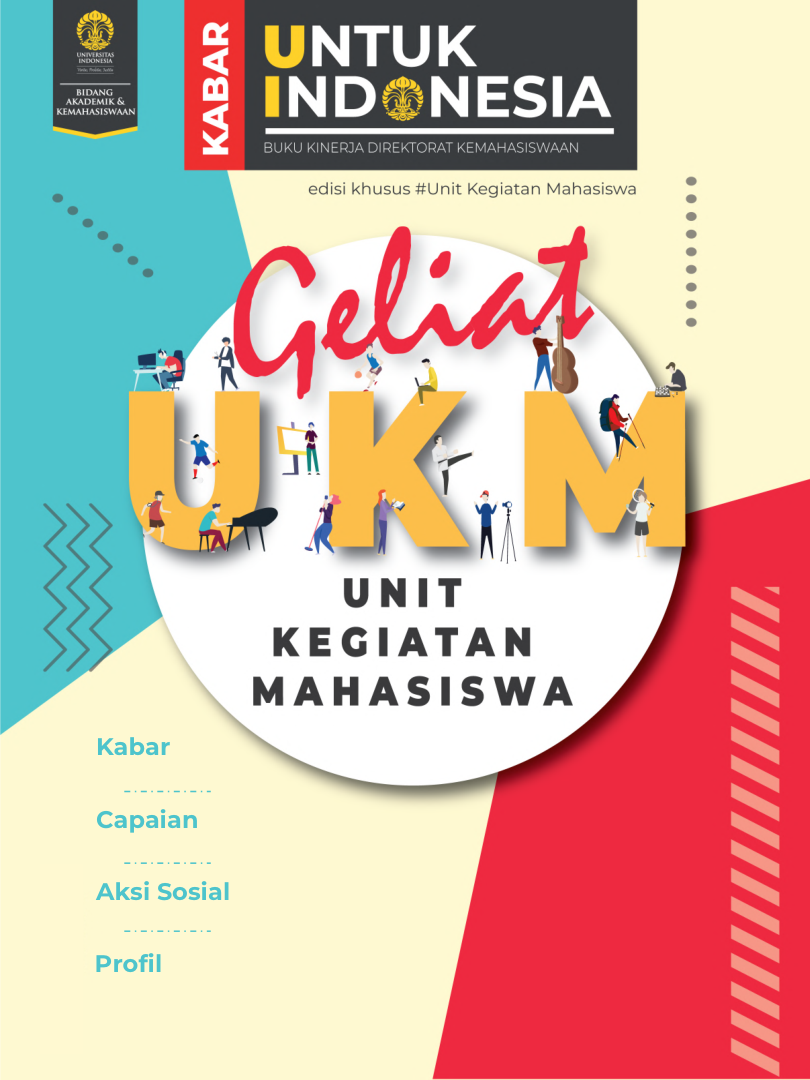
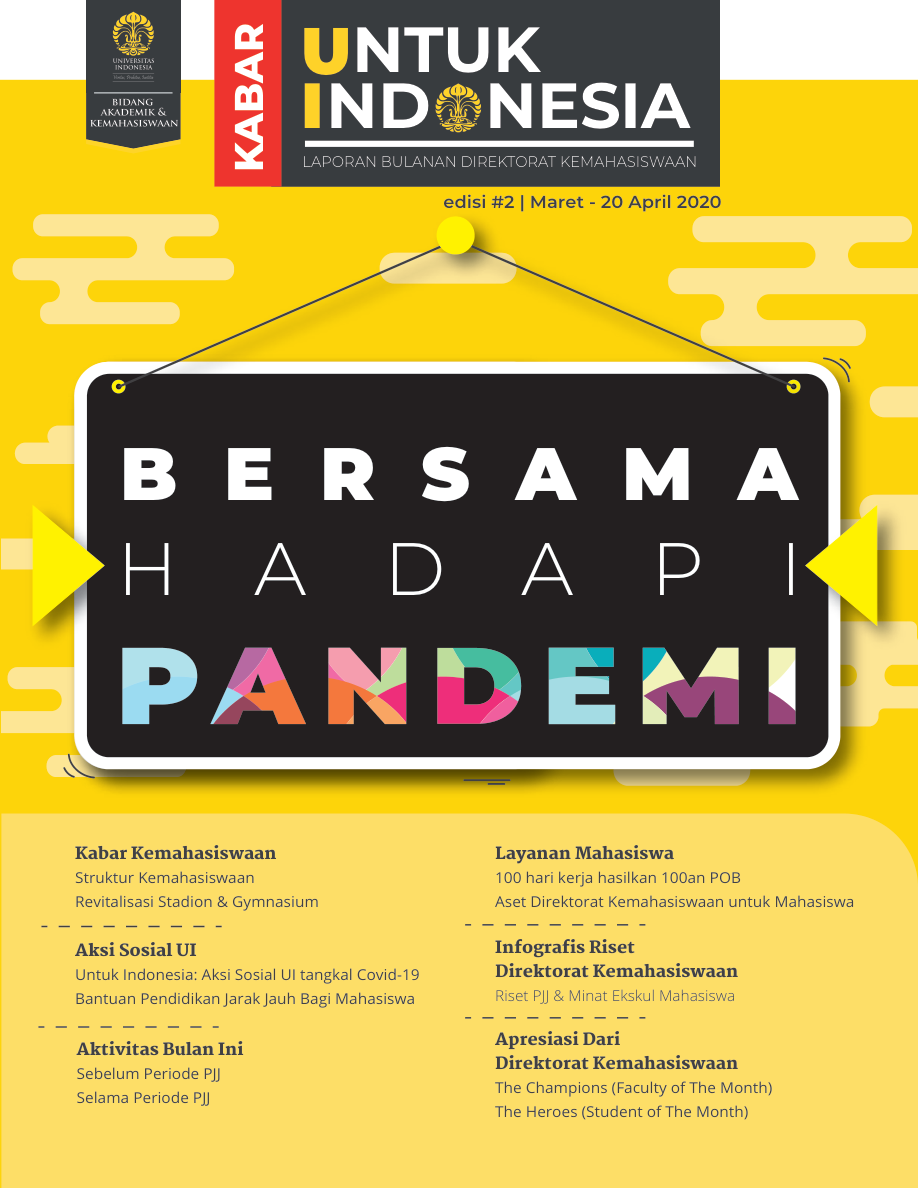
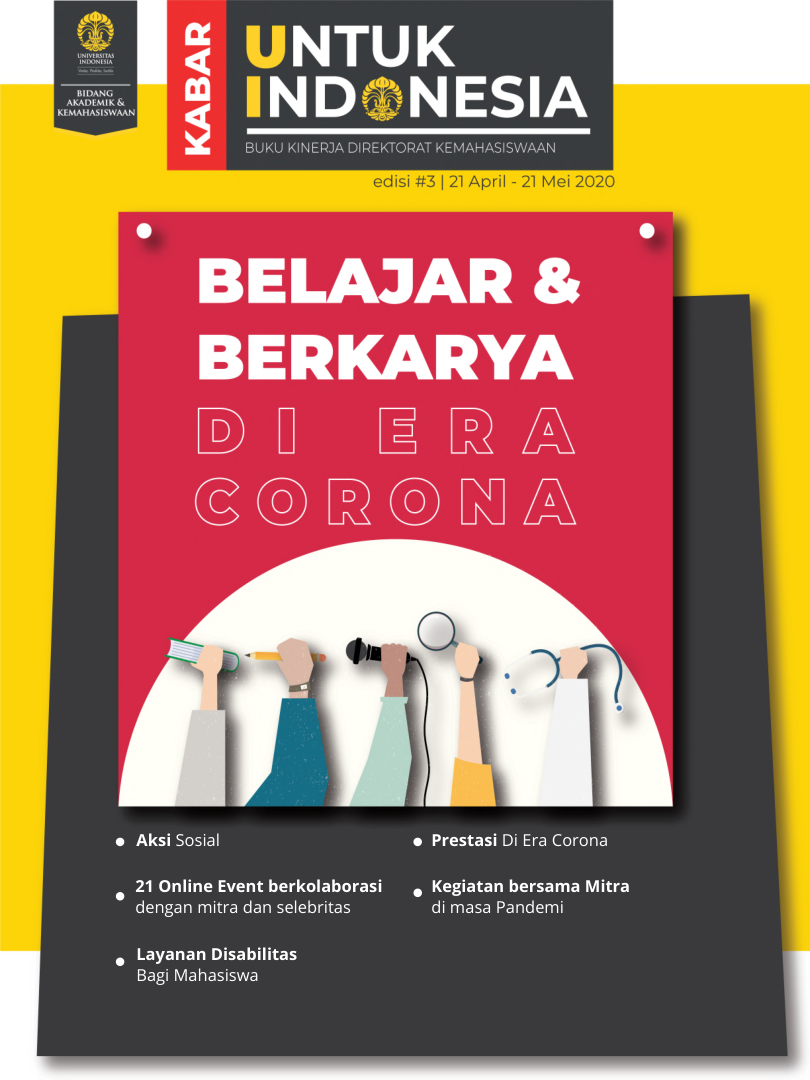
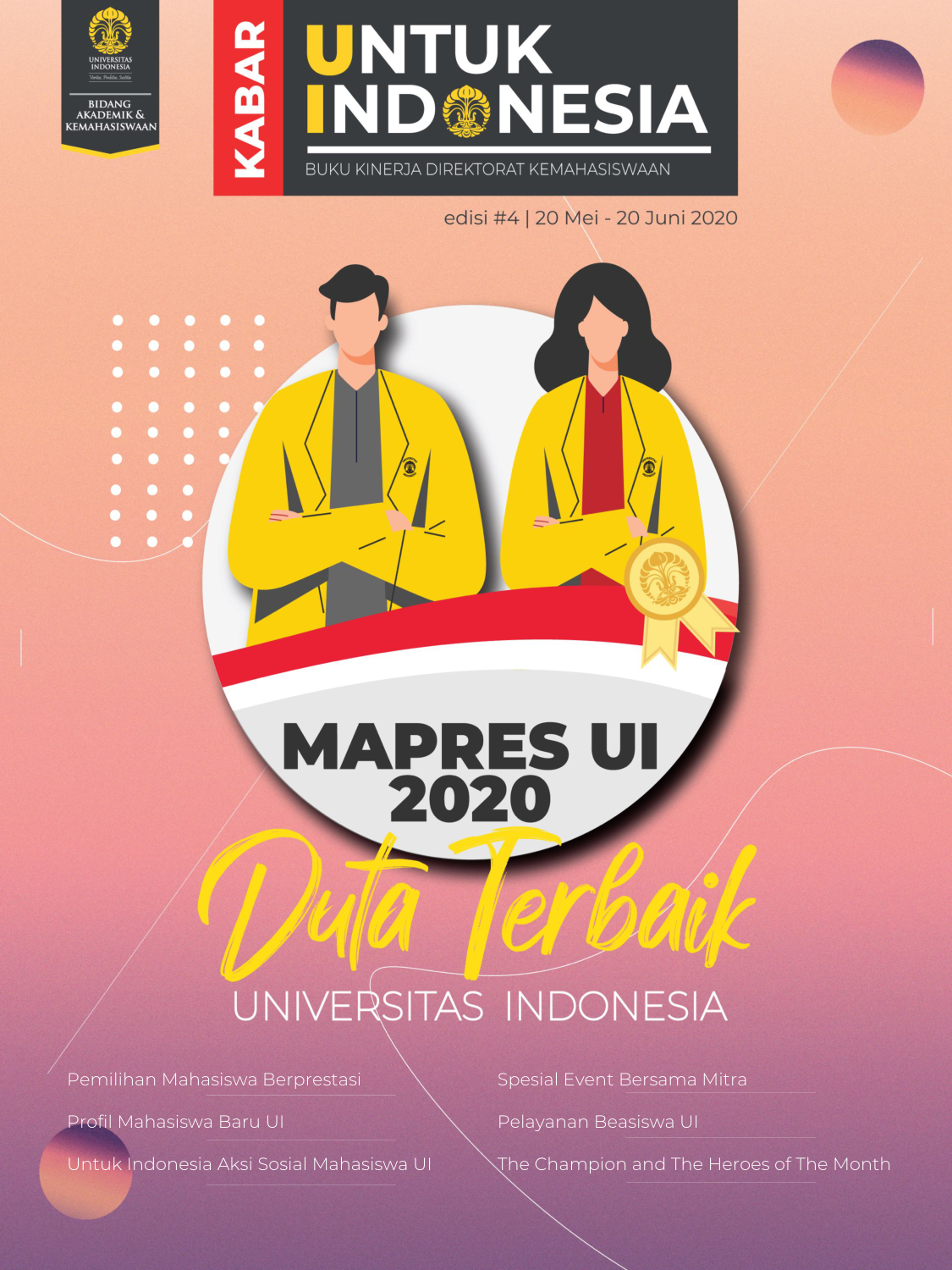
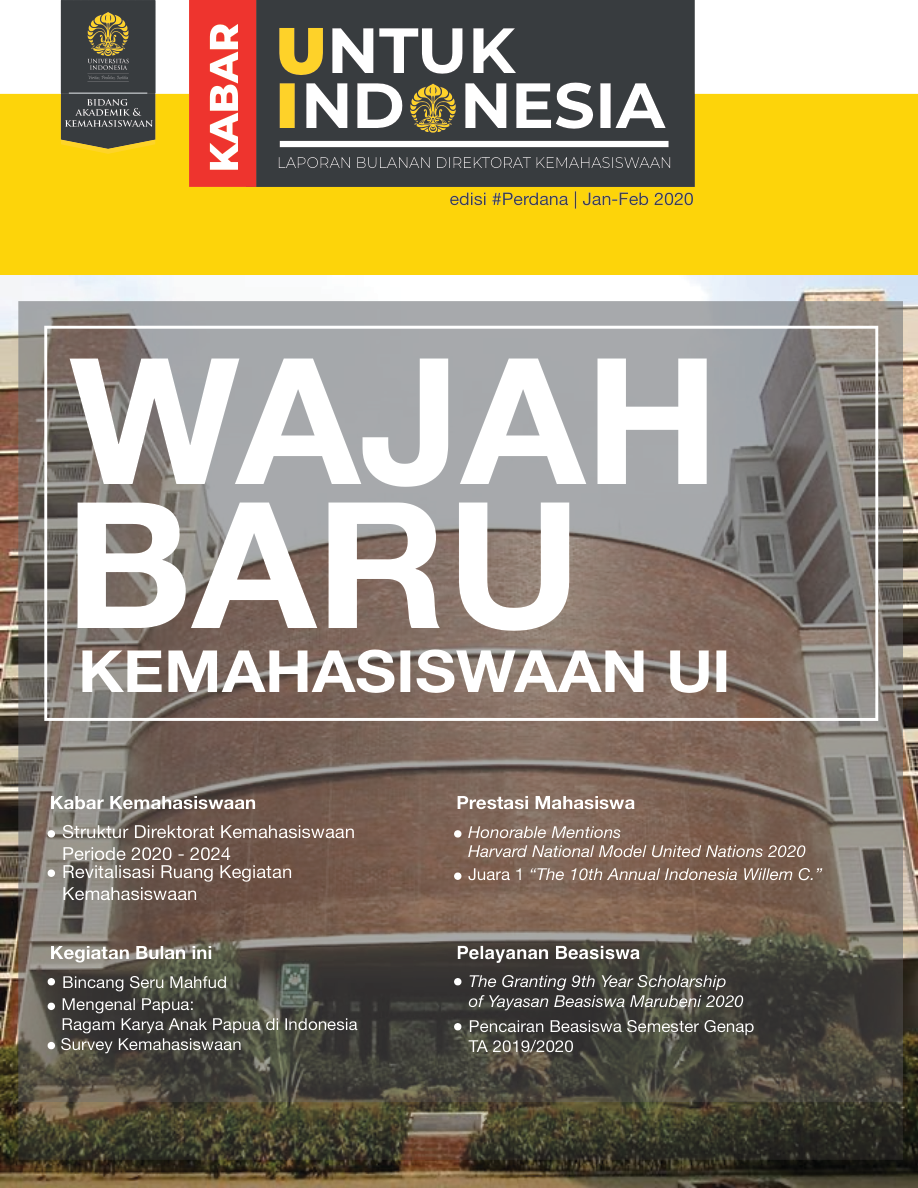
E-Newsletter Series: Kabar Untuk Indonesia (Ditmawa UI)
Eight seasonal releases and special editions archiving student innovation, community programs, and national service initiatives during the pandemic era.
The Digital Society Model™
The Digital Society Model developed by Klinik Digital provides a structured framework for organizations, communities, and governments seeking to navigate digital transformation responsibly.
Rather than measuring digital maturity through technology adoption alone, the model evaluates five interdependent dimensions:
Initiatives That Evolve with Societal Needs
Klinik Digital does not operate as a conventional project-based organization that closes its files when a contract ends. Our initiatives are designed as long-term commitments to society:
Supporting nation-wide digital capability building across all 38 provinces in Indonesia.
Bridging advanced AI research with public education and responsible governance policies.
Adapting critical digital privacy, fraud prevention, and security handbooks into 10 regional dialects.
Build With Our Ecosystem
Whether you need open educational modules, evidence-based research, or strategic advisory for your institution — Klinik Digital is ready to collaborate.